
What’s in Season in the Dead of Winter?
Opening: The greens that just can’t make it to Thursday
You want to eat healthier, have more fresh produce, cook with seasonal ingredients. You go to the grocery store, read the labels, look at where the food comes from, choose local and fresh. You can already see two quick dinners: something warm, a simple side, fewer decisions for the week.
By mid-week, the greens are limp. Then they turn slick. You scrape them into the bin, annoyed because you (rightfully so) expected them to at least last long enough for a few nourishing meals.
“In Canada, 46.5% of all food gets wasted”
Now you still need to figure out dinner, and what to pack for lunch, and you've also lost money and effort in what feels like a hopeless spiral.
This post will explain what "in season" actually means in winter when "fresh" doesn't always last, and why this keeps happening.
Why winter shopping turns into waste so easily
After a week like that, it's easy to bargain with yourself: next week I'll plan better. Next week I'll store things right. I’ll try that TikTok hack so I don’t waste more time!…
“Almost half of americans would give up social media forever if it meant never having to plan dinner again.”
With rising grocery prices, tossing away food hits harder. Zoom out past one bag of greens and the numbers are blunt:
In Canada, 46.5% of all food gets wasted, with an estimated value of $58B. [Second Harvest]
Canada's Food Price Report 2025 forecasts the average spend for a family of four at $16,833.67 for the year, up to $801.56 more than last year. [Dalhousie Food Price Report]
And this isn't just stores or restaurants.
UNEP estimates that 60% of food waste happens at the household level. [UNEP press release]
It lands in home kitchens, on tired evenings, in fridges that get opened reluctantly and closed in disappointment, and in meal plans that either don't survive the week or defeat their purpose.
What "in season" can mean in winter
In North America, a typical grocery store offers everything, (from) everywhere, all at once, which kind of makes it hard to tell what's actually winter food and what's just available because the system is conveniently set up for global transport.
USDA’s seasonal produce guide defines seasonal eating to include fresh, frozen, canned, and dried produce. [USDA SNAP-Ed]
This expands winter in a practical way and (surprisingly) aligns with most traditional practices for winter sustenance. Preserving foods when they’re at their peak nutrition and flavour to later consume during months of scarcity has been common practice for millennia. Natural and traditional preservation techniques not only make produce last longer but make it easier to digest and can even increase the bioavailability of its nutritional content.
It also helps with the daily decision problem.
In a survey reported through Business Wire, deciding what to eat shows up as a major mealtime challenge. It's one data point, but it matches what a lot of people say. Apparently, ”Almost Half of Americans Would Give Up Social Media Forever If It Meant Never Having to Plan Dinner Again.” [Business Wire]
People are cooking more, too.
An analysis of American Time Use Survey data shows cooking participation increased from 2003 to 2023 for men (36% to 52%) and for women (69% to 72%). [PMC home cooking trend]
So, if winter feels heavier in your head than it looks on paper, you're not imagining it. And the challenge is not for lack of skill or confidence but of a simple system that can make meal decisions effortless.
Seasonal Meal Planning
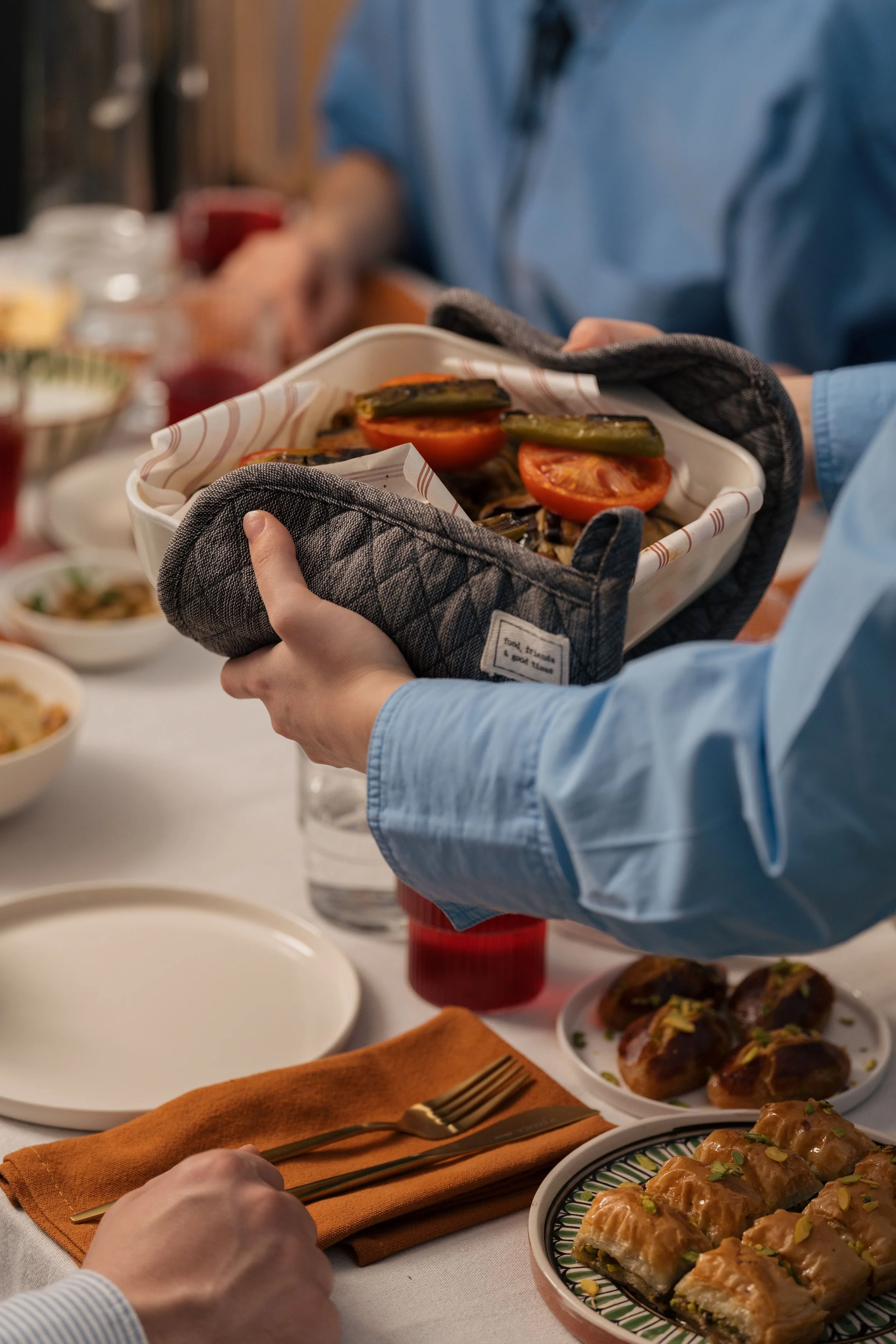
All deep-rooted traditional cuisines leverage seasonal produce to decide on the main dish, then support it by fermented, salted, dried, or cured preserves. Although it comes with a bit of practice, traditional home cooks develop a thorough understanding of what is in season each month, and they mix-and-match different main dishes with different sides without ever repeating a menu in the same season (unless it was so good that they what to have it again). Turkish and Anatolian cuisine is exactly the same.
In our humble household, we preserve summer produce at its peak via pickling, fermenting, drying, or freezing for winter. Then, come winter, the hearty roots and thick leaved winter veggies take center stage:
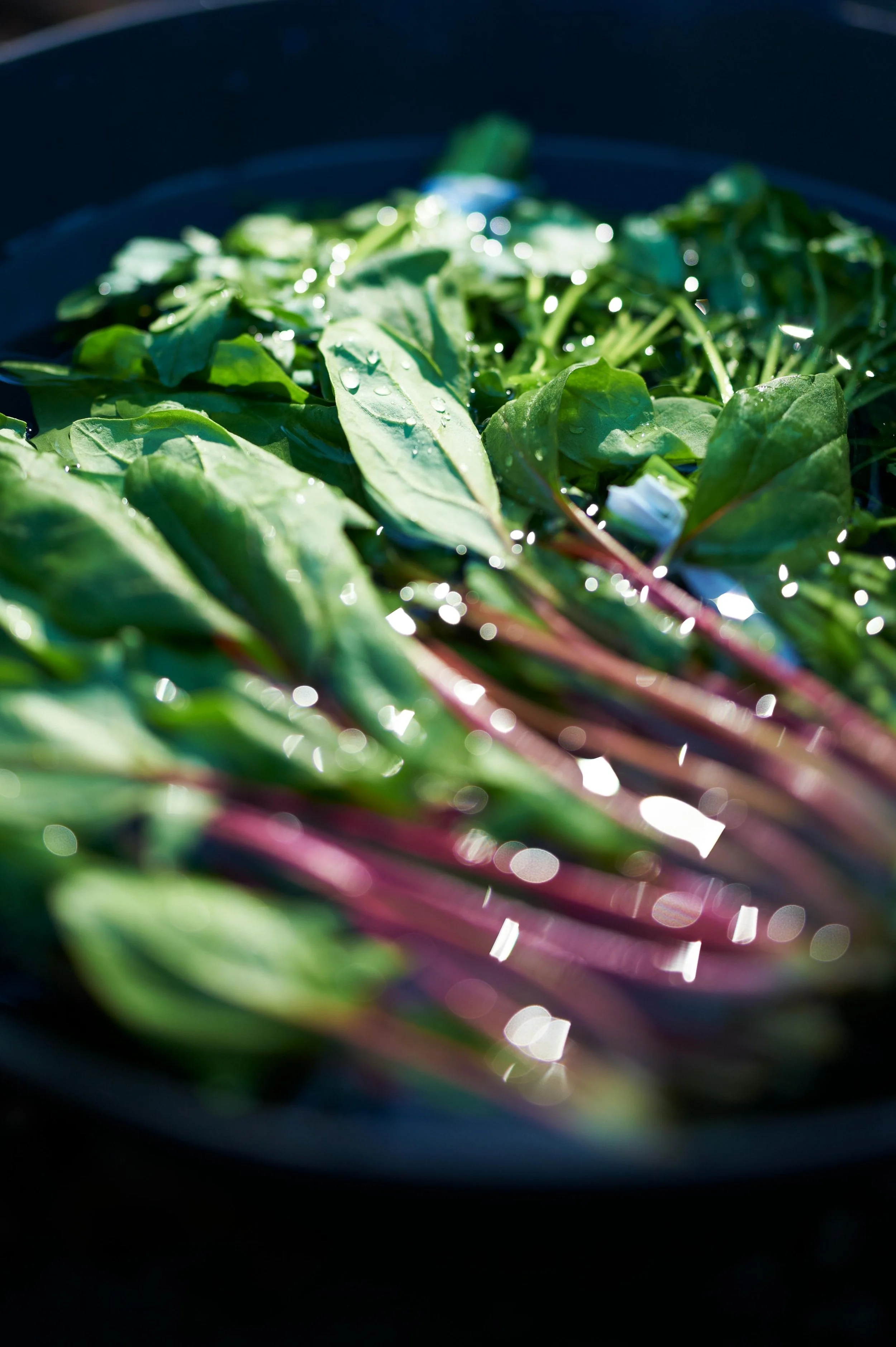
Winter greens (e.g. Cabbage, Spinach, Collard Greens, Swiss Chard)
Hearty roots (e.g. Celery Root, Beets, Parsley Root, Parsnips, Carrots, Potatoes, Sunroot)
Winter onions & garlic (yes, these are roots, but they deserve a category all to themselves. At least in Turkish cuisine)
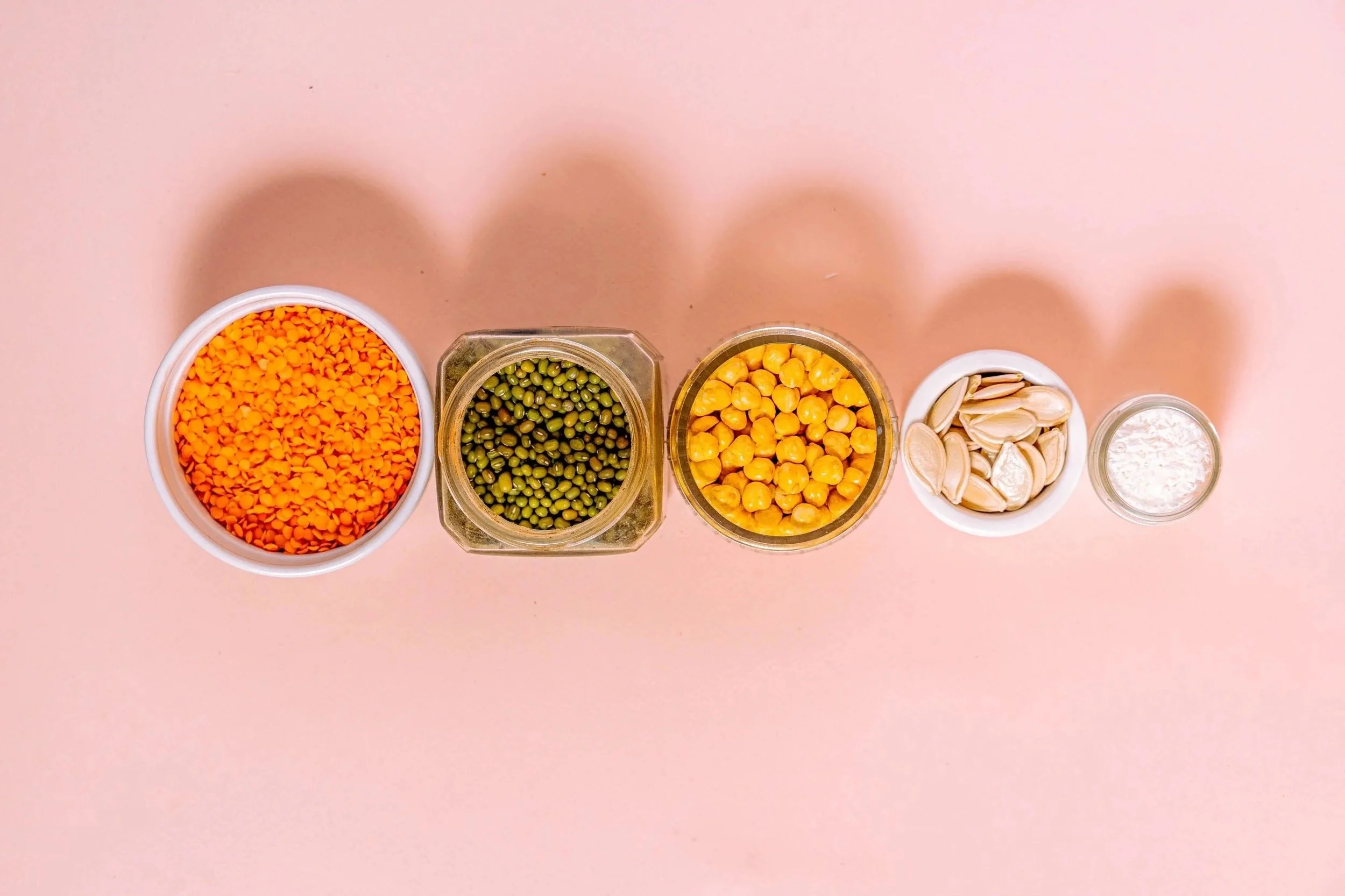
Since plain leaves and starchy roots don’t really cut it in freezing weather, we supplement them with dried legumes, grains, sour yoğurt, meats, pickled vegetables, and concentrates.
We try to make as much of our storage ourselves to know exactly how they were made and what’s in there.
The hidden cost of winter "fresh" and at-home food spoilage
“Yeah, but how do I keep fresh produce fresh until I can eat it?”
A lot happens to winter produce before it hits your cart: storage, transport, refrigeration, cold rooms. Even winter produce is refrigerated (or otherwise treated) to minimize spoilage across the whole supply chain, until the food reaches you. [ScienceDirect cold chain]
In one peer-reviewed cold supply chain paper, cooling and freezingaccount for about 30% of electricity consumption in the food sector. [ScienceDirect cold chain]
A Canadian evidence review cites estimates that refrigeration accounts for about 20% of global electricity consumption and about 7.8% of global GHG (greenhouse gas) emissions. [NCCEH]
You don't see any of that at the produce wall. You see food that looks crisp under bright lights and automated misting. Then you come home to find that lush greenery has softened on the ride home, wilted further by the time you put it in your fridge, and turned into smelly slime within 3 days.
“UNEP estimates that 60% of food waste
happens at the household level.”
This usually happens when;
(1) produce was cooled significantly to keep longer and your fridge temperature (though normal) is too warm for it
(2) your fridge is too cold and it’s freezing parts of the produce (typically with older fridges, and where produce is too close to the inner walls)
(3) there was excess moisture in the storage vessel (usually thin plastic bags are the culprit. Try wrapping produce with a damp cloth, then within/without a plastic bag for storing in the fridge)
(4) not enough moisture (happens when leafy produce is placed ‘naked’ into the fridge) such that the fridge’s internal air circulation system dries out the plant (which is still alive and breathing out water vapour)
If you know a thing or two about gardening, you’ll be able to differentiate between leaves and roots that are actually fresh from those that are made to look fresh until they sell. Unfortunately, the difference is subtle and hard to describe without an in-person demonstration, but there’re a few simple things you can look for…
Some rules of thumb for choosing fresh winter produce:
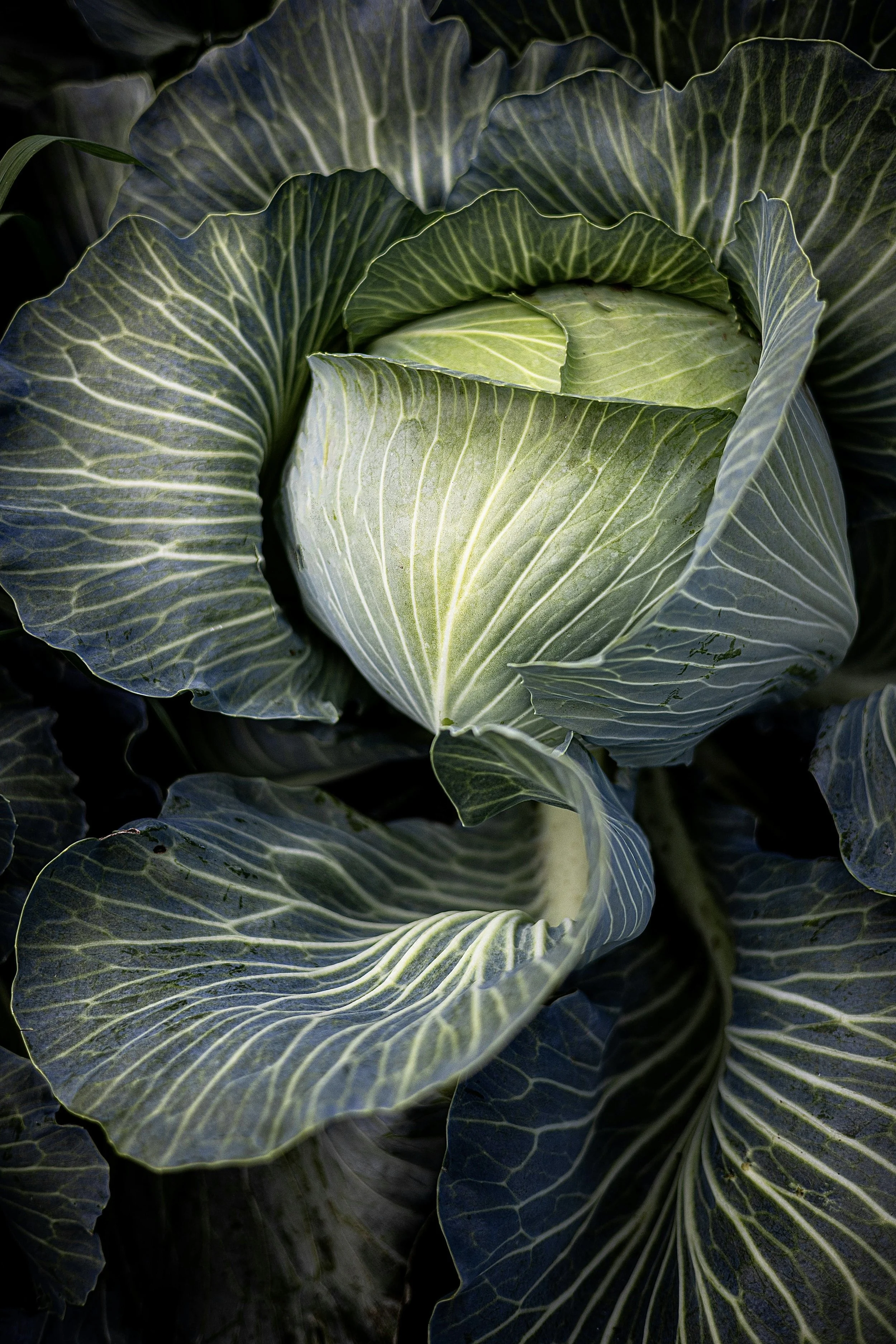
For winter greens, look for any slight yellowing or signs of folding/wrinkles along the edges of hard leaves. Wrinkles indicate dehydration, which means they were held in storage for a long time, or spent significant periods in cold, then warm, then cold again conditions which tends to quicken spoilage.
For hardy roots, look for surface wrinkles (just like with greens) or bruises (visible or in texture). Bruises indicate damaged cell walls which help protect plants from most bacteria and fungi. Healthy cell walls significantly delay spoilage, but when cell walls are damaged, nutritious cell contents spill out and create a feast for microbes, even if the outer shell/peel of the root is visibly unharmed. Cuts (so long as they’re not too deep) aren’t usually worth worrying over since they tend to callous quickly, leveraging plants’ natural defense mechanisms against pests and disease. It’s bruises and dehydration you want to avoid as best you can.
However, I want to emphasize that if you know you’ll cook a produce within a day or two, it’s really not crucial to pick the best of the best. Unless it is wilting on the shelf, it’ll last at least a day for you to process it at home.
“Think of how much food would be wasted if everyone only bought perfect produce regardless of what they need it for, or how long they really need it to last.”
Choose accordingly. Choose wisely. Please use this knowledge responsibly.
Interesting facts and statistics:
Myth: Frozen vegetables are nutritionally inferior to fresh
It's a reasonable assumption. "Fresh" gets marketed as superior, and freezing sounds like a downgrade.
However, a vitamin retention study found frozen fruits and vegetables were nutritionally comparable to (and sometimes higher in vitamins than) fresh counterparts, though beta-carotene decreased in some commodities. [PubMed]
Another study compared fresh, frozen, and "fresh-stored" produce after five days in refrigeration, which matches how most households actually eat produce after shopping, and found that frozen can count as a serious winter option without any apology. [ScienceDirect nutrient study] [PubMed]
Food miles:
When people start caring about impact, it's natural to reach for a rule-of-thumb you can carry easily in your head. "Food miles" is the one most people hear first. The numbers make that rule hard to use on its own though.
In a model by Weber & Matthews, transportation is about 11% of life-cycle food GHG emissions, and final delivery from producer to retail is about 4% for the US diet footprint they modelled. [ACS]
So, transport matters, but it isn't the whole story.
Cost of refrigeration:
Cooling and freezing account for about 30% of electricity consumption in the food sector, according to one cold supply chain paper. [ScienceDirect cold chain]
A Canadian evidence review cites estimates that refrigeration accounts for about 20% of global electricity consumption and about 7.8% of global GHG emissions. [NCCEH]
UNEP estimates that 60% of food waste happens at the household level, globally. [UNEP press release]
Closing: Winter is harder to navigate now
When national and global numbers show food waste at this scale, struggling with spoilage and planning isn't so much a personal shortcoming but a structural problem. Seasonal winter eating can be defined in a way that matches real life: fresh plus preserved forms, with fewer rules and less second-guessing. [USDA SNAP-Ed]
If you like this article let us know in the comments below. We want to help, but we can’t always tell exactly what you what to know. Feedback is our greatest resource, and we genuinely appreciate it.
You can read more articles like this within Fairies' Cuisine, check out our recipes (most are traditional, but not at all difficult/time-consuming as the word often implies in modern use), or learn more from some useful resources we tapped to gather the stats and findings mentioned in this article (see Sources list below).
Sources
[Second Harvest] The Avoidable Crisis of Food Waste: Update. https://www.secondharvest.ca/research/avoidable-crisis-updated
[UNEP press release] World squanders over 1 billion meals a day. UN report. https://www.unep.org/news-and-stories/press-release/world-squanders-over-1-billion-meals-day-un-report
[USDA SNAP-Ed] Seasonal Produce Guide. SNAP-Ed Connection. USDA. https://snaped.fns.usda.gov/resources/nutrition-education-materials/seasonal-produce-guide
[Ontario availability guide] Availability guide | Foodland Ontario. https://www.ontario.ca/foodland/page/availability-guide
[Dalhousie Food Price Report] Canada's Food Price Report 2025. Agri-Food Analytics Lab. https://www.dal.ca/sites/agri-food/research/canada-s-food-price-report-2025.html
[Business Wire] Factor Reveals Almost Half of Americans Would Give Up Social Media Forever If It Meant Never Having to Plan Dinner Again. https://www.businesswire.com/news/home/20250127681988/en/Factor-Reveals-Almost-Half-of-Americans-Would-Give-Up-Social-media-Forever-If-It-Meant-Never-Having-to-Plan-Dinner-Again
[PMC home cooking trend] Trends in Home Cooking among United States Adults from 2003 to 2023. https://pmc.ncbi.nlm.nih.gov/articles/PMC12512152/
[ScienceDirect cold chain] Energy efficiency in cold supply chains of the food sector. https://www.sciencedirect.com/science/article/pii/S2772390922000555
[NCCEH] Climate change impacts on Canada's food supply cold chain. https://ncceh.ca/resources/evidence-reviews/climate-change-impacts-canadas-food-supply-cold-chain
[ACS] Food-Miles and the Relative Climate Impacts of Food Choices. https://pubs.acs.org/doi/10.1021/es702969f
[PubMed] Vitamin retention in eight fruits and vegetables. https://pubmed.ncbi.nlm.nih.gov/25526594/
[ScienceDirect nutrient study] Selected nutrient analyses of fresh, fresh-stored, and frozen fruits and vegetables. https://www.sciencedirect.com/science/article/abs/pii/S0889157517300418











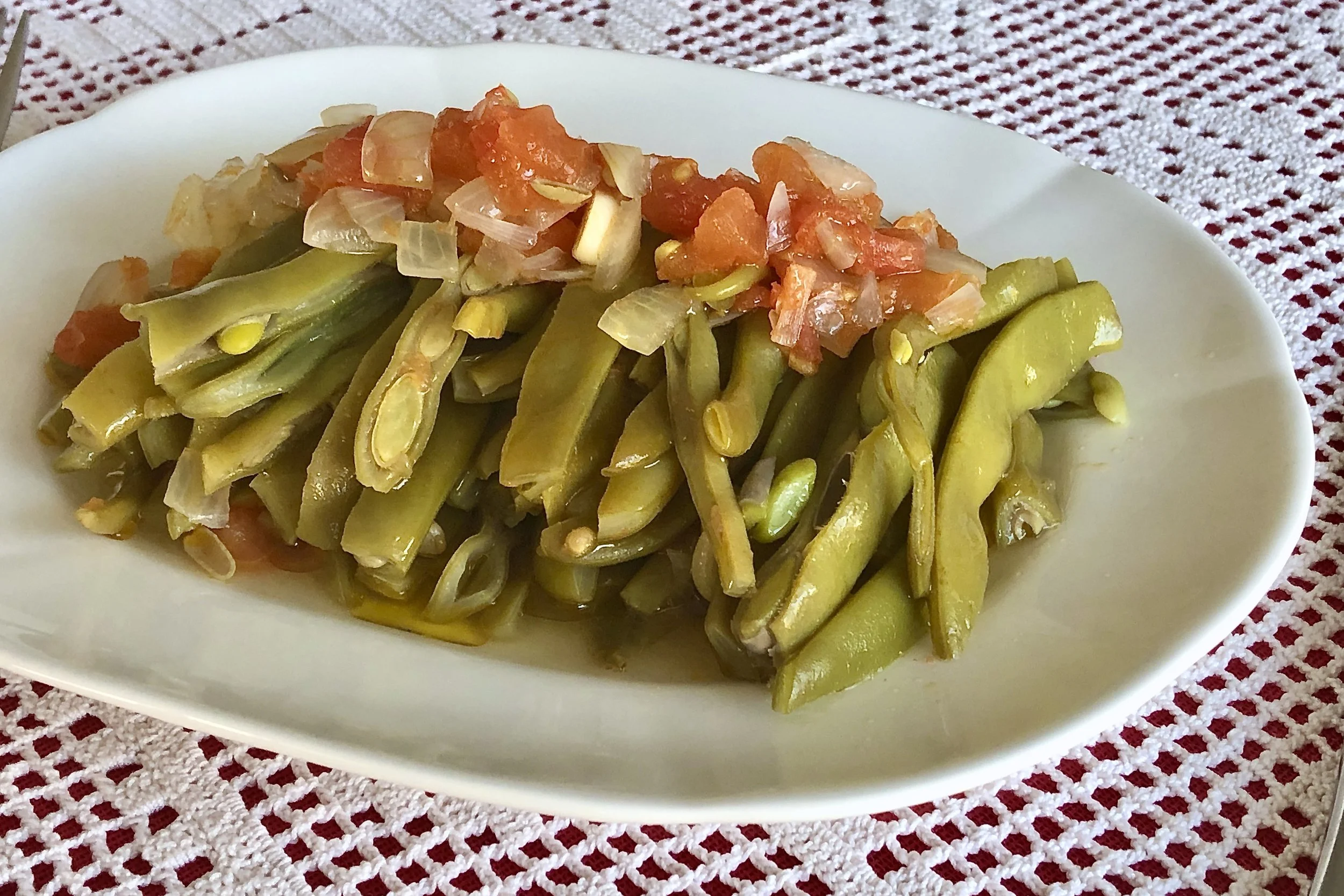
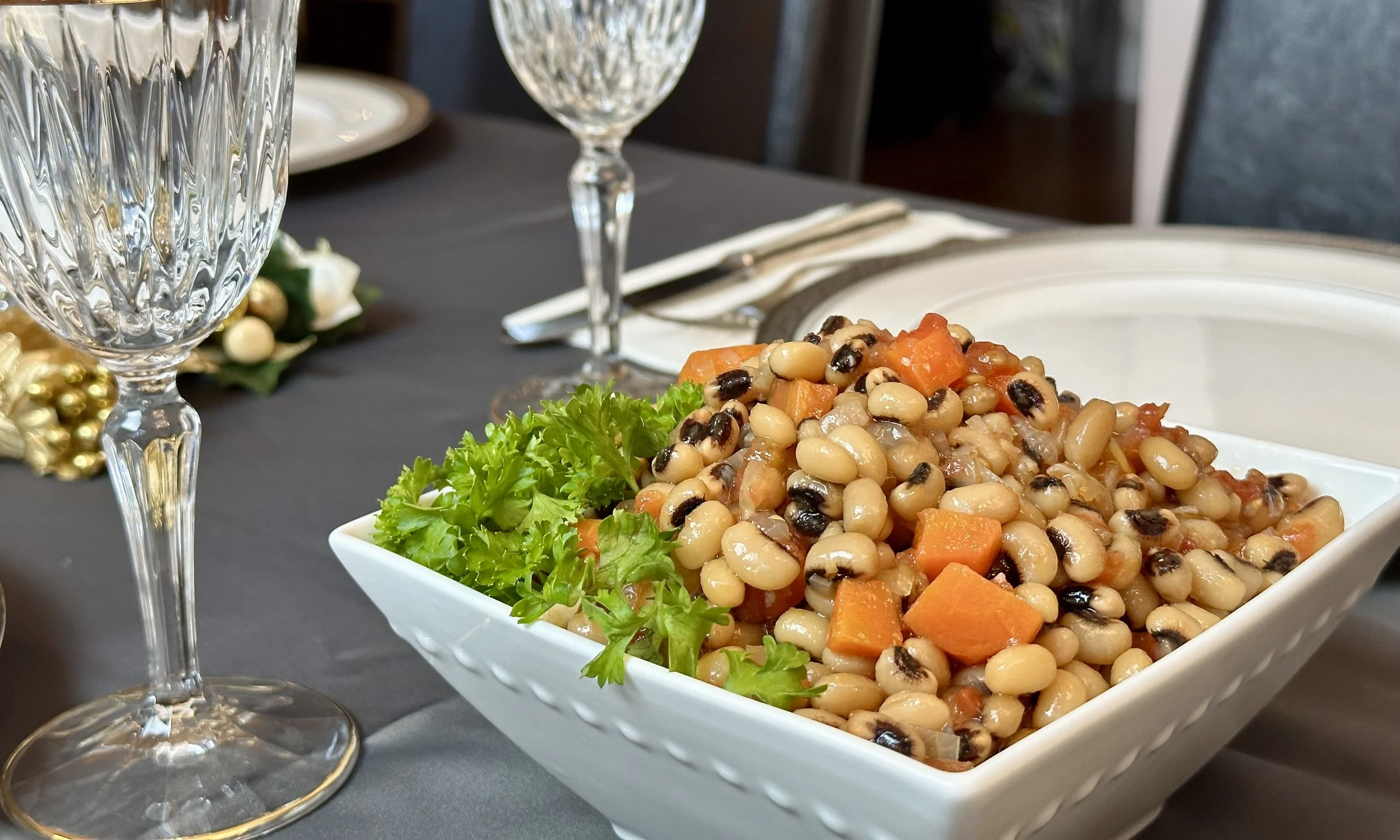
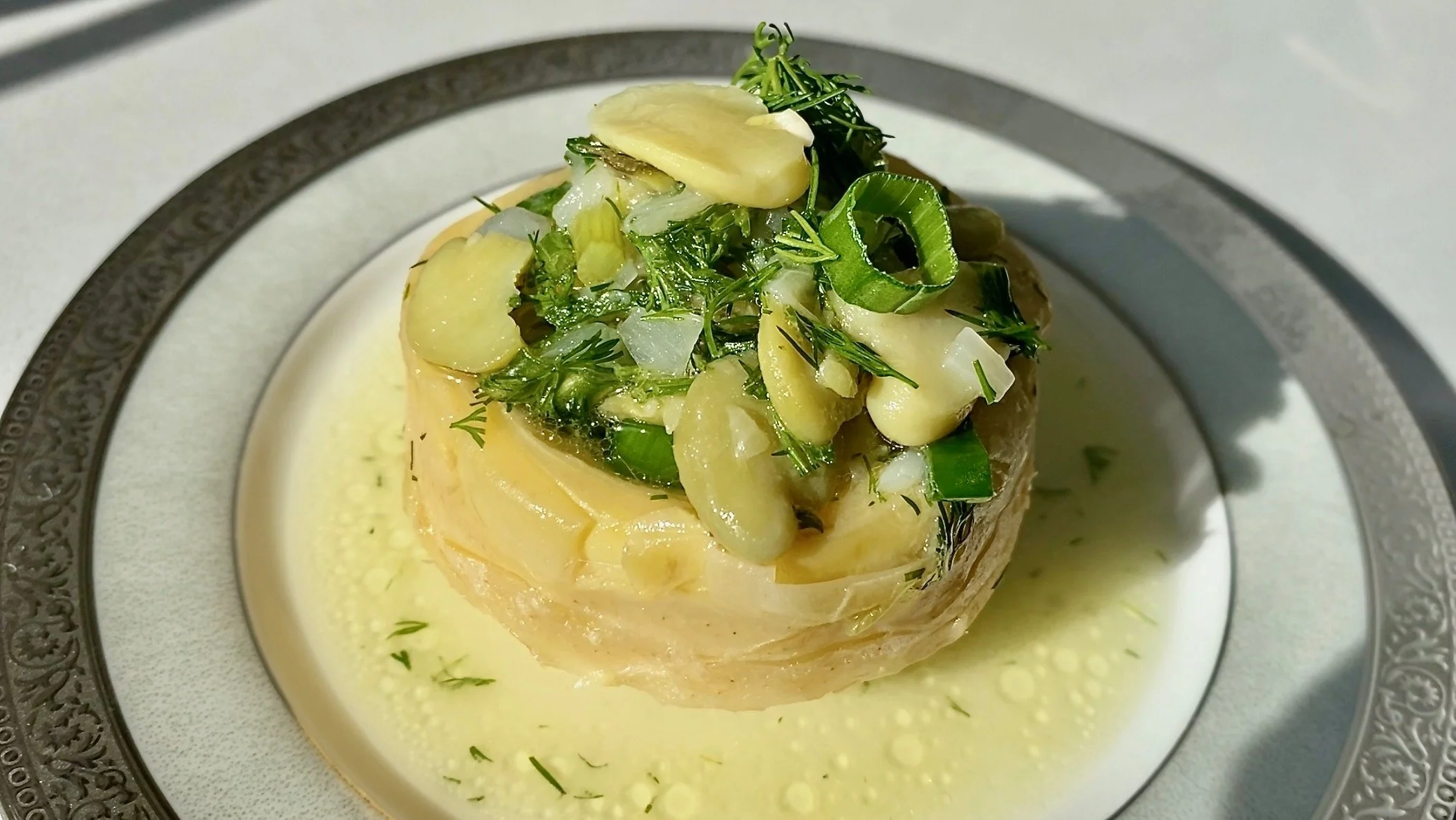
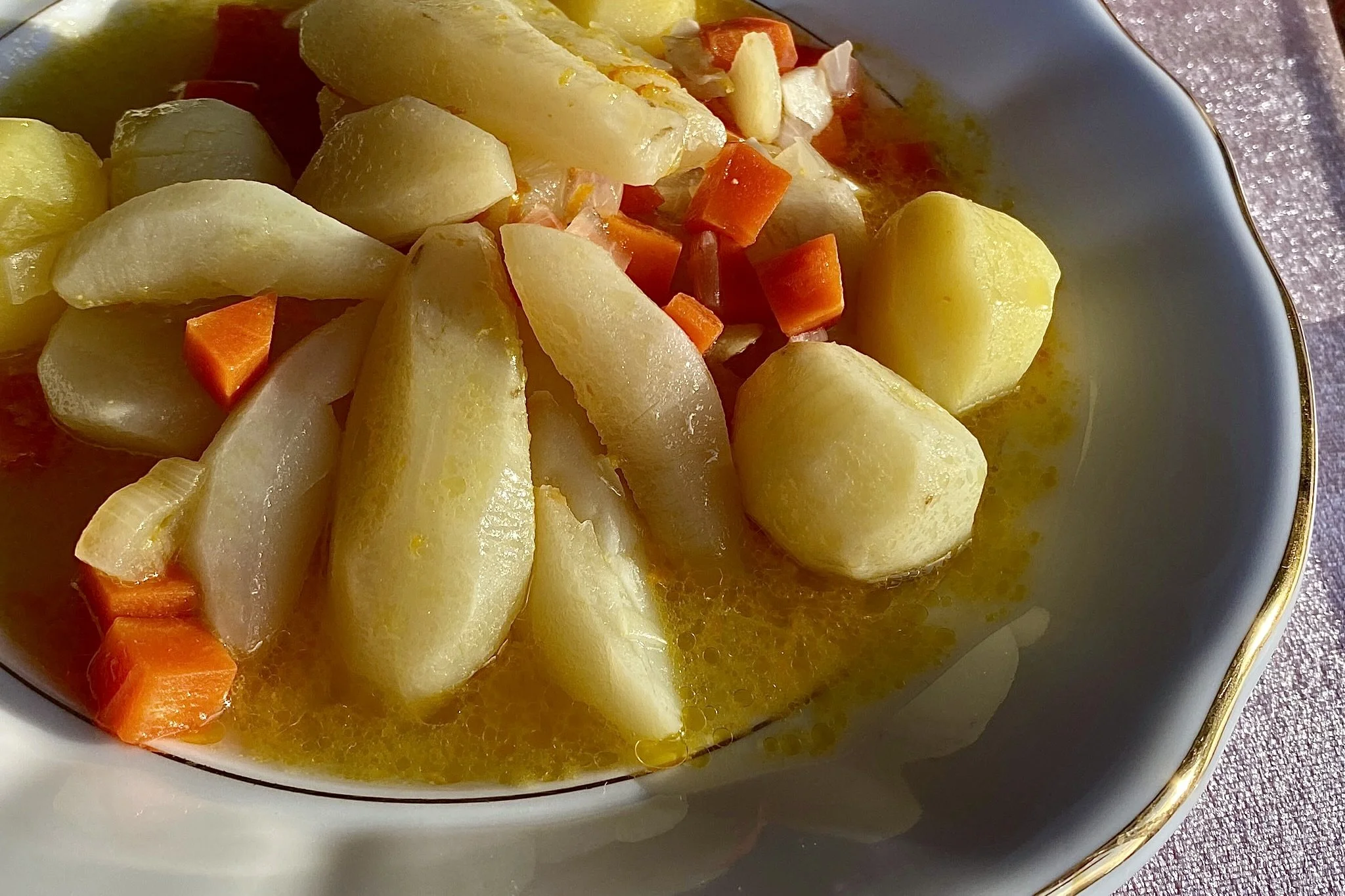
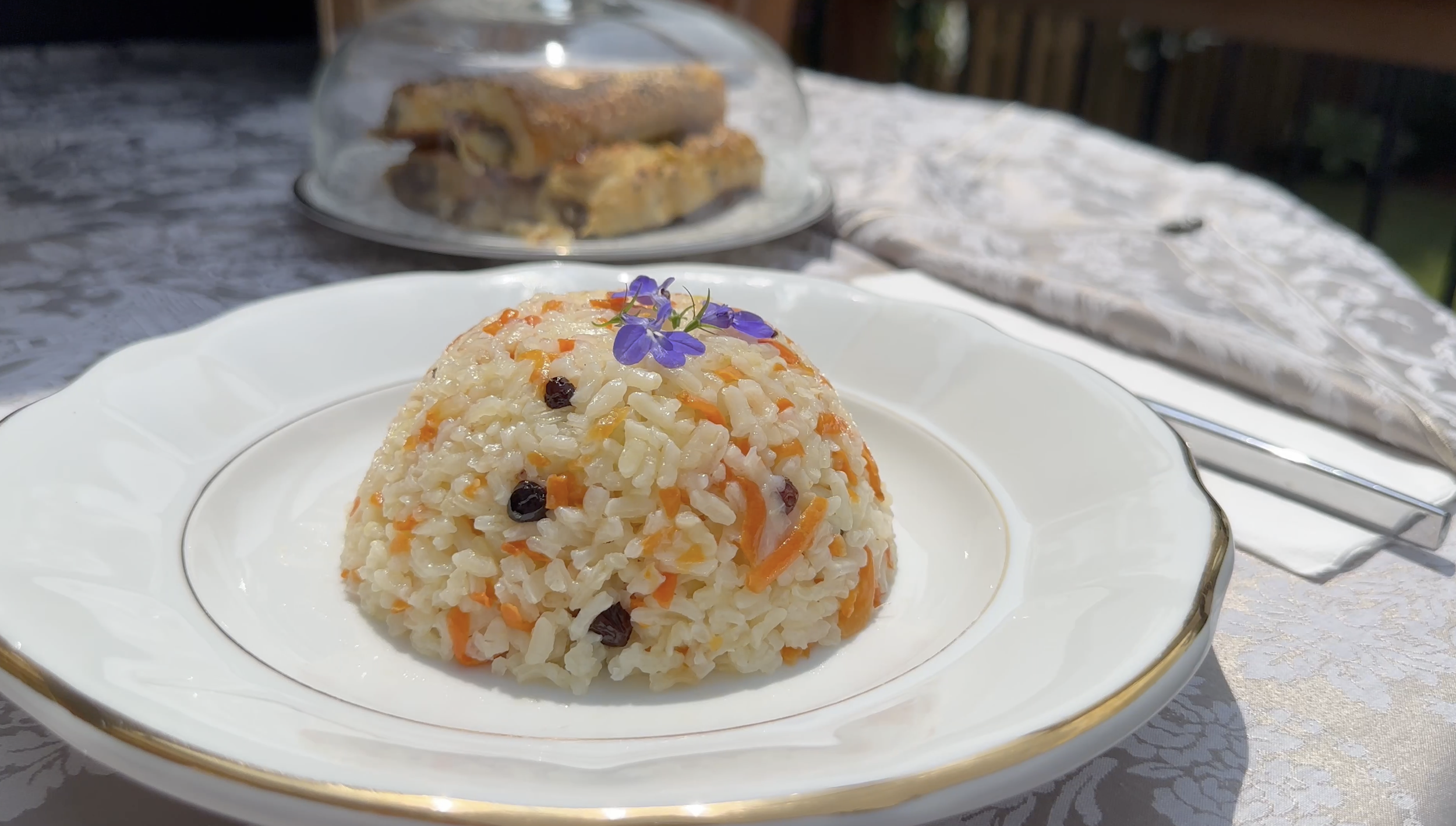

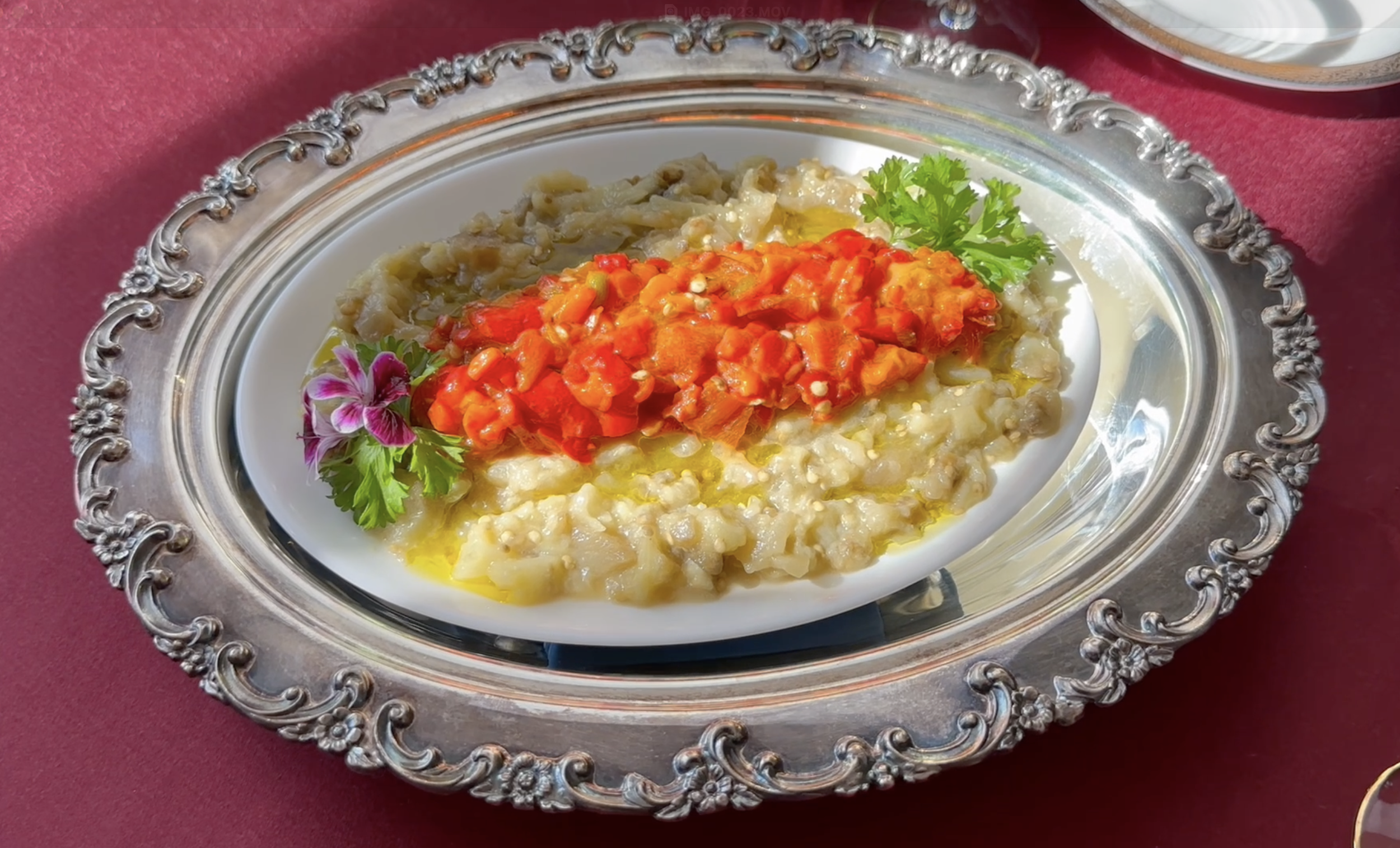
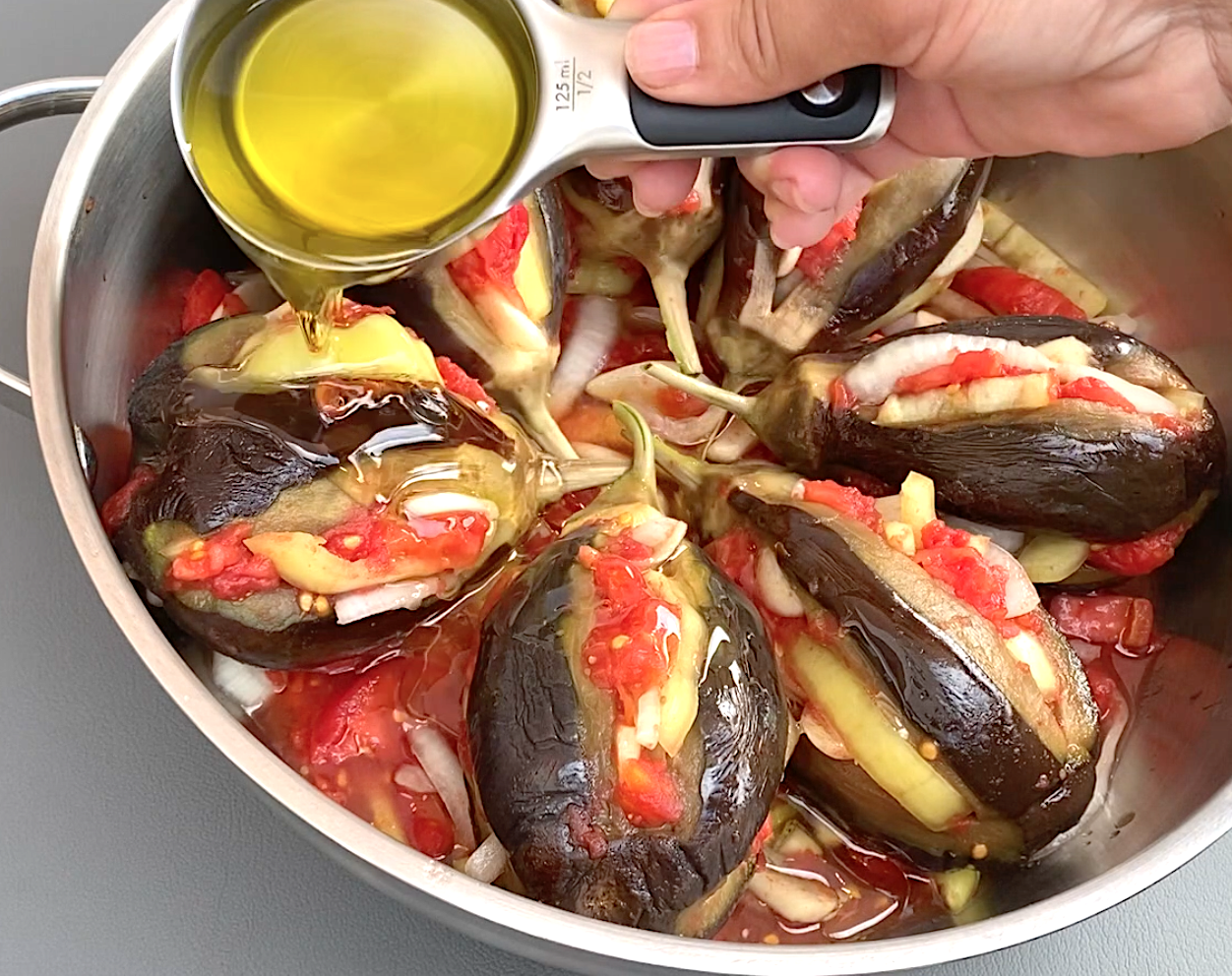
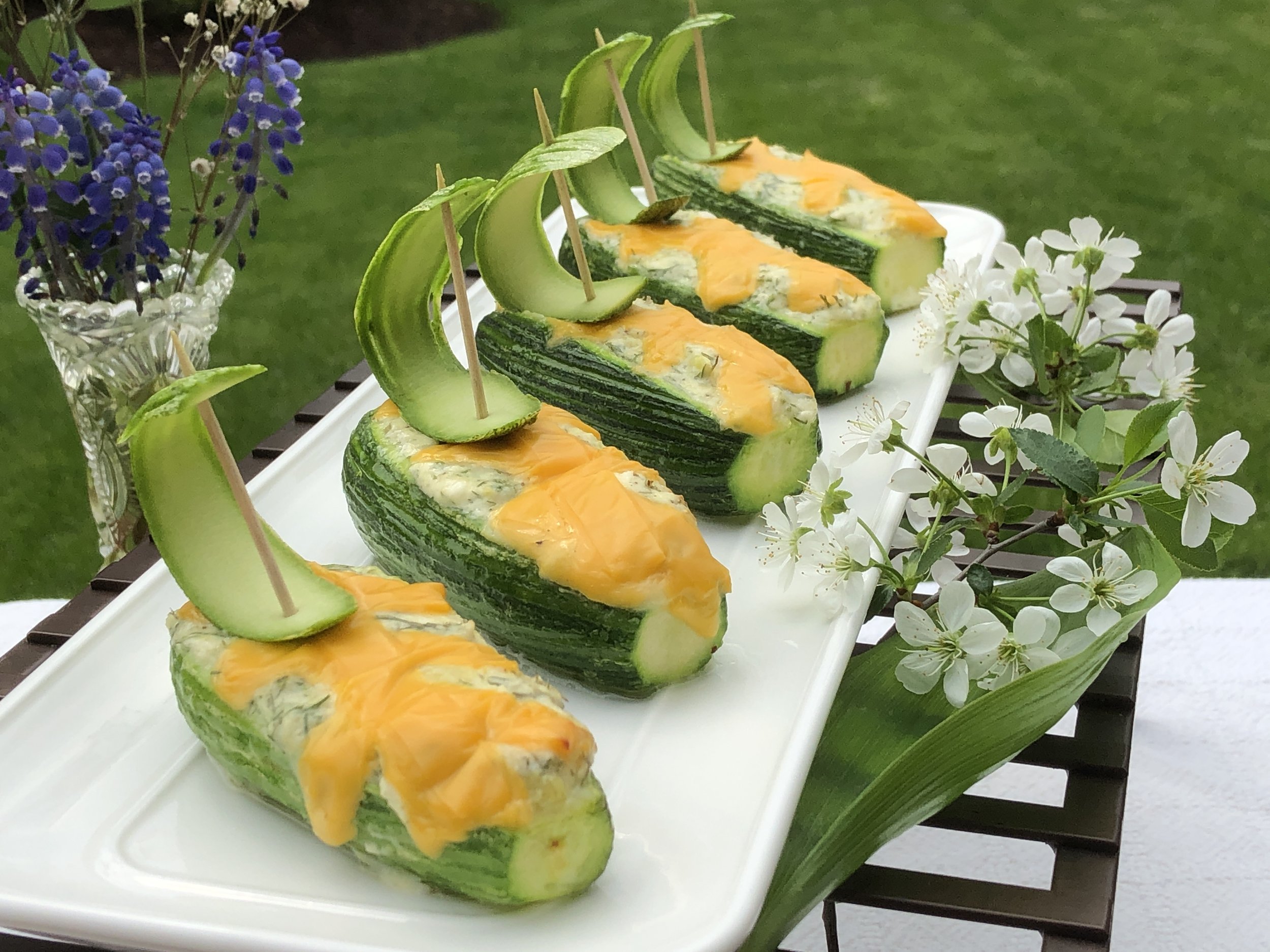

I’m less interested in a home that looks beautiful than in one that works beautifully. Real domestic luxury is having enough knowledge of ingredients, seasons, tradition and your own household that you need fewer instructions and can make good decisions with what you already have. Fairies’ Cuisine is about passing on that kind of practical fluency so beauty becomes lived-in, convenience remains a choice, and the kitchen gradually feels less like a problem to solve and more like a place that welcomes you.