Kapuska | Balkan-Style Cabbage Stew
KAPUSKA RECIPE TUTORIAL
Note: By clicking on this video, you allow third parties (YouTube and Google) to access your data. Visit our privacy policy for more info.
A Soft Echo of Istanbul Winters
A white Istanbul winter always calls for something warm and soulful simmering on the stove. Kapuska, the humble cabbage stew, has long been a quiet hero of these days; a dish that fills both home and heart.
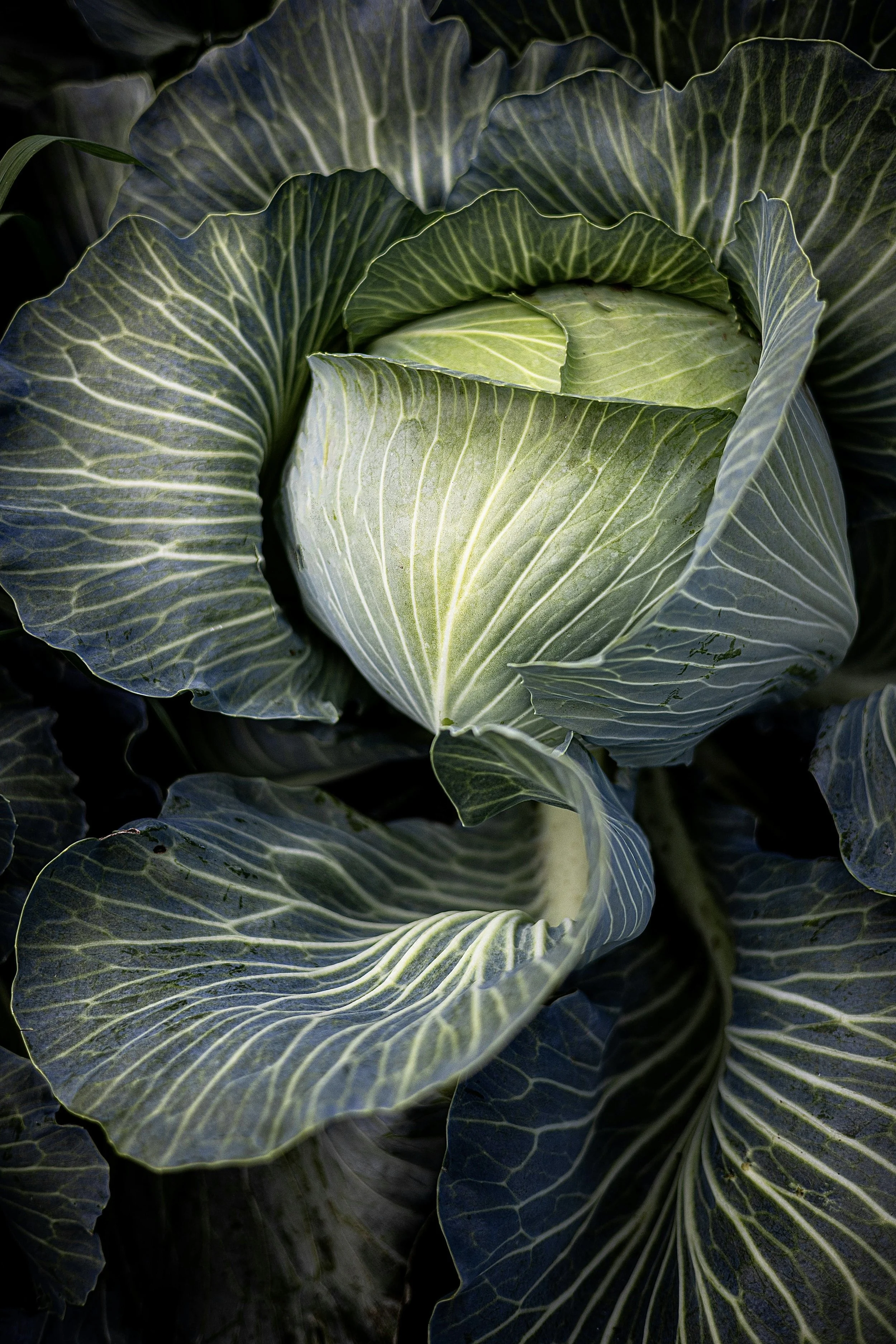
In Istanbul, cabbage takes center stage as part of a long Eastern Mediterranean food tradition: a member of the mustard family (Brassicaceae), rooted in the agricultural landscapes of the Mediterranean and Fertile Crescent regions for more than 4,000 years, across which Anatolia is a geographic and cultural bridge.
Its sturdy leaves and rich nutrients made it an essential part of daily nourishment long before modern kitchens existed. Over time, this resilient plant adapted gracefully to the cold winters of Anatolia and Eastern Europe, giving rise to a rich variety of dishes from stuffed rolls (lahana sarması) to pickles (lahana turşusu), and to the tender, fragrant Kapuska itself.
In many Istanbul homes, the preparation of cabbage begins with great care. The large, supple outer leaves are often reserved for dolma (stuffed cabbage rolls), which are rolled neatly; small and elegant, about 6–8 cm, using the smoothest leaf sections. The thick veins and inner leaves, less suited to dolma, are set aside for Kapuska. This practice is not wasteful but deeply thoughtful; a culinary tradition of balance and zero-waste that transforms every part of the vegetable into something distinct and beautiful.
The thick inner cabbage lends Kapuska its signature texture: tender yet pleasantly firm, sweetened naturally as it cooks. For generations, Istanbul cooks have followed this quiet rhythm: dolma for elegance, kapuska for comfort. Both stem from the same cabbage, yet each reveals a different side of Istanbul: its refinement and its warmth.
Whether served at a humble family table or a winter feast, Kapuska is a reflection of Istanbul’s culinary grace: thoughtful, nourishing, and designed to be shared.
Ingredients
300 g cabbage
1 medium onion, diced
¼ cup olive oil
1 tbsp mild pepper paste
1 tsp salt
2 tbsp rice
2 cups water
(Optional: 1 dried or fresh hot red pepper for a touch of spice)
Directions
PREPARATION:
Wash the cabbage as whole.
Set aside the softer parts of the outer leaves for cabbage rolls. (Or use all at once).
Then chop the discarded leaf parts and cabbage core into medium-sized pieces.
Peel and dice the onion.
COOKING:
Heat the olive oil in a large pot over medium heat, then sauté the onion for about 1 minute until the raw scent disappears and the pieces become translucent.
Add the pepper paste and stir for another 20-25 seconds.
Stir-in the chopped cabbage and mix well to coat with the base mixture in the pot. Add water and salt, then cover and bring to a boil.
Once boiling, sprinkle the rice evenly over the cabbage. Lower the heat to minimum, cover, and simmer for 15–20 minutes, until the rice and cabbage are tender.
Rest for 10–15 minutes before serving.
SERVING:
Serve warm or at room temperature.
[Notes from the Kitchen]
Kapuska is one of the most practical and comforting ways to cook cabbage; hearty, nourishing, and simple.
While any white winter cabbage is suitable here, Turkish cooking traditionally relies on firm, tightly packed varieties often referred to as lahana. You may find them sold as “Turkish cabbage” in Mediterranean groceries, though standard winter cabbage works just as well.
You can easily adjust the proportions. However, cabbage doesn’t reduce as much as other leafy vegetables, so plan your pot size and seasoning accordingly.
For a meat version, add 150–200 g of ground beef after sautéing the onion and cook until browned before proceeding with the rest of the steps.
For young children (2+ years), you can prepare a smoother, soup-like version to introduce this healthy dish more gently.
Kapuska pairs beautifully with other seasonal and zero-waste dishes, hearty soups, yoğurt or pickles.