Mille-Feuille Pochas | Milföy Poğaça
MILLE-FEUILLE POCHAS RECIPE VIDEO
Note: By clicking on this video, you allow third parties (YouTube and Google) to access your data. Visit our privacy policy for more info.
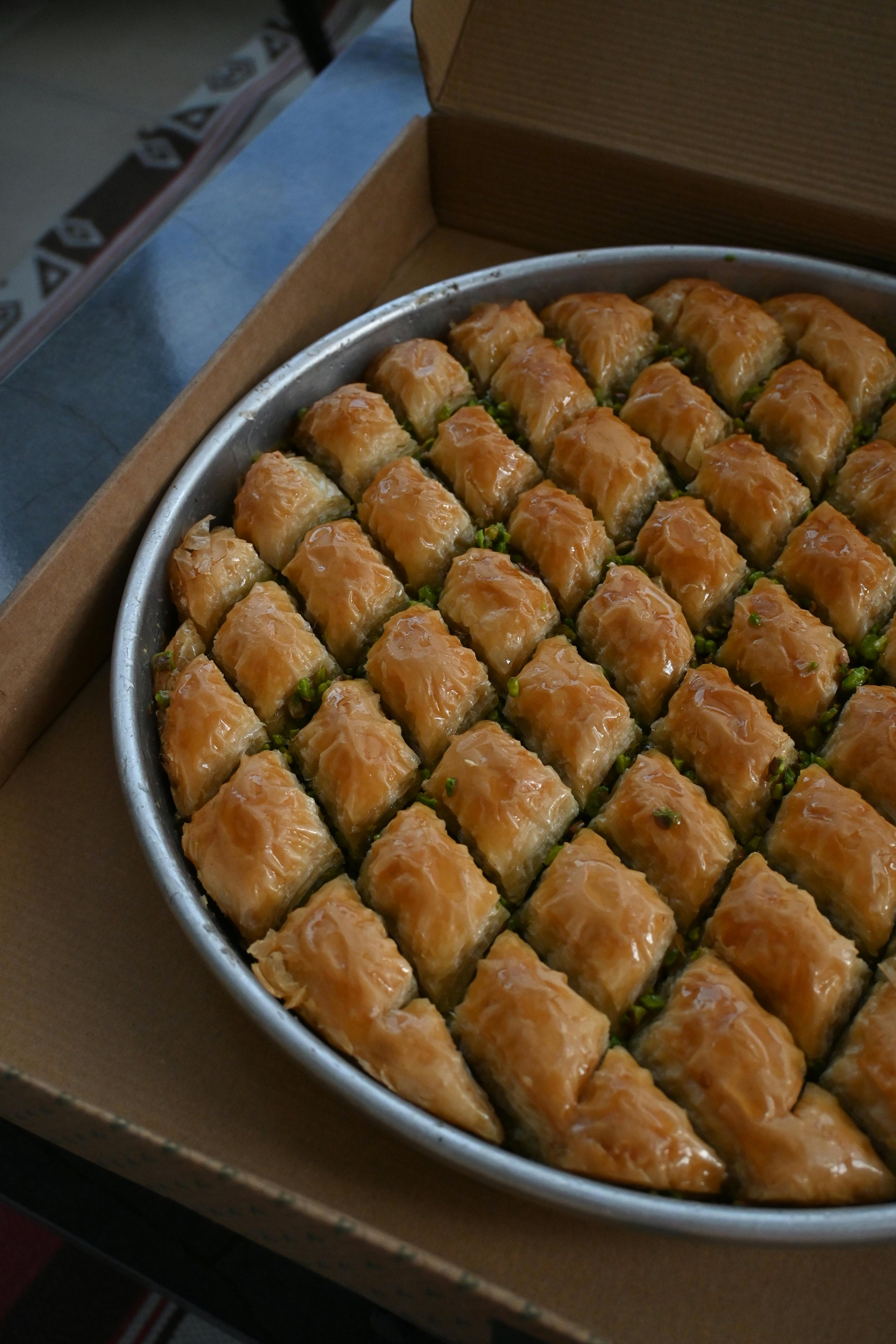
These crispy little parcels are a clever twist on the classic poğaça (a type of Turkish savoury pastry), but instead of soft yeast dough, they’re made with buttery mille-feuillet pastry.
The result is a golden, flaky shell that crackles with each bite, giving way to a savoury beef-and-onion filling.
This is the kind of recipe that works beautifully when you want to impress guests but don’t want to spend hours in the kitchen. They look elegant, taste indulgent, and pair effortlessly with a cup of tea or even a chilled drink on a summer evening. Whether served as a warm snack or part of a larger spread, these pochas are little bites of pure comfort wrapped in sophistication.
Ingredients
For the Filling:
300 g ground beef
1 onion
2 eggs (separated)
3 tbsp olive oil
1 tsp ground black pepper
1 tsp salt
For the Dough:
1 packet (850 g) mille-feuillet dough
For Decoration:
½ tbsp sesame seeds
½ tbsp black cumin seeds
Directions
THE FILLING
Peel, wash, and dice 1 onion.
In a bowl, combine: 300 g ground beef, diced onion, 1 tsp salt, 1 tsp black pepper, and 3 tbsp olive oil.
Separate 2 eggs. Set the yolks aside in a small plate, drizzle with 1 tsp olive oil, and reserve for brushing.
Add the egg whites to the beef mixture and knead until combined into a uniform filling.
Divide the filling into two large portions (enough for two sheets of dough).
SHAPING
Let the mille-feuillet dough come to room temperature. Roll it lightly with a pin to even the thickness.
Cut into long strips with a ratio of about 4:1 length to width.
Place a spoonful of filling on one end of a strip. Fold diagonally into a triangle, then continue folding along the strip until you form a neat triangular bundle.
Press the edges to seal. Place each pocha on a parchment-lined baking tray.
EGGWASH & TOPPINGS
Brush each pocha with the reserved egg yolk mixture.
Sprinkle with sesame seeds and black cumin for a decorative finish.
BAKING
Preheat oven to 380°F (190°C).
Bake for 40–45 minutes until the pochas are golden and flaky.
Rest on the tray for 5–7 minutes before serving.
SERVING
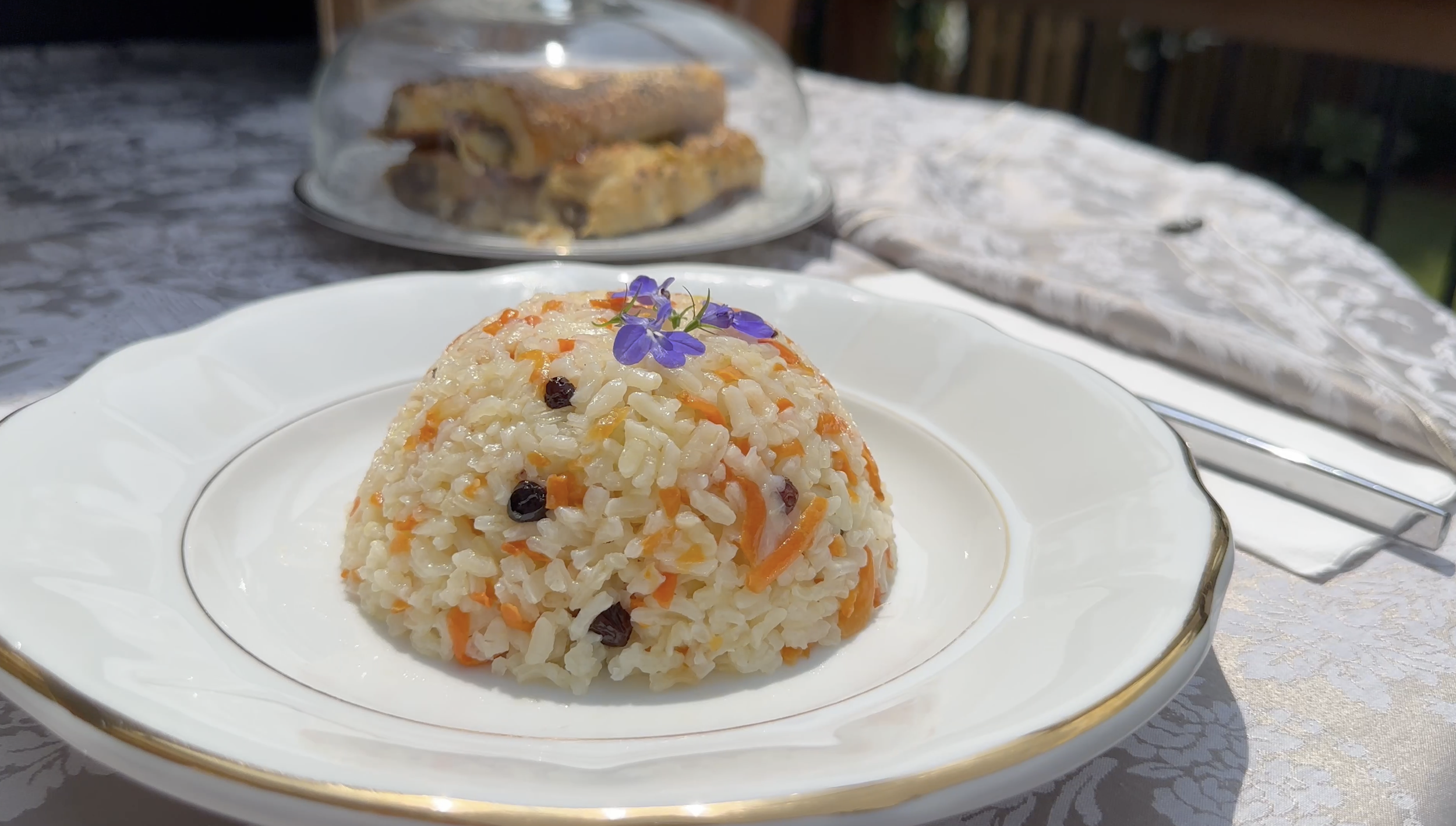
Transfer the Mille-Feuillet Pochas to a wide platter and serve warm. They’re perfect as a light lunch, an appetizer, or as part of a meze spread alongside cold drinks and fresh salads.
[Notes from the Kitchen]
Room Temperature Dough: Mille-feuillet pastry is easier to work with when not too cold. Let it soften slightly before rolling, but don’t over-handle because it melts fast.
Folding Tip: Folding into triangles helps keep the filling secure and gives that lovely layered look once baked.
Resting After Baking: Letting the pastries sit for a few minutes prevents breakage and allows the flaky layers to set.
Storage: Best enjoyed the same day, but leftovers can be stored in the fridge up to a week. Reheat in the oven for crispness.