Slow-Roasted Lamb | Fırında Kuzu Kol
SLOW-ROASTED LAMB SHOULDER RECIPE VIDEO
Note: By clicking on this video, you allow third parties (YouTube and Google) to access your data. Visit our privacy policy for more info.
Celebrate tradition with this slow-roasted: tender, herb-scented, and steeped in Istanbul’s festive spirit. A timeless dish perfect for Bayram or holiday gatherings.
There’s a certain stillness in the kitchen when lamb roasts slowly in its own steam, a calm that builds into celebration. In Istanbul, slow-roasted lamb shoulder (Fırında Kuzu Kol) is more than a dish; it’s a signal of reunion.
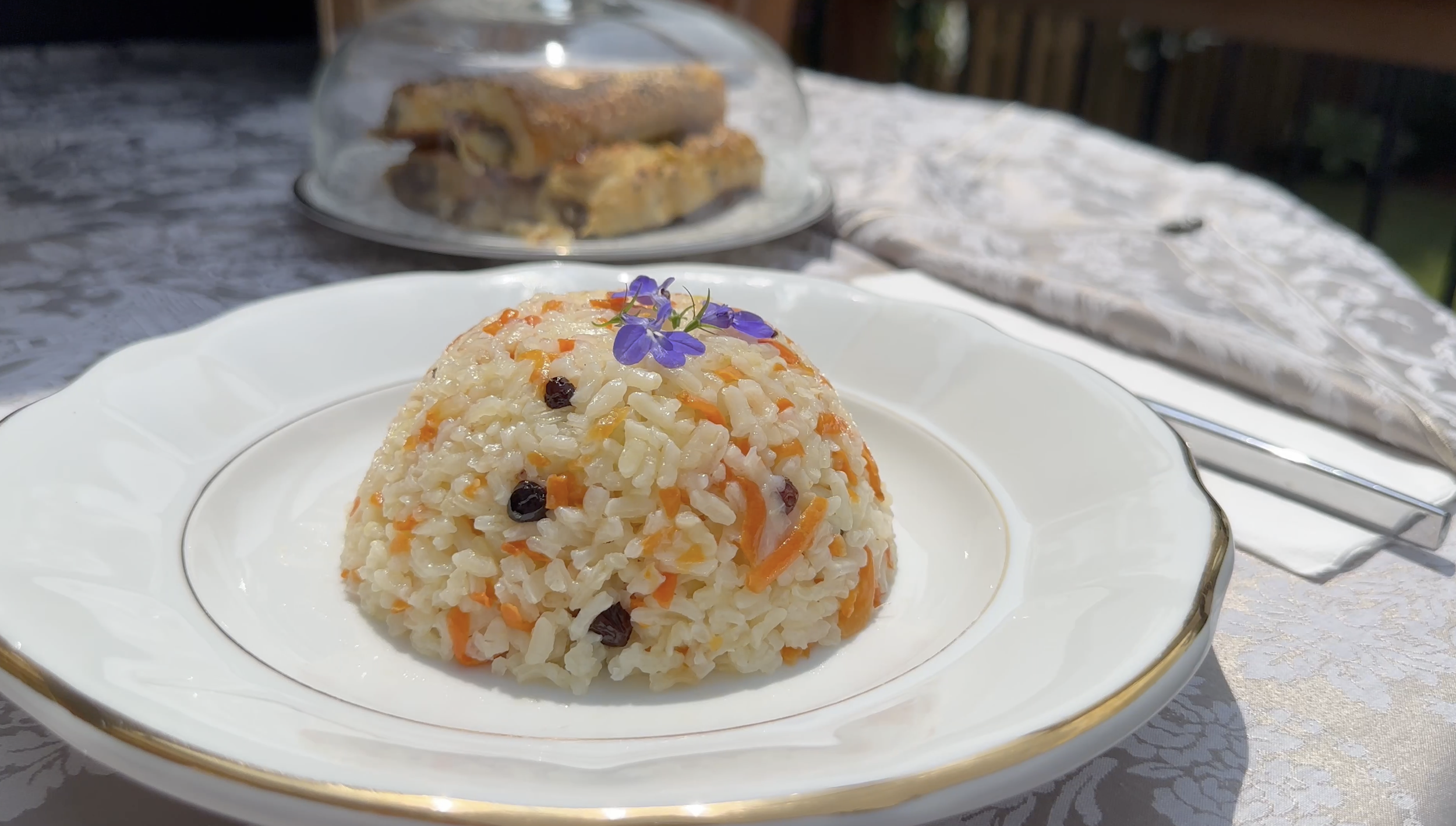
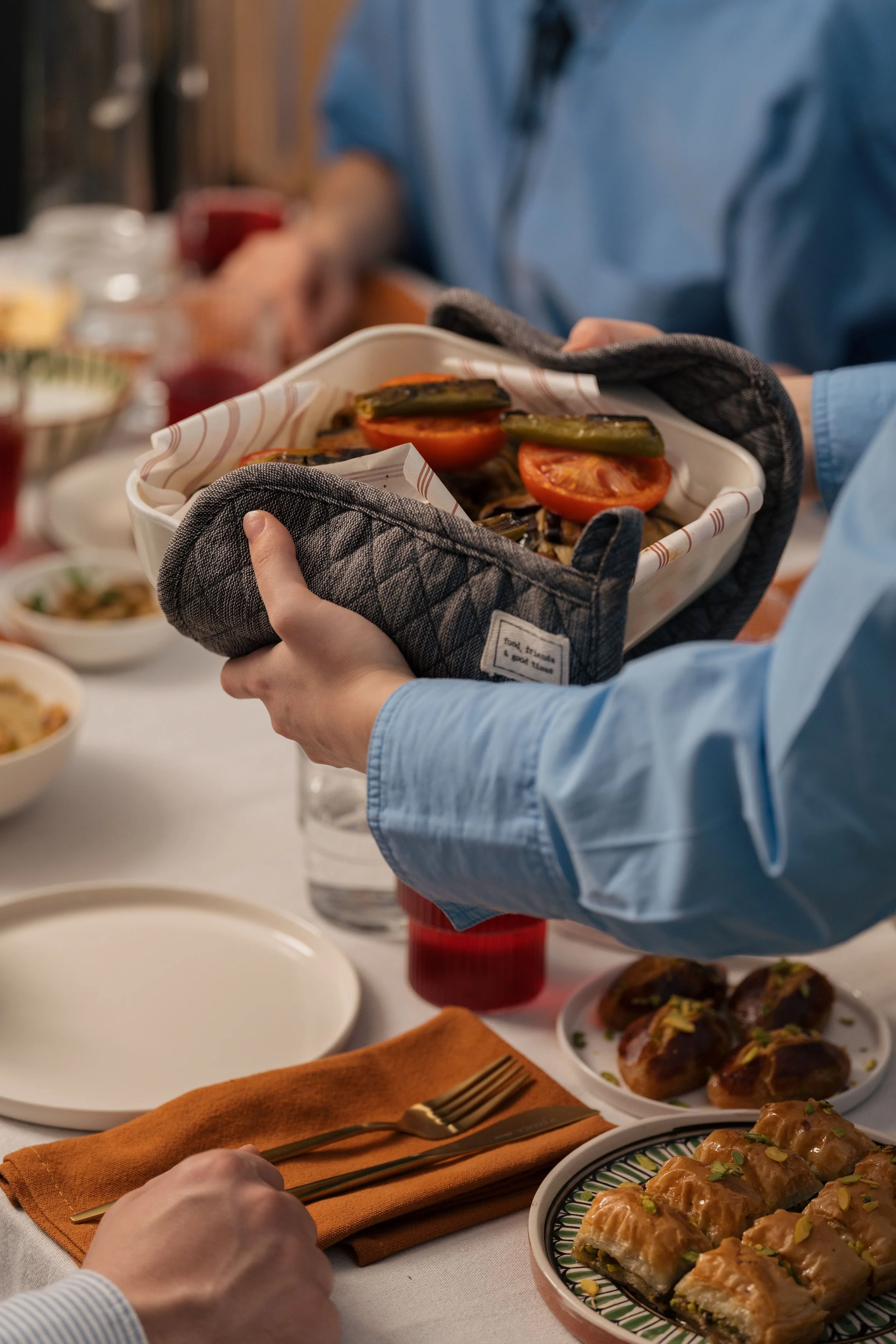
When a large family gathers around the table for Bayram or New Year’s Eve, this is the centrepiece. A tender cut of lamb, rubbed with olive oil and herbs, sealed in parchment and foil, left to transform in the oven over hours. Around it, pilav and meze dishes bloom like a festival; each one small, flavourful, meant for sharing. The meal stretches into the evening with talk, laughter, tea, and coffee, as every good celebration in Istanbul should.
This slow-roasted method is part patience, part tradition. The lamb cooks in its own moisture, developing a deep, buttery tenderness that falls apart at the touch of a fork. The roasted potatoes and onions beneath catch its juices, turning golden and sweet. When the lamb finally emerges from the oven, crisp on the outside and melting within, the room smells of rosemary, smoke, and comfort.
Ingredients
For the Lamb
1 (~2.5 kg) lamb shoulder, boneless
1 whole garlic
1 tbsp rosemary
1 tbsp oregano
1 tbsp paprika
1 tbsp ground black pepper
1 tbsp salt
1/3 cup olive oil
For the Garnish
1 large onion
650 g (~4 medium-sized) potatoes
Directions
PREPARING THE LAMB
Wash and pat dry the lamb. Line a baking tray with parchment paper and aluminium foil.
Mix rosemary, oregano, paprika, and pepper in a bowl. Cut small incisions into the meat and insert garlic cloves. Rub the meat first with salt, then with the spice mix. Place the lamb on the tray and drizzle olive oil on top.
Wrap it tightly; first with parchment, then with foil to seal in the steam.
SLOW-ROASTING
Preheat the oven to 400°F (200°C). Roast the lamb for 1 hour.
Meanwhile, prepare the potatoes and onion, season with olive oil and salt, and set aside.
Reduce oven heat to 350°F (175°C). Roast the lamb 1 more hour.
Then add the vegetables to the tray and continue roasting for 1 more hours.
FINISH
Unwrap the lamb carefully. Transfer it onto a deep tray over the roasted vegetables. Spoon its juices over the top and return to the oven for 15 minutes, until the surface becomes golden and crisp.
Rest for 15–20 minutes before slicing into 1 cm-thick pieces.
SERVING
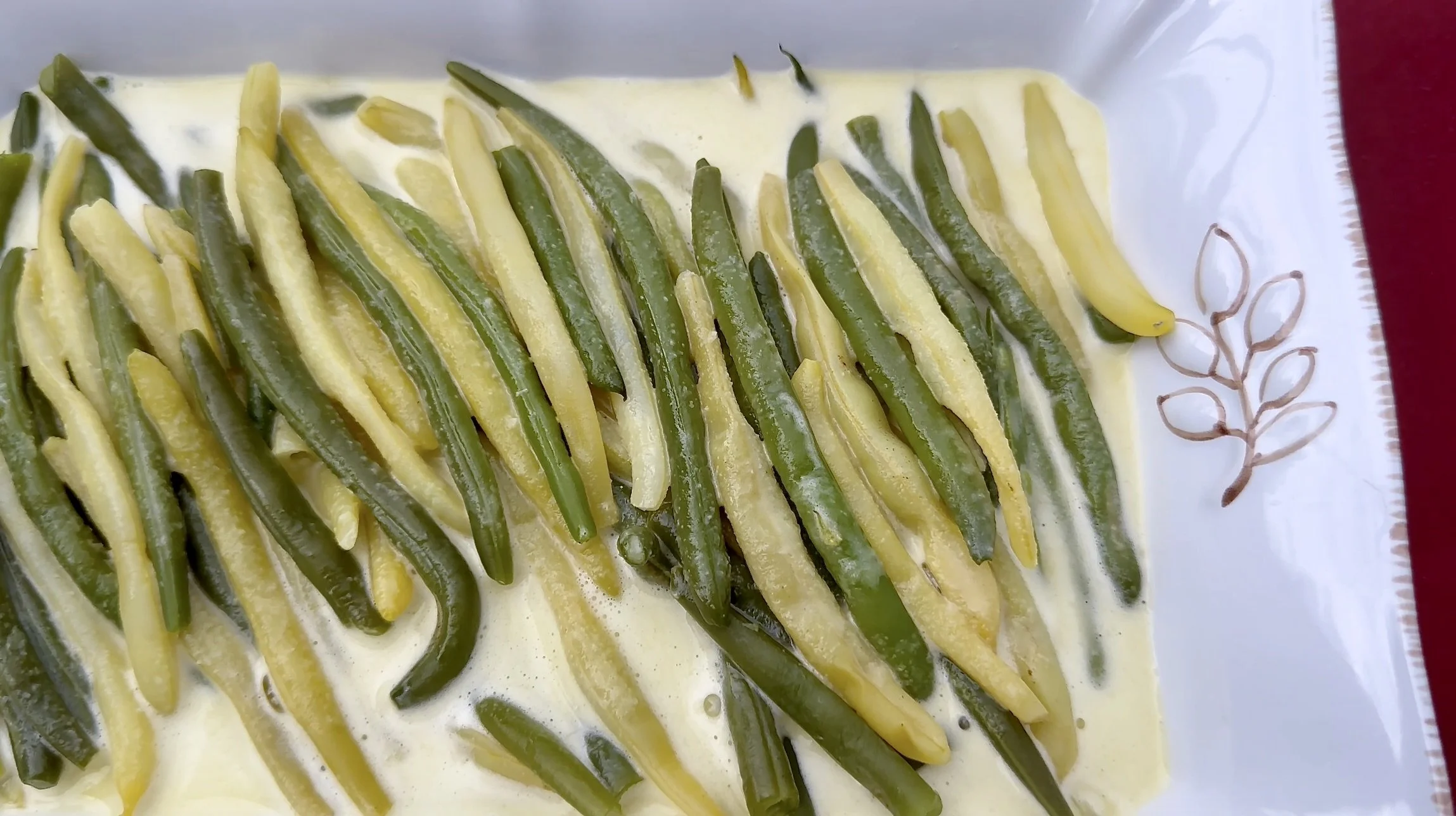
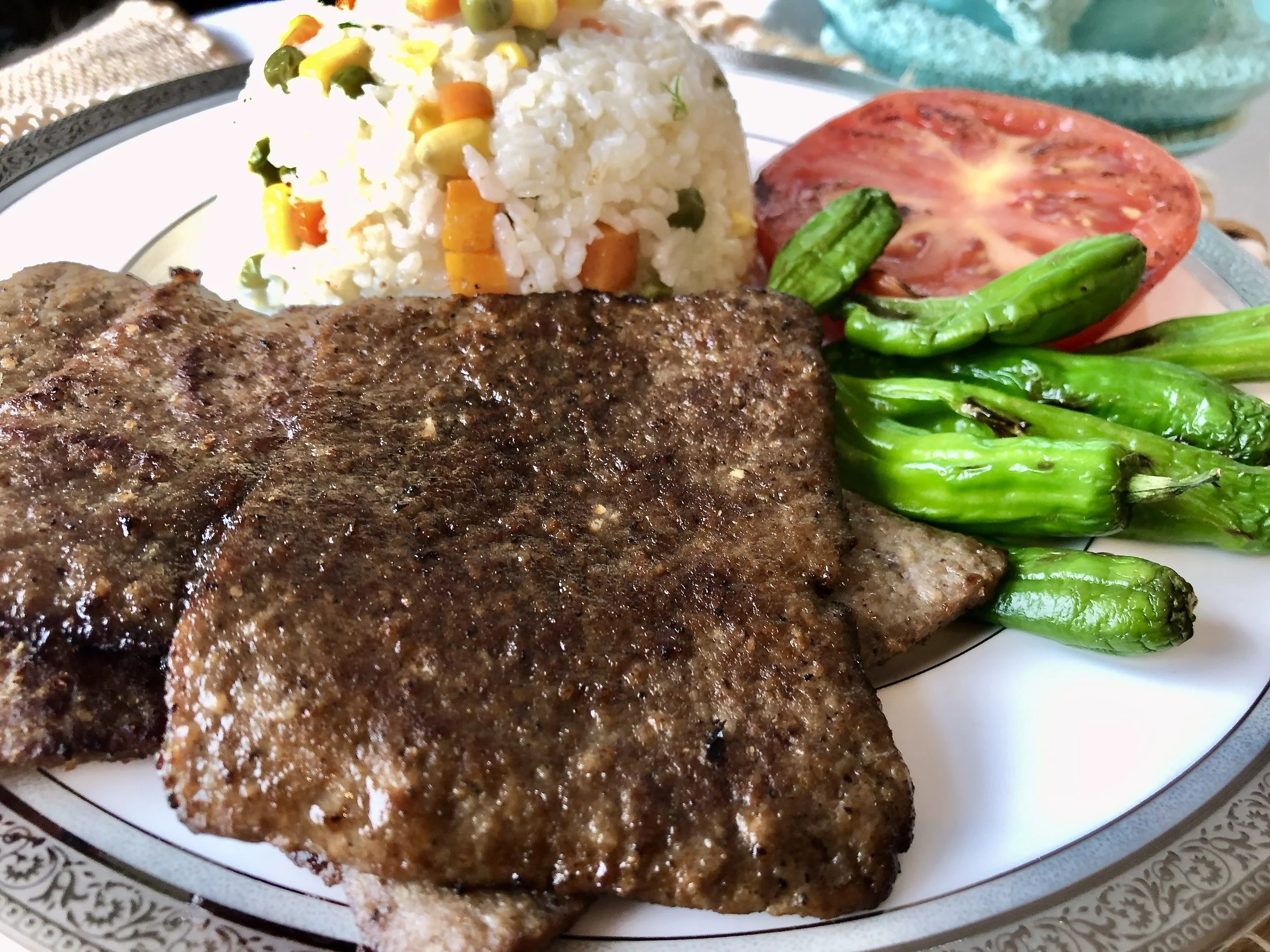
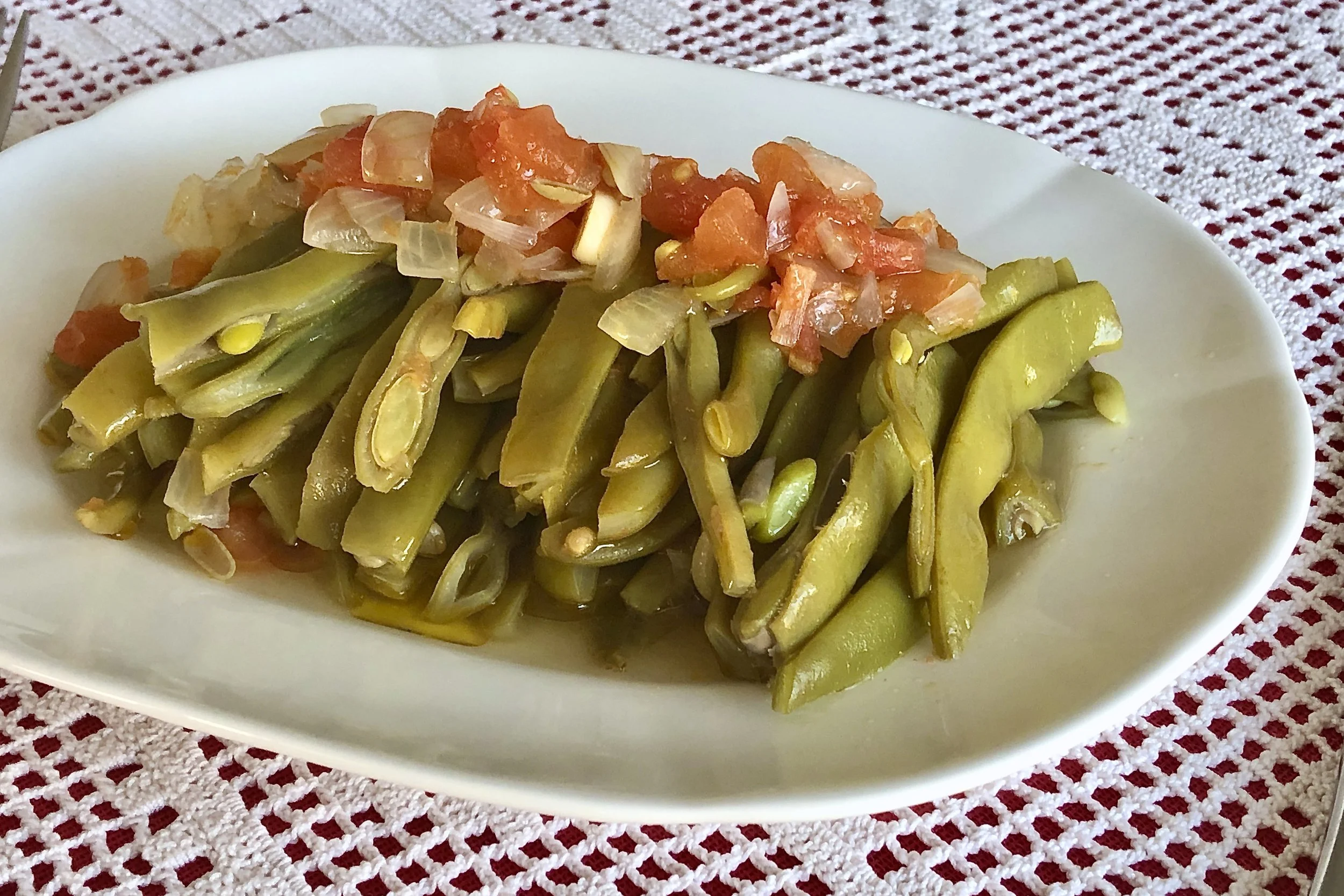
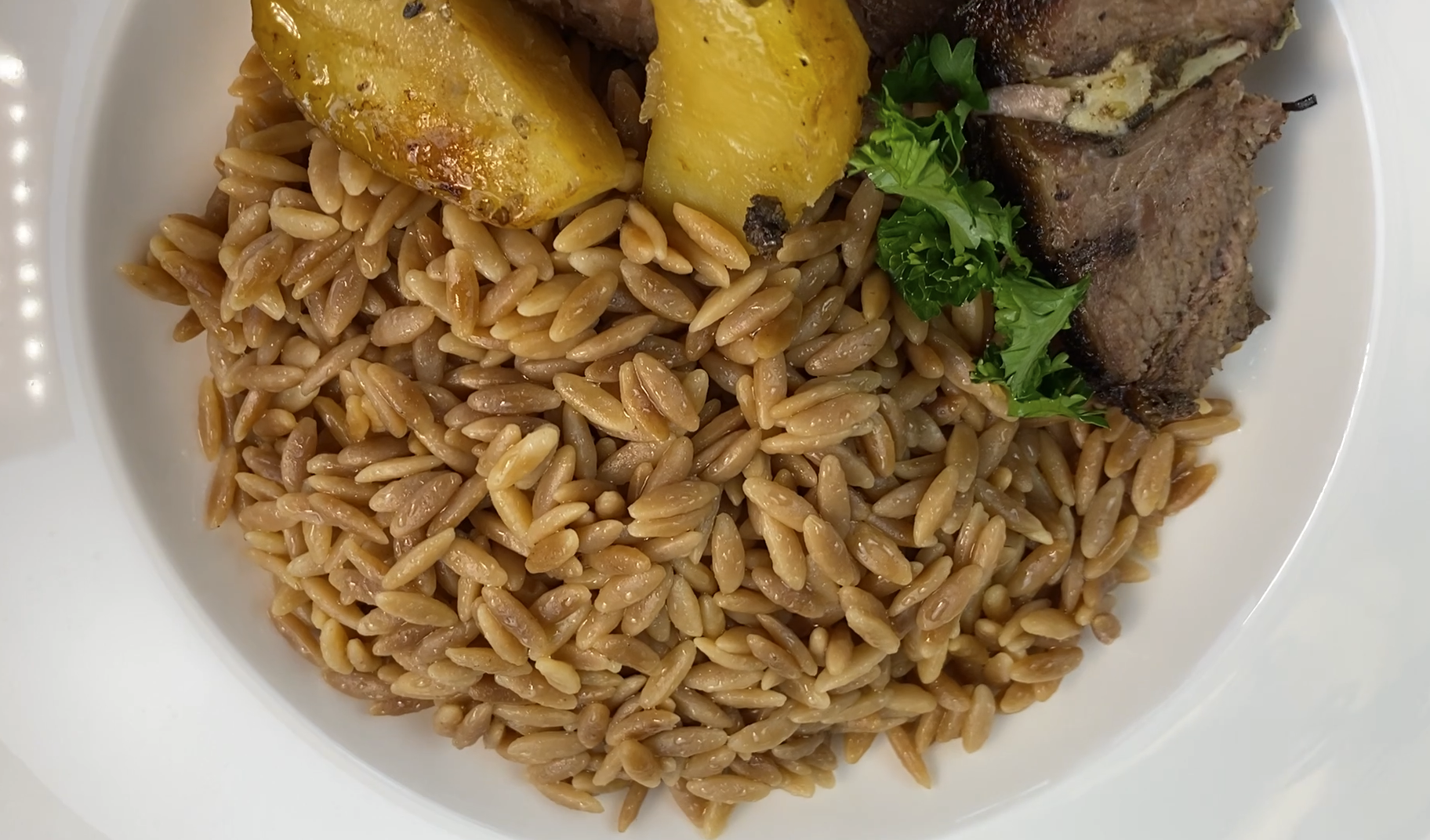
Traditionally, this dish is served with orzo (şehriye) pilav or simple steamed vegetables.
Place the pilav or vegetables on a large platter and arrange the lamb slices on top. Serve warm, with the pan juices drizzled over.
[Notes from the Kitchen]
Avoid letting aluminium foil touch the food directly. Parchment paper protects the dish while trapping steam effectively.
Butter can be used instead of olive oil for a richer taste and a crispier surface.
Adjust the spice blend to your taste. Thyme, cumin, or even sumac can add very nice fragrance to such hearty meat dishes.
The slow-roasting technique is ideal for festive gatherings: once in the oven, the lamb requires little attention while you prepare side dishes or welcome guests.