Spinach Braise | Kıymalı Ispanak
SPINACH BRAISE RECIPE VIDEO
Note: By clicking on this video, you allow third parties (YouTube and Google) to access your data. Visit our privacy policy for more info.
If you’ve never liked spinach, this is the version to try.
In Turkish cuisine, spinach was always something we cooked. It was never a leaf you tossed into a bowl and ate raw. When we first moved to Canada and saw baby spinach piled high in potluck salads; tender, glossy leaves meant to be chewed cold, without garlic, without tomato, without warmth. It took a while to understand that here, spinach mostly lives in salads, not hearty pots.
This braise is what comes to mind when I see spinach. It’s how we grew up knowing it: braised slowly with sautéed onions, tomato, rice, and just enough spiced beef to give it a satisfying meal. The leaves soften into the sauce, releasing their juices and soaking up the hearty broth around them, turning from something grassy into a winter comfort. It’s not heavy, but not delicate either. It sits somewhere in between. This is the kind of dish to have with a piece of crusty sourdough and a heap of plain Balkan yogurt (because yogurt and spinach are an inseparable food couple :) More on that in our blog).
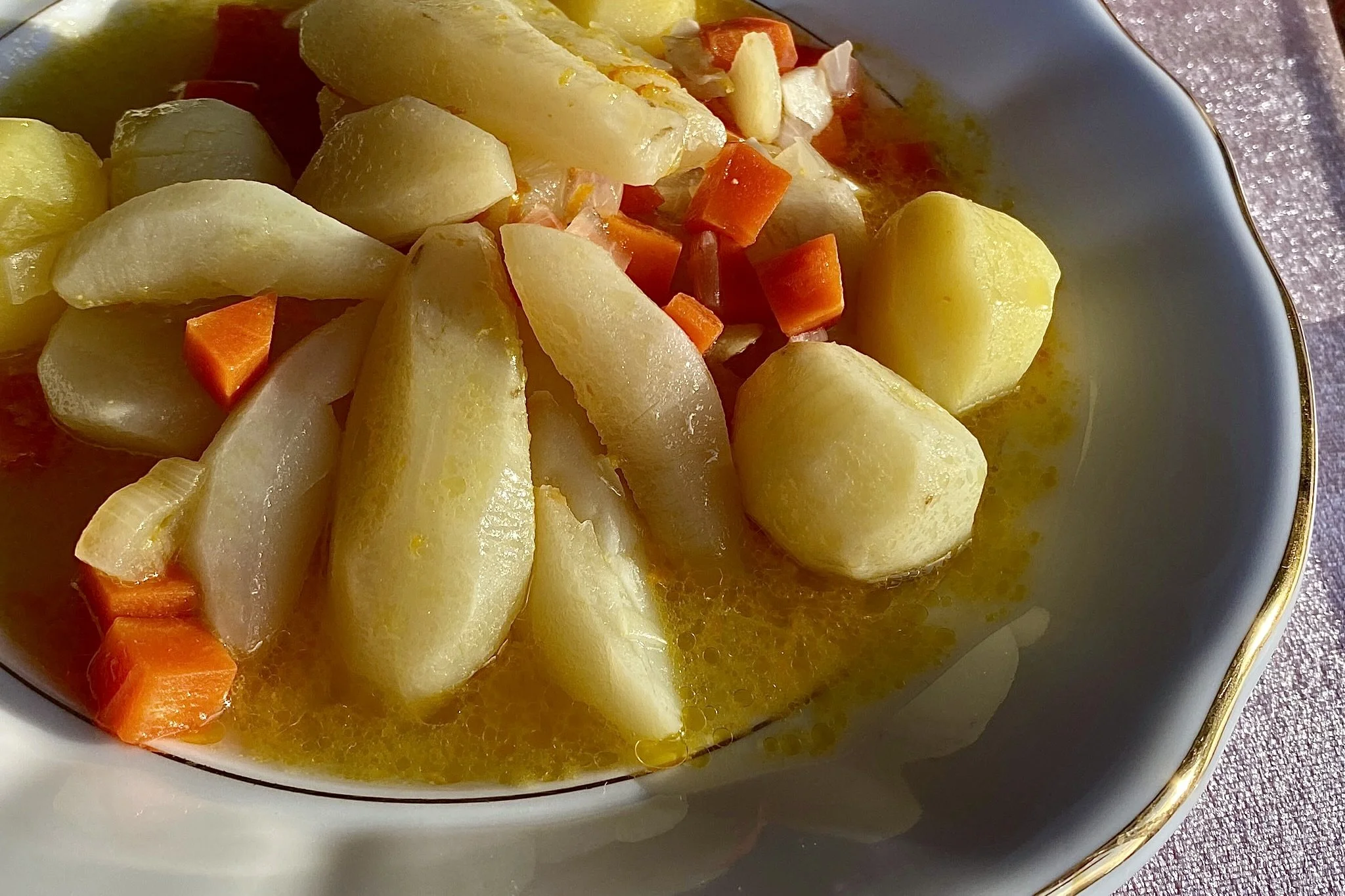
The slow braise method we use for most vegetables is a game changer. The beef and tomato take away any sharp bitterness, and a generous spoon of Balkan yogurt on top smooths it all out. It’s still spinach…just made to make you feel warmer in winter, when you want something green that’s actually filling and delicious. If you’d like a slow-cooked but more refreshing dish that still delivers cozy winter vibes, try Spinach Root Stew (Fun Fact: this is a zero-waste recipe).
Afiyet olsun!
Ingredients
1 kg spinach
500 g ground beef
2 tomatoes
1 large onion
¼ cup Calrose rice
½ cup olive oil
1 tsp salt
½ tsp ground black pepper
1 cup drinking water
Directions
PREPARATION:
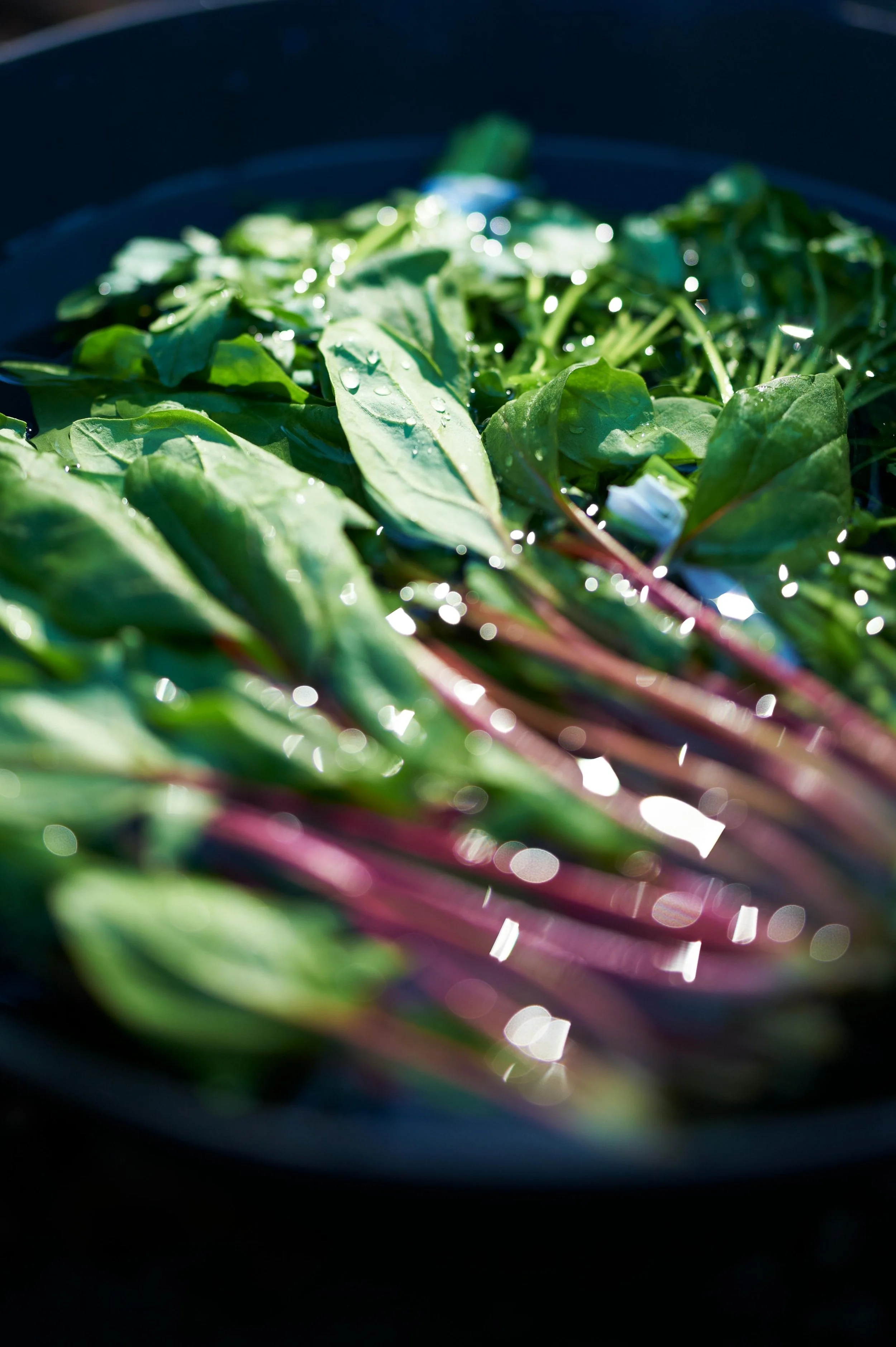
Wash the spinach thoroughly and drain well (we usually do 3 rinses because it grows low in sandy soil.) Set aside to dry.
Peel and dice the onion. Wash, peel, and dice the tomatoes.
COOKING:
Heat ½ cup olive oil in a deep pot over medium-high heat.
Add the diced onion and sauté for 1–2 minutes until slightly softened.
Add the ground beef and cook, stirring continuously, for 5–7 minutes until fully browned.
Add the diced tomatoes, 1 cup water, ¼ cup Calrose rice, 1 tsp salt, and ½ tsp black pepper.
Cover the pot, lower the heat to medium-low, and simmer for 10–15 minutes until the rice is soft and the mixture thickens slightly.
Add the spinach gradually, a handful at a time. As each portion wilts, gently move it aside and add the next. Continue until all the spinach is in the pot.
Cover, reduce the heat to low, and cook for 5–7 minutes more, just until the spinach is tender but not mushy.
Turn off the heat and let the dish rest for 2–5 minutes before serving.
SERVING:
Serve hot with a generous spoonful of plain yogurt on top and bread on the side. This is how spinach is traditionally eaten. The cool yogurt balances the warm, hearty greens.
[Notes from the Kitchen]
Washing spinach
Spinach grows close to the ground, so sand often hides between the leaves. Washing in plenty of water and lifting the leaves out (rather than pouring the water off over them) helps keep grit out of the dish.Why the spinach goes in last
Spinach cooks very quickly. Adding it only after the rice and meat have softened keeps the leaves bright, tender, and full-flavoured instead of dull and overcooked. If you’re using mature spinach with stems, add the stems along with the beef or tomatoes as they will take longer to cook.Why the leaves are added gradually
A full kilo of spinach looks enormous at first. Adding it in batches lets you stir the pot with ease for better control and more uniform cooking in the pot. If you fill the entire pot at once, the bottom leaves will overcook while top leaves are still crunchy.Vegetarian option
This dish can be made vegetarian. The spinach, rice, tomato, and olive oil already create a delicious, satisfying base.About yogurt
Spinach contains calcium, but it’s not easily absorbed on its own. The tradition of serving it with yogurt isn’t just for flavour, it helps the body make better use of what the greens provide. We’ll go into more detail in a blog post. Subscribe if you’d like to be notified when it airs.Reheating
Spinach dishes (as with all tender greens) lose their freshness and some of their nutritional quality when reheated repeatedly. It’s best enjoyed freshly made. Although this dish is great meal prep since it keeps well in the fridge for a few days.