Turkish Recipe Measurements Conversion Guide
How to convert çay bardağı, su bardağı, and Turkish spoons into cups and metric measurements
Our Approach
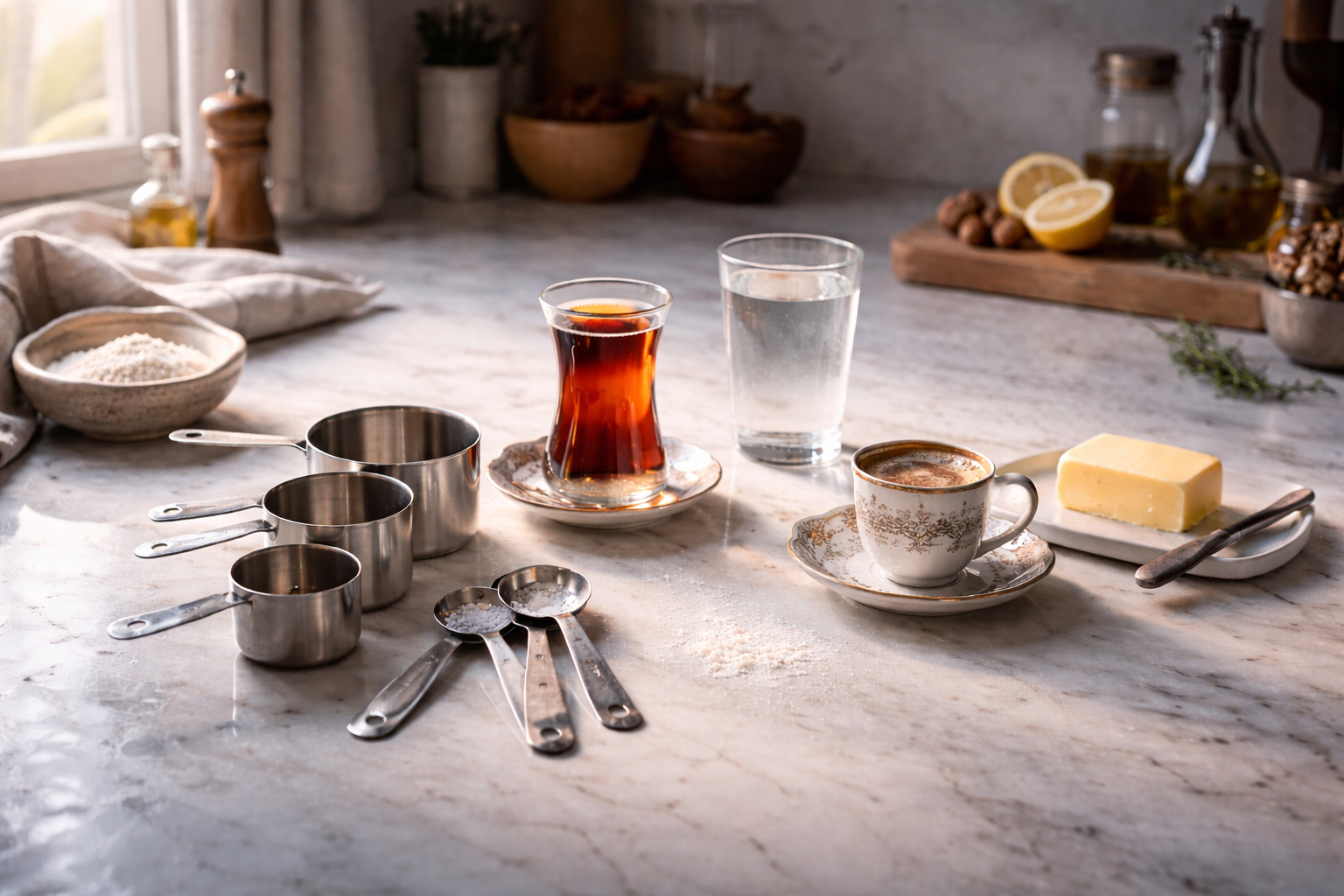
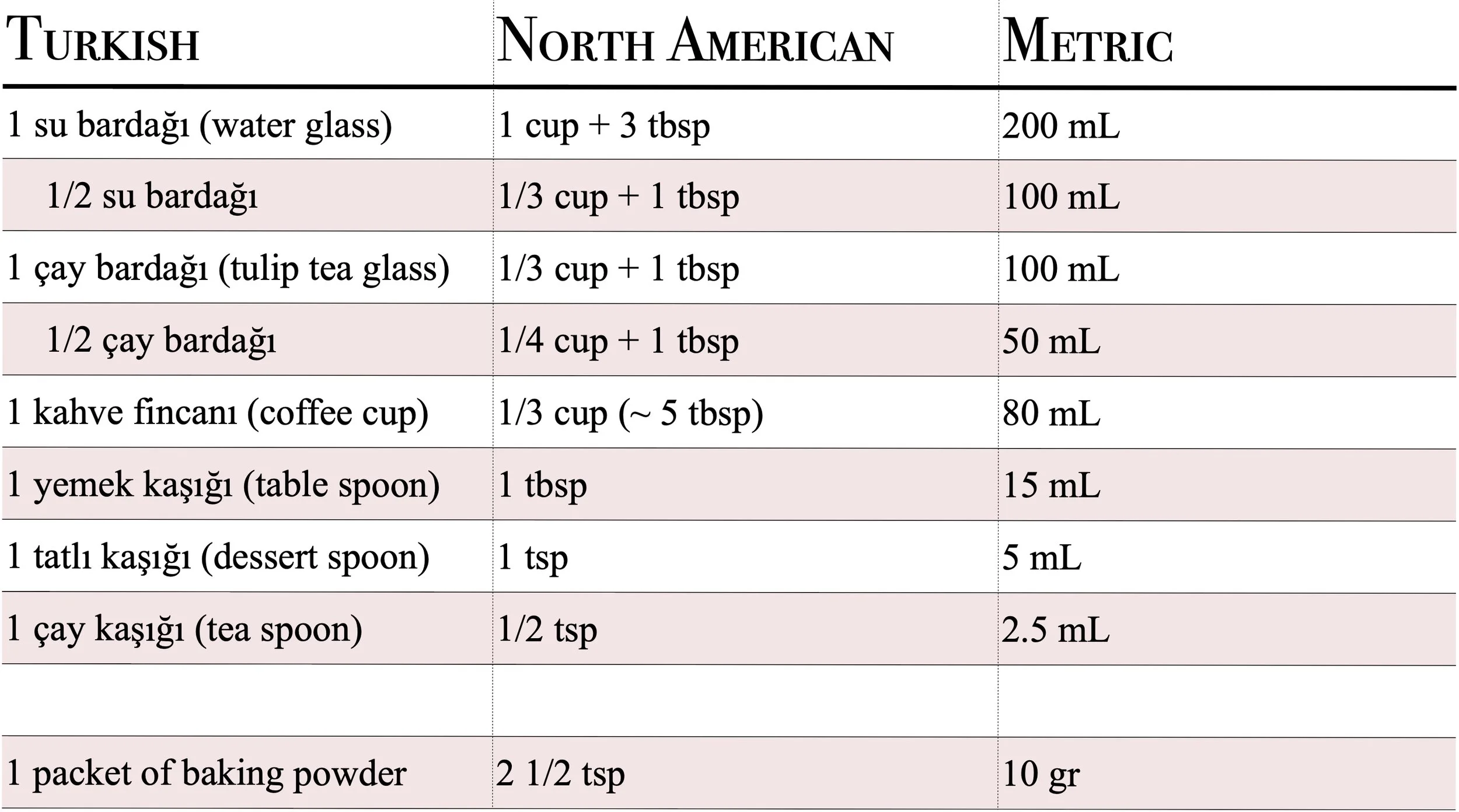
Turkish recipes typically use measurement tools found in most Turkish kitchens: tea glass, coffee cup, water glass, soup spoon, dessert spoon, and the small tea spoon. Many Turkish home cooks also rely on intuition, learning to recognize the right texture and consistency through experience.
This guide translates those everyday kitchen utensils into standard North American cups, spoons, and metric measurements to reliably use for most traditional Turkish recipes you’ll find online.
Şimdiden ellerinize sağlık!
Recipe Conversion Guide
Silme & Tepeleme
You’ll notice that some Turkish recipes describe silme [sihl-meh] or tepeleme [teh-peh-leh-meh] when giving spoon measurements.
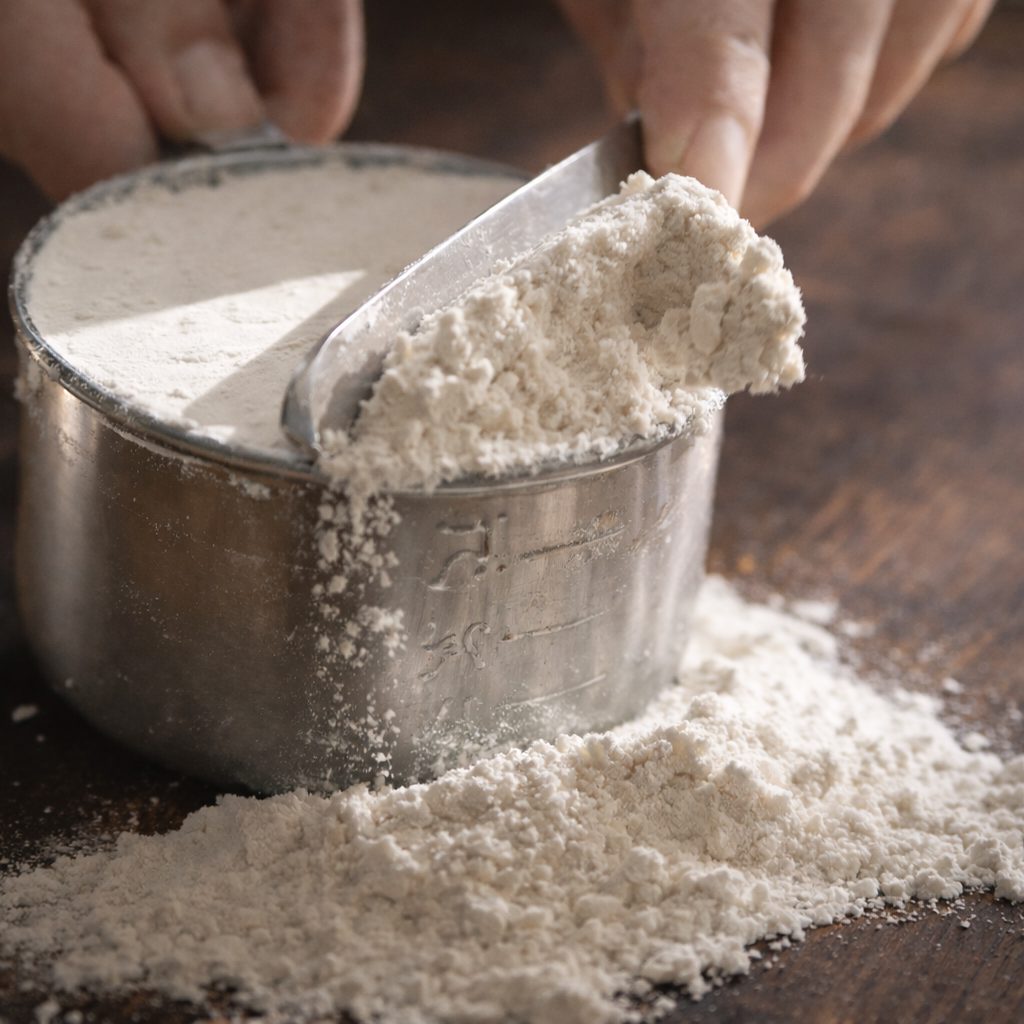
Silme derives from ‘wipe’ (i.e. with a flat edge, across the top of the measuring tool) and refers to levelling the ingredient on a cup or spoon.
Tepeleme means ‘heaping’, as in a heaping spoonful.
For example:
If the recipe calls for a silme spoon of flour, use the exact spoon/cup measure.
If it calls for a tepeleme spoon of flour, use 1.25-1.5x the level amount for good measure.
Tutam, Çimdik, Fiske
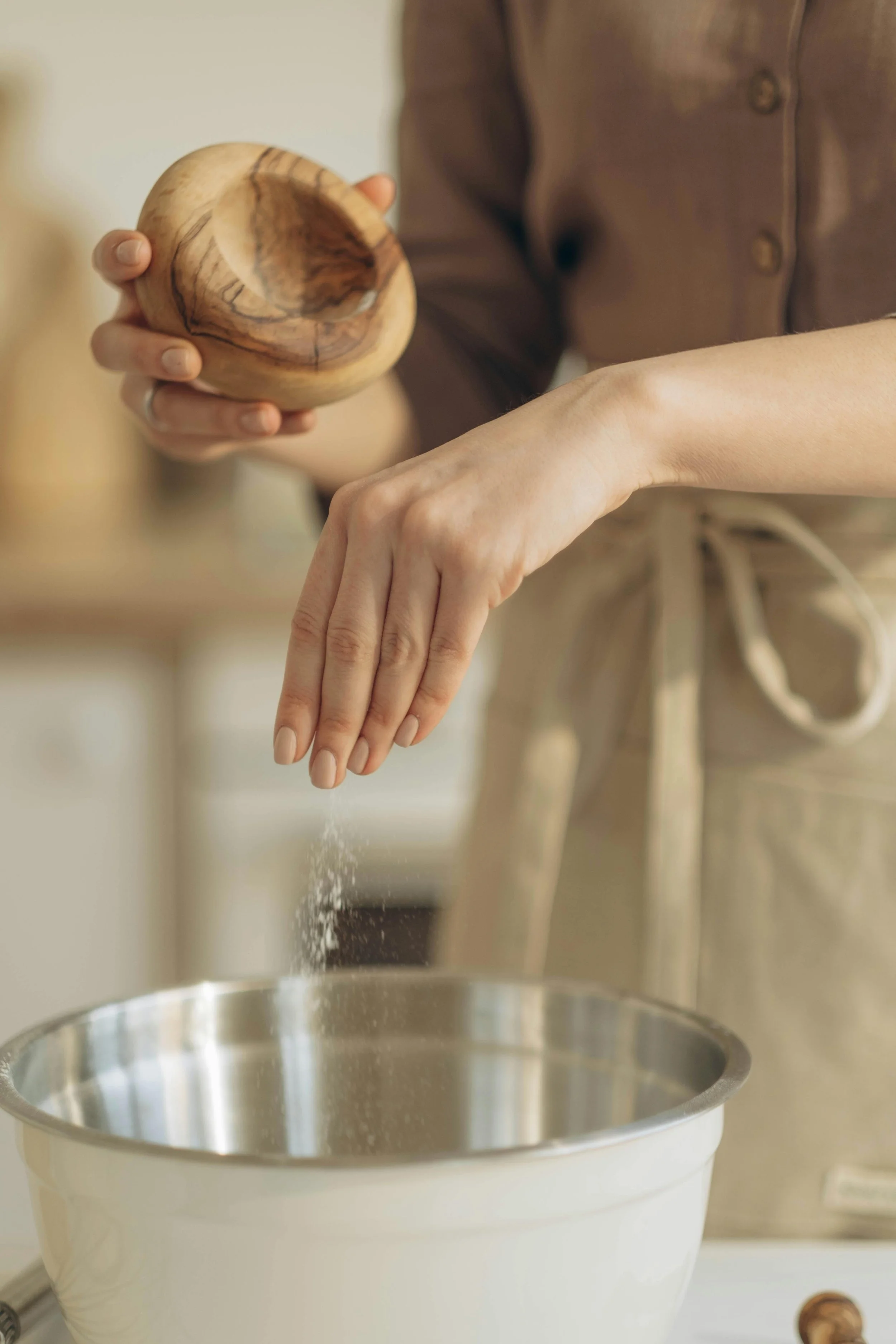
In many Turkish recipes you may see expressions like bir tutam[bihr too-tahm], bir çimdik [chim-deek], or bir fiske [fees-keh] instead of exact spoon measurements. These are fingertip measures, much like the English phrase “a pinch.” In practice, bir tutam is a 4-finger pinch, while bir çimdik or bir fiske usually means a tiny pinch that uses just the thumb and forefinger (≈ 1/4 tsp).
Like their English counterparts, these are flexible amounts meant to be added roughly by hand rather than measured precisely. They are described as such because the amount you can pick up in a pinch depends on the texture of the ingredient.
For example:
Bir tutam adaçayı (sage) can be 1/4 cup of leaves, where bir tutam tuz (salt) is about 1/2 tsp.
Avuç
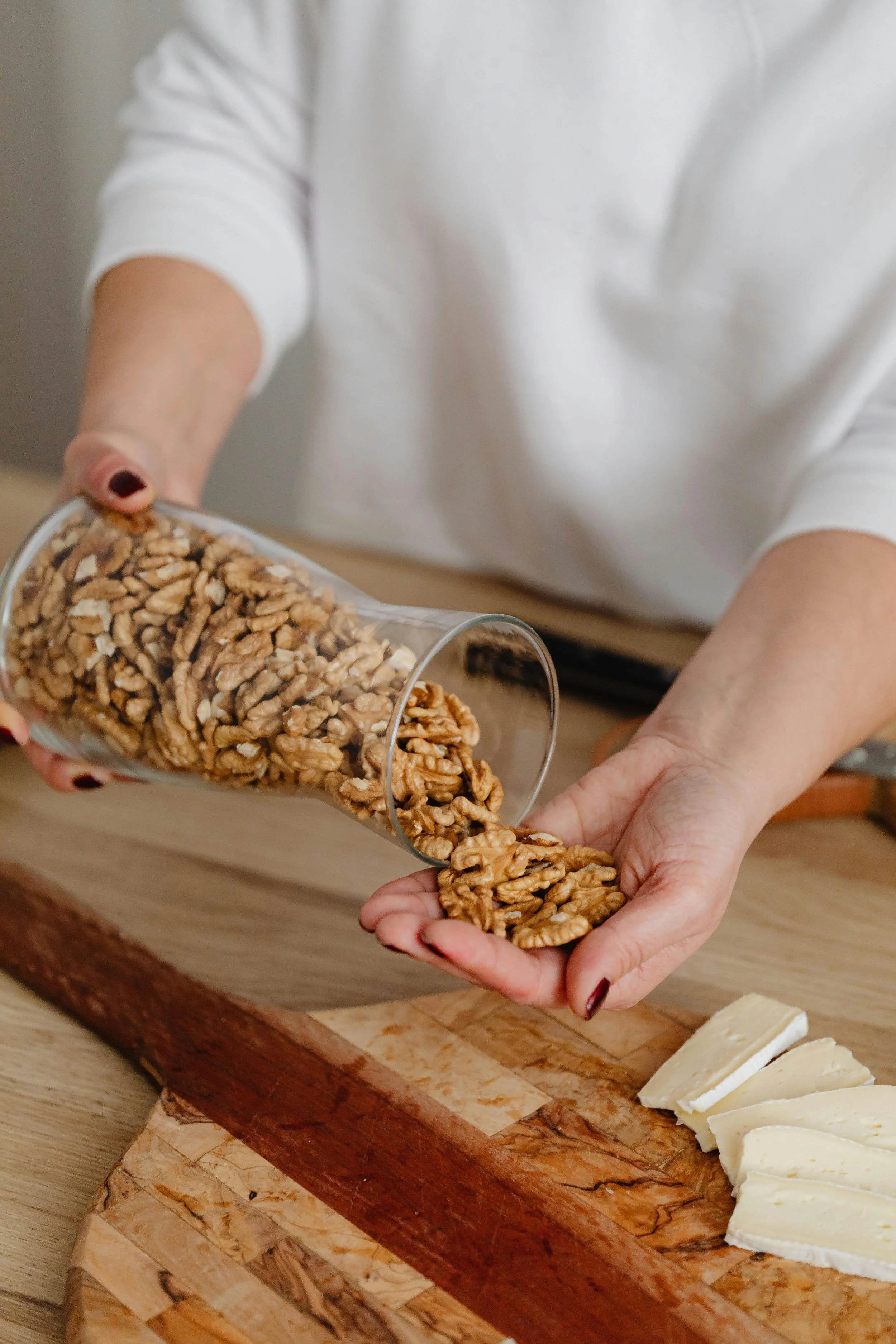
Bir avuç [bihr ah-vooch] simply means a handful, or the amount you can comfortably hold in one hand.
Like in English cooking, this isn’t an exact measurement and can vary depending on the ingredient and the size of your hand. It’s meant as a friendly, intuitive guide rather than a precise quantity.
For example:
Bir avuç ceviz is a handful of walnuts, which usually means about 1/4 cup.
UPDATE: We’ve been hearing that many of you are frustrated with butter measurements in grams in Turkish recipes. The typical butter sticks you find in Türkiye have gram lines (instead of cup lines) for measurement, which is why most Turkish recipes provide butter in grams. But, it can be annoying to have to take out your scale every time a recipe calls for butter, not to mention how annoying it is trying to eyeball exactly how much you need. Especially if you’re trying a new recipe.
We were going to leave it at utensils but butter deserves a chart of its own! So, here it is:

Butter Conversion Guide
* Density of Butter is 0.91 gr/mL. So, measurements in grams are often considered equivalent to mL.
Explore Authentic Istanbul Cuisine