Sunroot Olive Oil Braise | Zeytinyağlı Yer Elması
SUNROOT OLIVE OIL BRAISE RECIPE VIDEO ON YOUTUBE
Note: By clicking on this video, you allow third parties (YouTube and Google) to access your data. Visit our privacy policy for more info.
Root vegetables in the spotlight: Sunroot
Sunroot (a.k.a. sun choke, jerusalem artichoke, or earth apple) is a knobby, uneven root vegetable that’s a little stubborn to peel.
But once cooked, it softens into unexpectedly delicate delight. Lightly sweet, almost nutty, with a texture that sits somewhere between potato and celery root.
Root vegetables are often slow-cooked in shallow-braise style in Turkish and Anatolian cuisine. Olive oil, gentle heat, a bit of onion and garlic, and bright citrus lift everything just so. Istanbulites love these kind of olive oil braises because they cook the ingredients to perfection while preserving their natural flavours. The slow, shallow braising method in olive oil gives tougher vegetables the right conditions to ‘settle into themselves’, or ‘özünü çekmesi / kıvamını alması için’ as grandma puts it -meaning, to develop the right texture and flavour.
You can eat this dish warm or cooled, but it’s generally good practice to let olive oil dishes like this rest for about half an hour before serving so they keep their shape well on the plate.
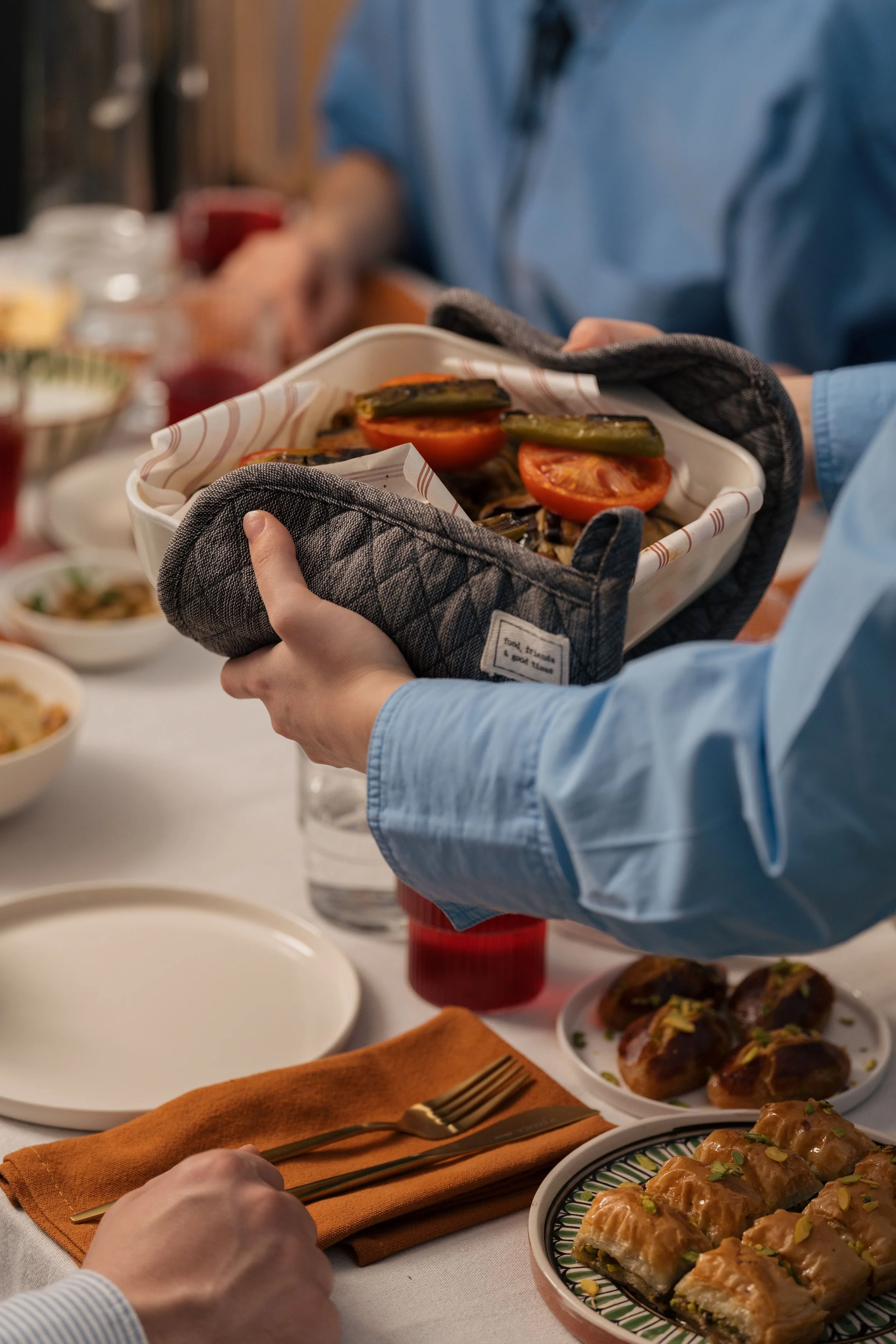
Zeytinyağlılar, or ‘olive oil dishes’ in Turkish cuisine are excellent sides to make in advance and add to mains throughout the week. They’re easier on digestion than raw salads. And they can even become light meals with a side of bread or yoğurt.
If you’ve never cooked sunroot before, this is one of the easiest recipes to start with. It’s simple, forgiving, and lets the ingredient shine. Make sure to cook on low heat.
Ingredients
800 g sunroot (Jerusalem artichoke / sunchoke), peeled
200 g baby potatoes, peeled
1 carrot (about 200 g), diced
1 orange (zest and juice)
1 onion, diced
3–4 garlic cloves, minced
⅓ cup olive oil
1 tsp sugar (optional)
1 tsp salt
1½ cups water
Directions
PREPARATION:
Wash and peel the carrot, then dice into small cubes.
Dice the onion and mince the garlic.
Peel the baby potatoes and place them in a bowl of water.
Peel the sunroots and cut each into evenly sized pieces.
Lightly round off the sharp edges of the sunroot pieces to help them cook evenly and keep their shape.
Place the sunroots in the same bowl of water to prevent browning.
Zest the orange (avoiding the bitter white layer), then juice it.
COOKING:
Heat ⅓ cup olive oil in a pot over medium heat for about 2 minutes.
Add the diced carrot and sauté for 3-4 minutes, until the colour begins to release into the oil.
Add the onion and garlic, sauté for 2 minutes until softened.
Pour in 1½ cups water and the orange juice. Bring to a boil and cook for 3 minutes.
Drain the potatoes and sunroots, then add them to the pot.
Add 1 tsp salt and 1 tsp sugar (optional).
Cover and reduce heat. Once it comes back to a boil, add the orange zest.
Cover again and cook for 8-9 minutes, until the sunroots are tender but still hold their shape. You’re looking for a light, clear broth and vegetables that remain distinct.
SERVING:
Let the dish rest for 20-30 minutes before serving. This allows it to cool down just enough to eat comfortably, makes the aromatics more fragrant and textures of the ingredients more distinct.
Like any olive oil braise (zeytinyağlı), you can serve this dish warm as a light meal, or fully cooled as a side for a hearty meal.
Keeps in the fridge for up to a week.
Afiyet olsun!
[Notes from the Kitchen]
On shaping the sunroots
Irregular edges soften quickly and can break down during cooking. Gently smoothing them helps keep the dish looking clean and elegant.Pre-cooking water bath
Both potatoes and sunroots can oxidize quickly once cut. Keeping them in water preserves their colour and texture (and nutrition, though marginally) until cooking.Orange, not lemon
Orange gives a softer kind of citrus brightness that complements the natural sweetness of the sunroot without sharpening the dish too much.
We use lemon for other olive oil braises like leeks and okra (made with or without meat) where the main ingredient has a heavier flavour profile.Texture
Sunroot, when cooked well, should be tender but never mushy. Sautée the onions and garlic as you normally would, but bring the temperature way down for the main cooking. If the heat is low enough, you’ll see some bubbling but the dish won’t overflow with the lid closed, and it should be ready in about an hour. For your first time making a dish like this, keep an eye (or your nose) on it to gauge the cooking time for your stove. See the recipe video for a visual guide.