
Spring Recipes: What to Make With the Season's First Comers?
Spring is a bridge season: the first tender greens and shoots begin to appear while winter keepers such as roots, onions, and cabbages are still hard at work in the kitchen. That is why spring cooking can feel unclear at first, but also why it can become one of the most useful seasons to understand.

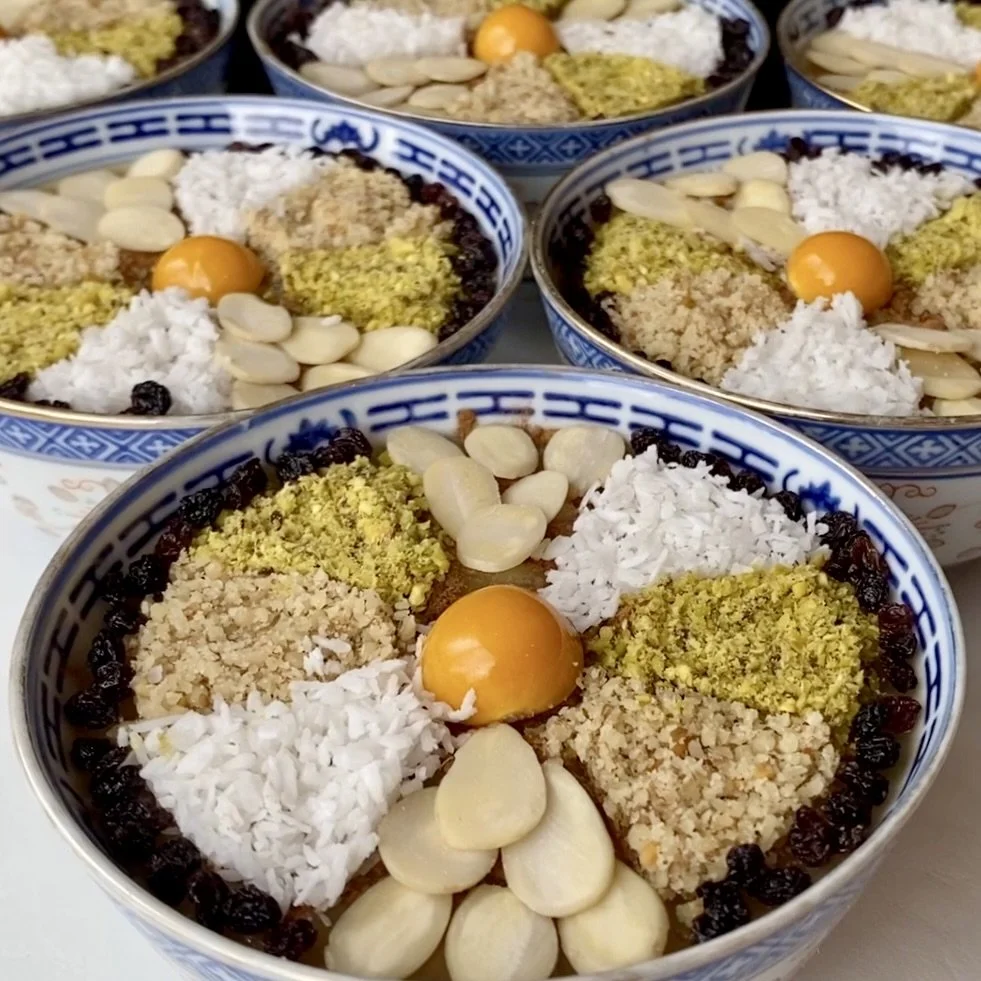
LILAC
One of the first and most fragrant flowers of spring, lilacs are used for syrups, sherbets, and teas, offering gentle aromatic and calming qualities. Recipe: Lilac Sherbet
Seasonal eating reduces decision fatigue, improves depth of flavour, helps you shop more sensibly, and brings a little more structure back into everyday cooking. For a full province-wide list of what is available (and when), Foodland Ontario’s availability guide is one of the most practical references to keep on hand.
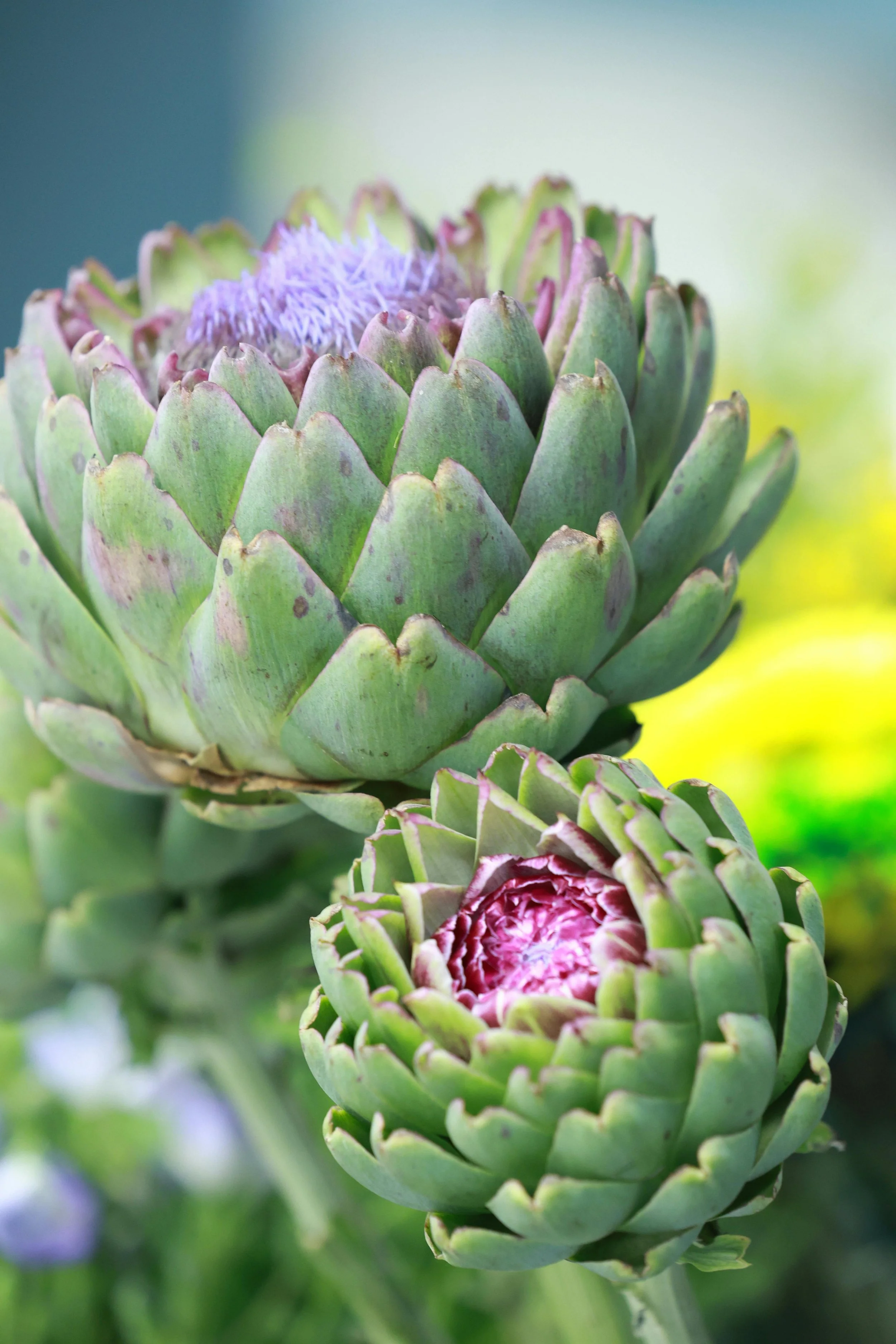
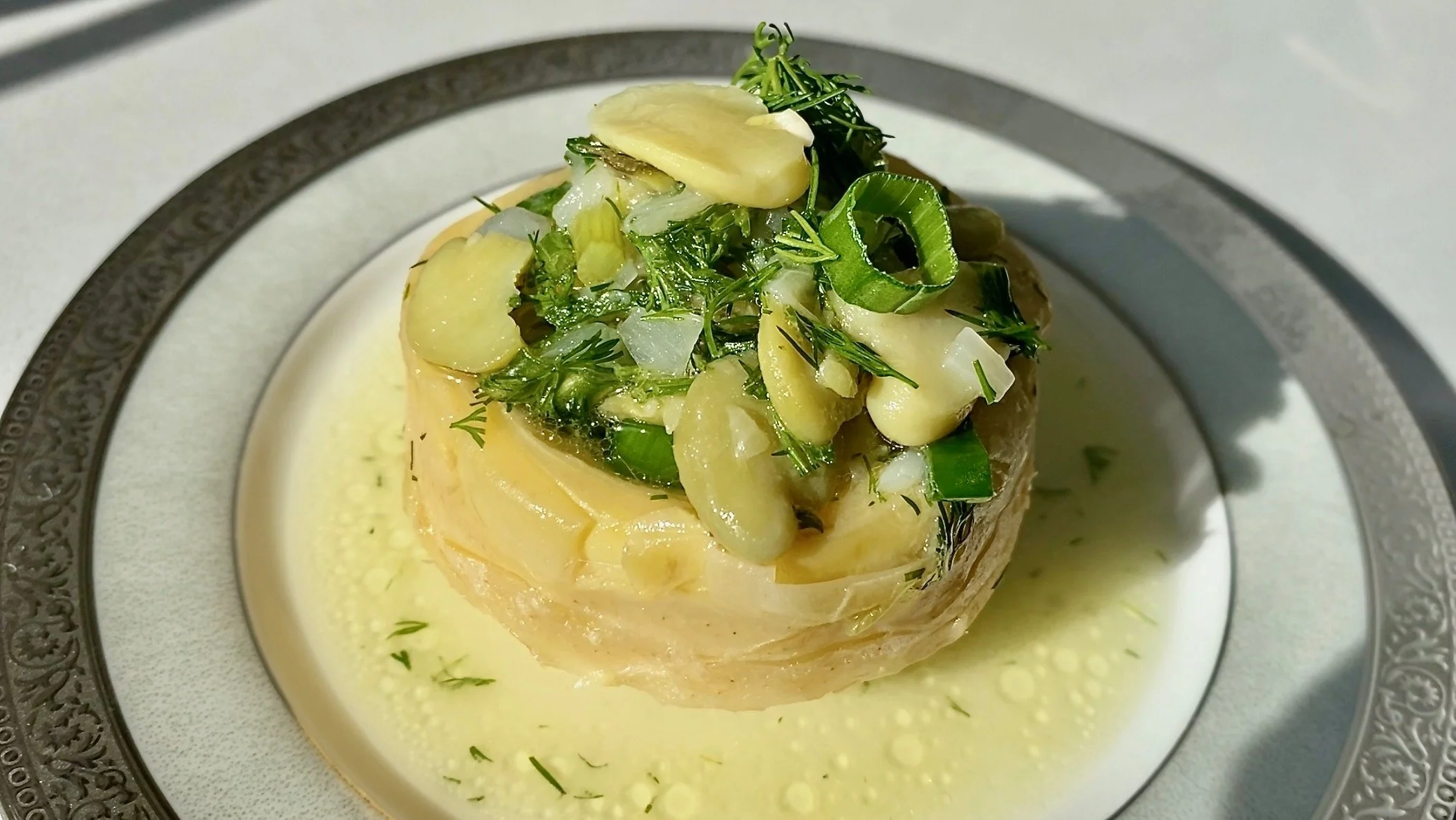
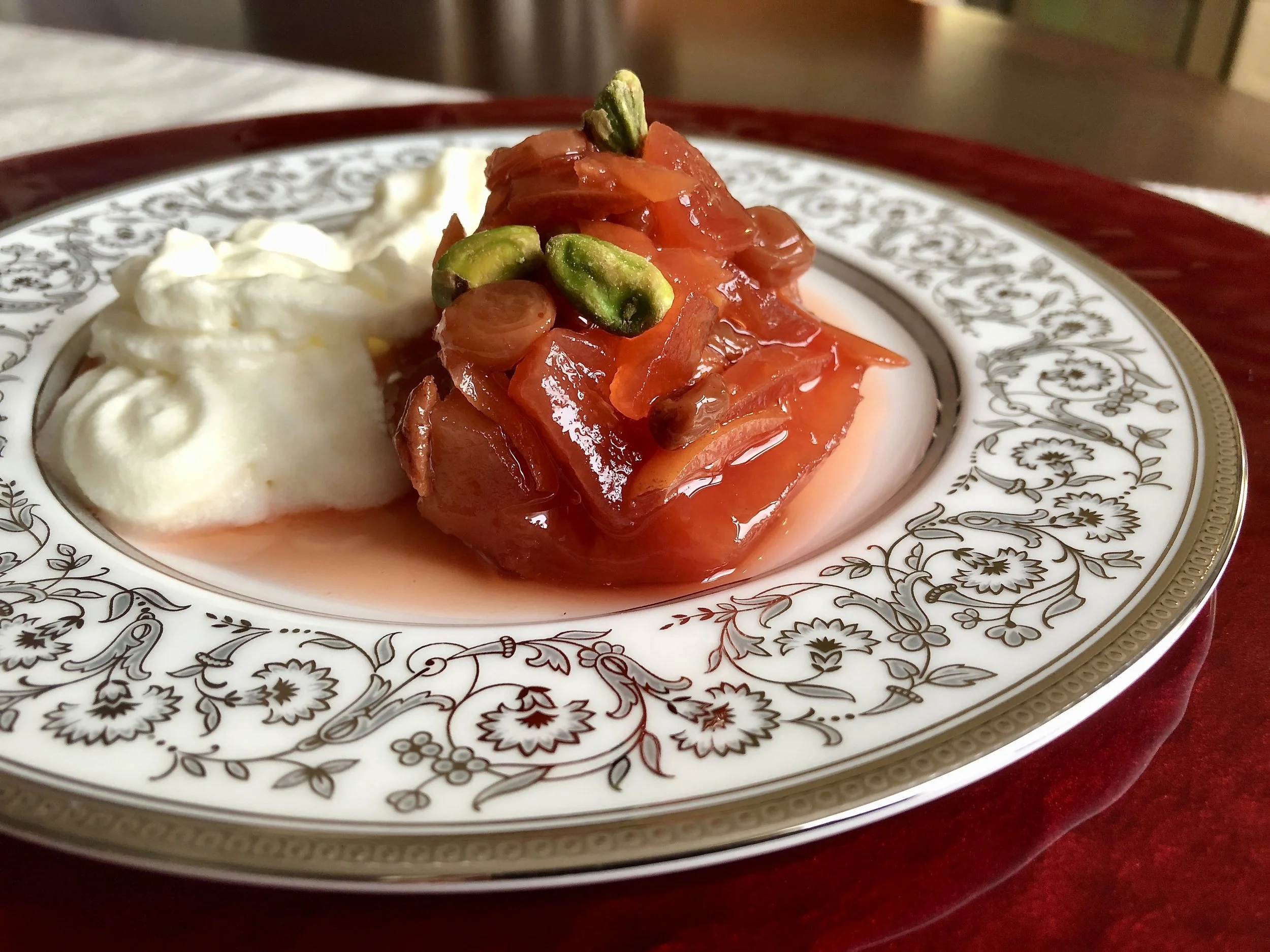
ARTICHOKE
Spring is peak season for artichoke, when they’re tender and sweet. They support digestion, fiber, and liver health.
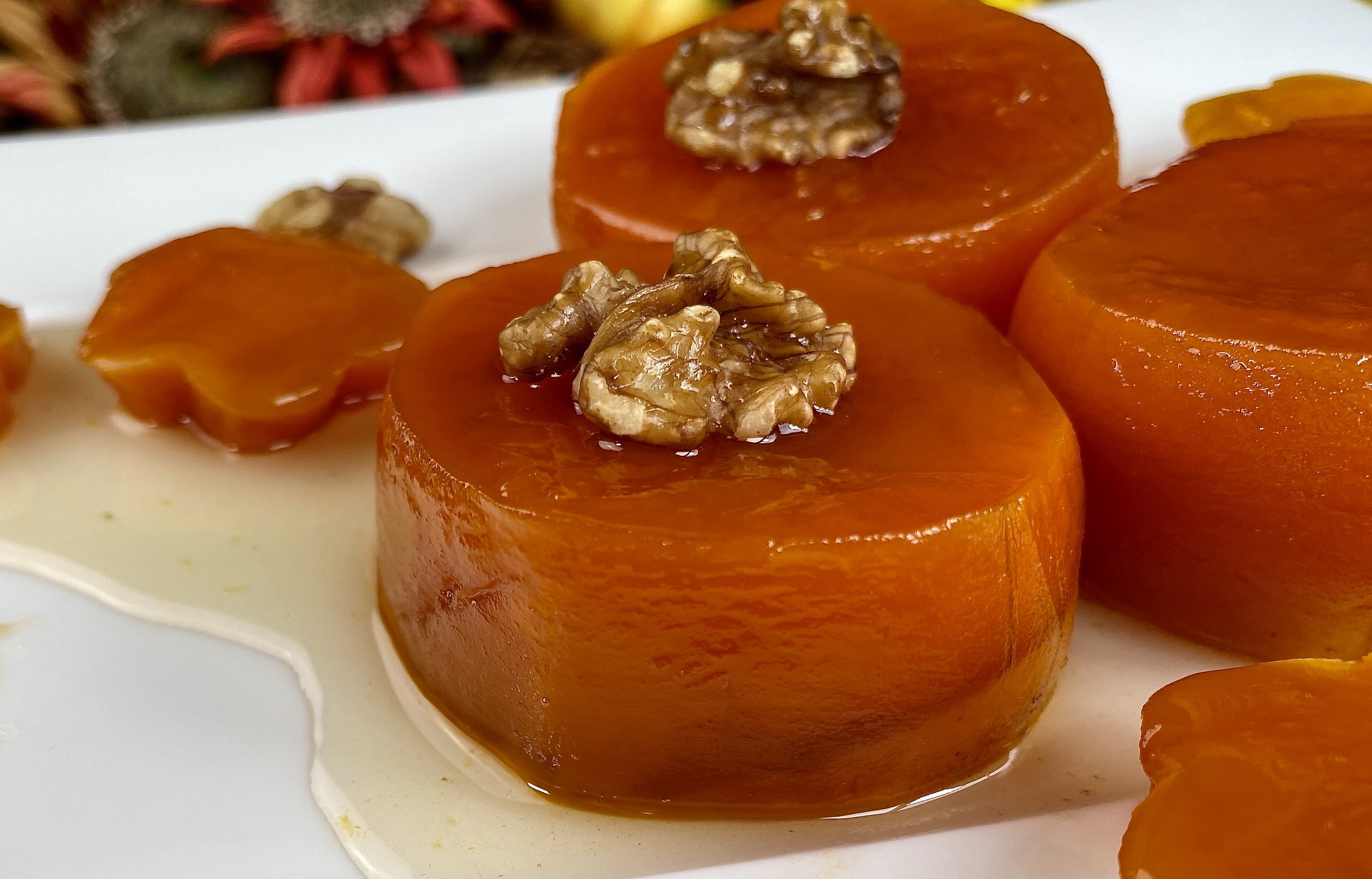
Recipe: Urla-style artichoke dessert
Spring Produce Snapshot
If all you want is the grocery list, here it is.
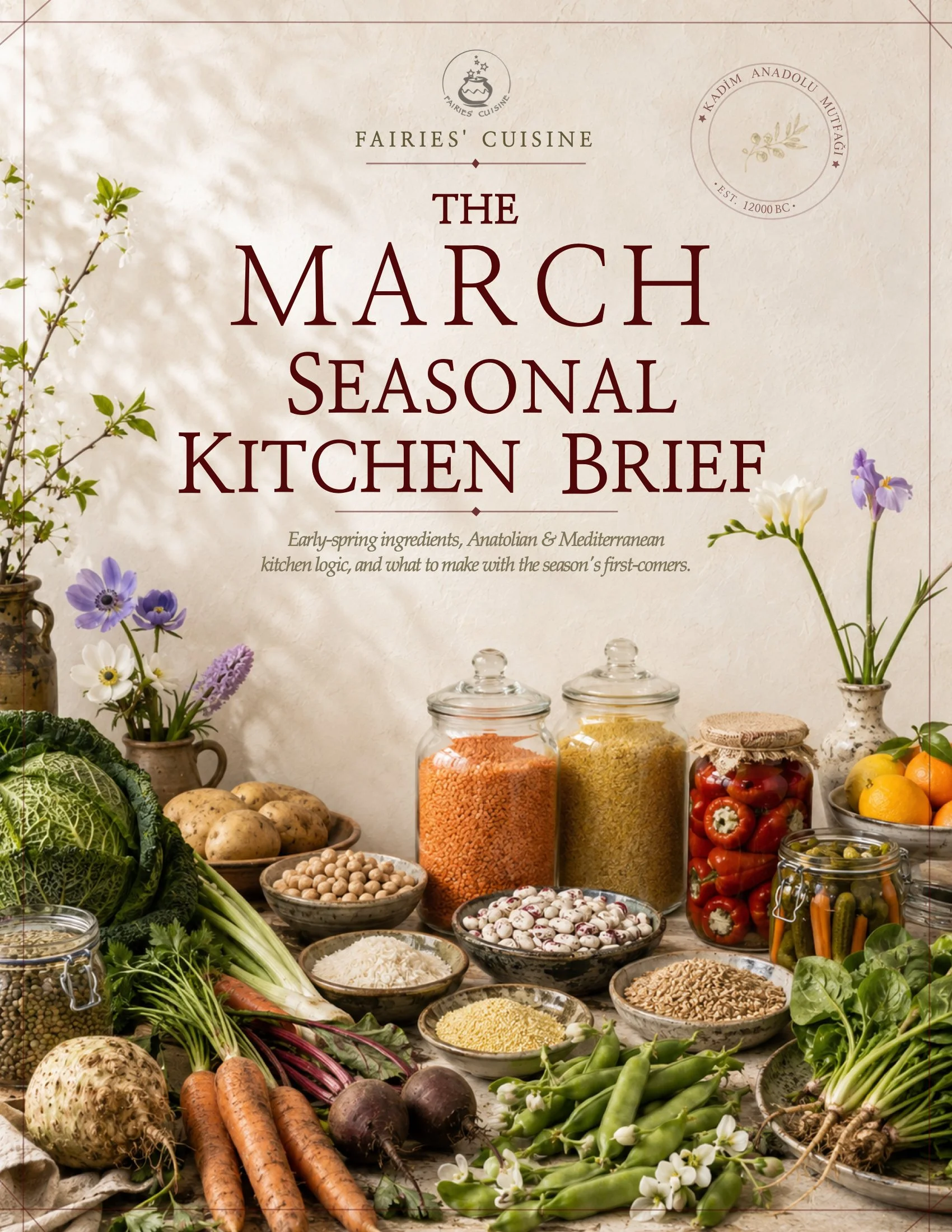
Look for these new comers in Spring:
artichoke,
asparagus,
spinach,
radishes,
peas,
fava/broad beans,
rhubarb,
leeks,
green and spring onions,
wild herbs,
edible flowers,
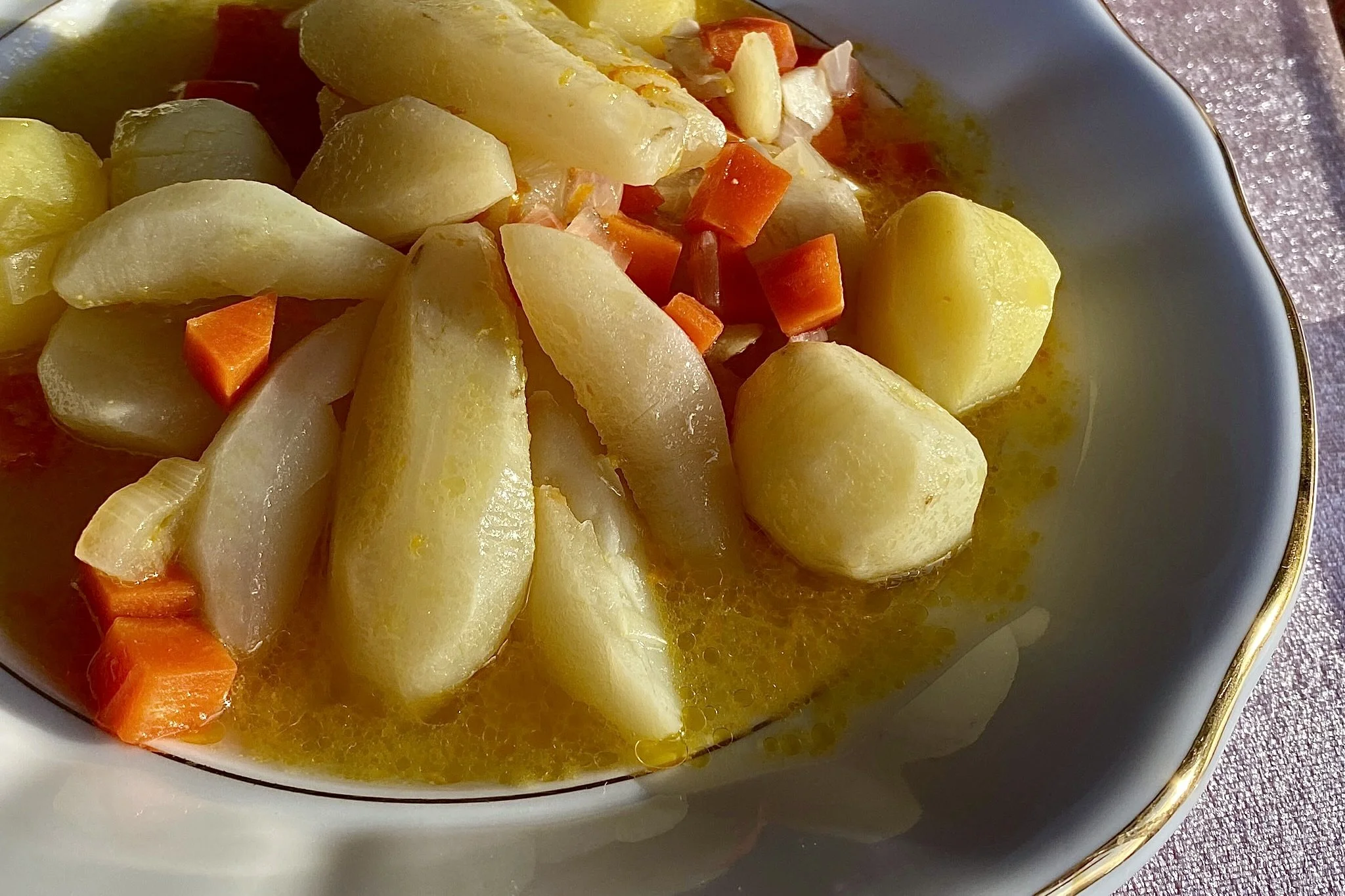
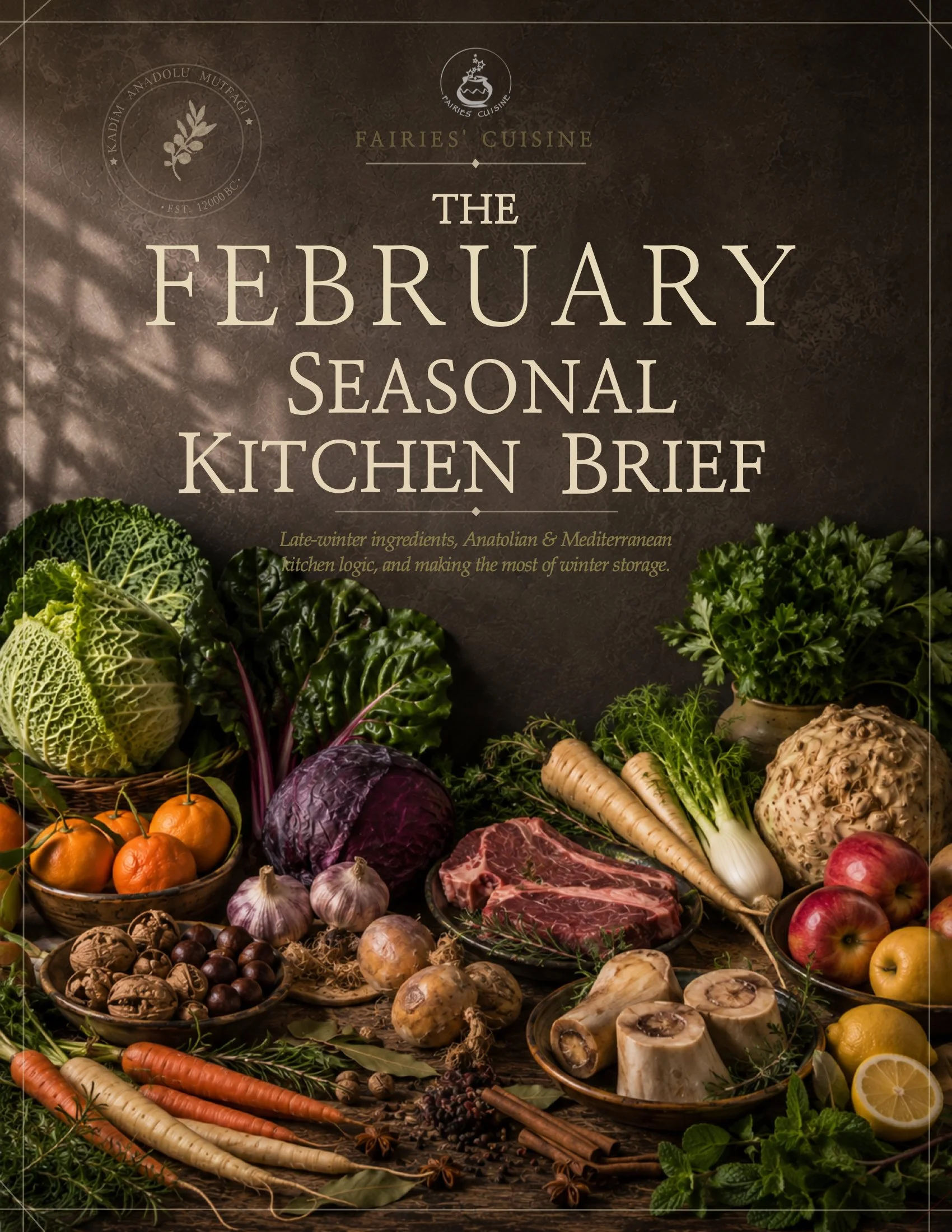
But don’t yet give up on the hardy keepers from winter storage:
carrots,
beets,
potatoes,
onions,
apples,
parsnips,
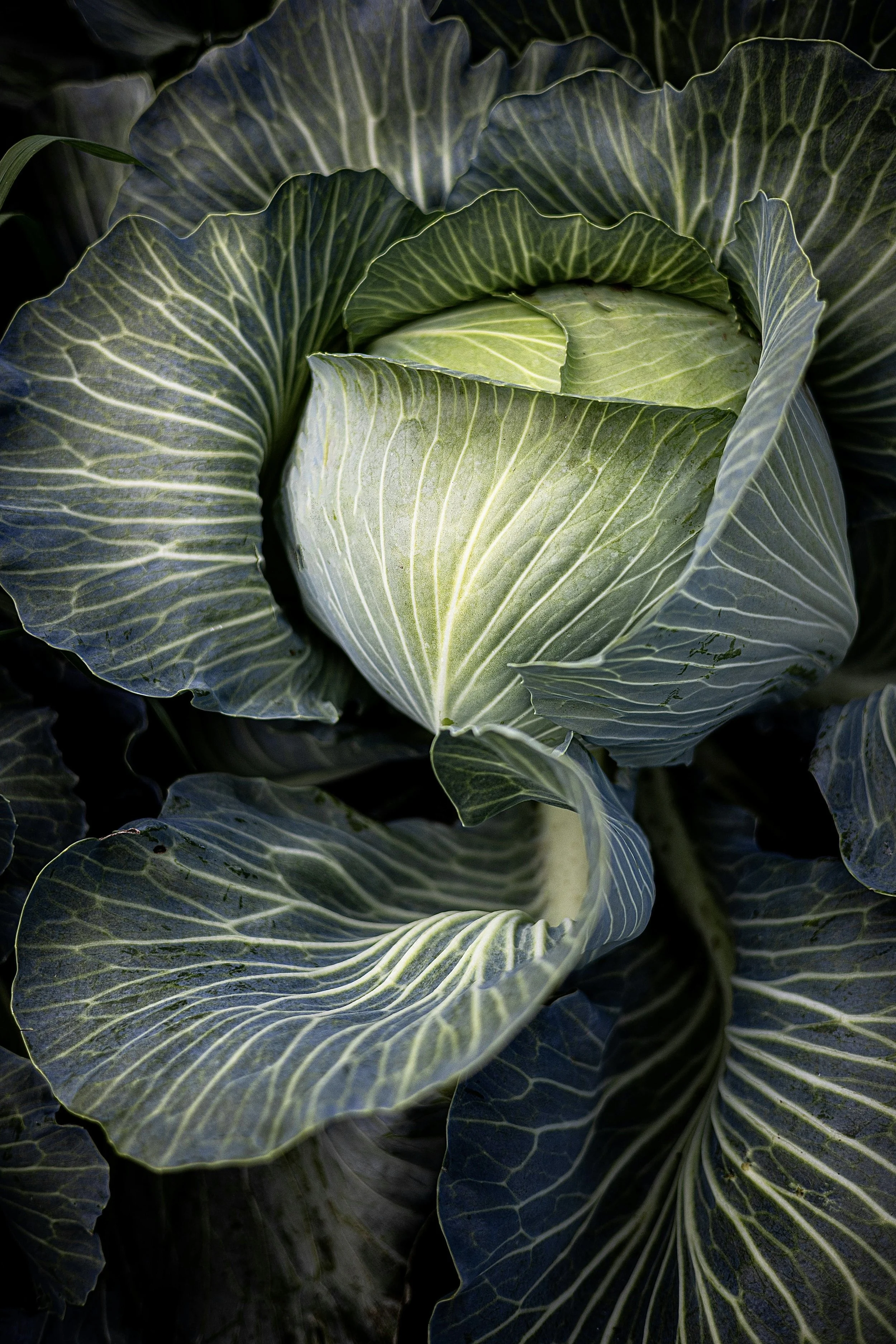
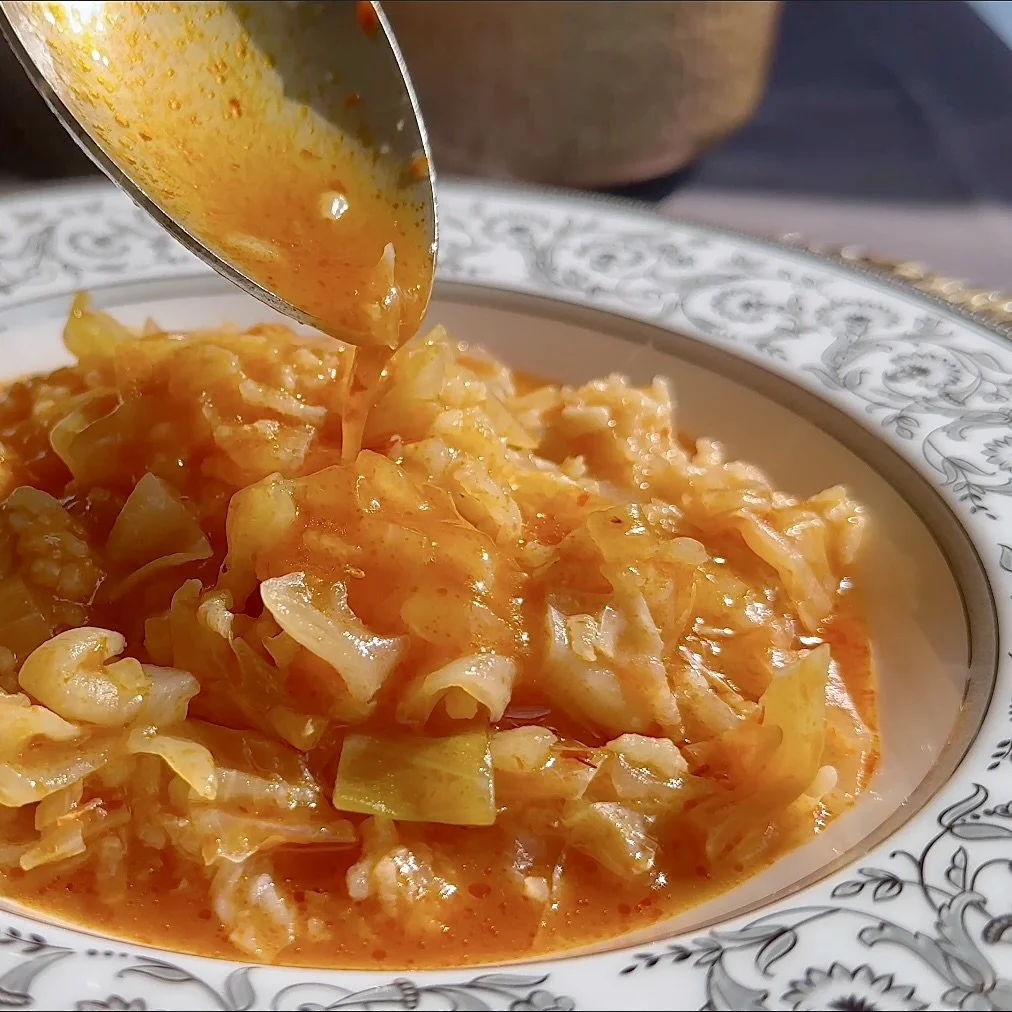
hardy cabbages
You do not need to memorize a heroic list of produce to cook seasonally. Just learn to recognize a modest group of ingredients that pull a great deal of weight.
First Comers and Keepers
It’s tempting to expect spring to replace winter in one clean sweep, but early spring is an overlap season. Stored winter crops are still useful and widely available while the first tender produce begins to appear.
In Ontario, official seasonal guides show that spring includes both early arrivals and overwintered staples rather than a completely new landscape all at once. Foodland Ontario’s availability guide reflects exactly this kind of overlap, with items such as asparagus, spinach, radishes, rhubarb, greenhouse vegetables, apples, onions, carrots, cabbage, potatoes, and other storage crops all appearing across the spring window.
Gentle transitions are what spring is all about!
Expanded Produce Guide
Once you understand that, the season becomes easier to cook from. A meal built from one bright new ingredient and one dependable keeper is not a compromise. It is spring, properly understood.
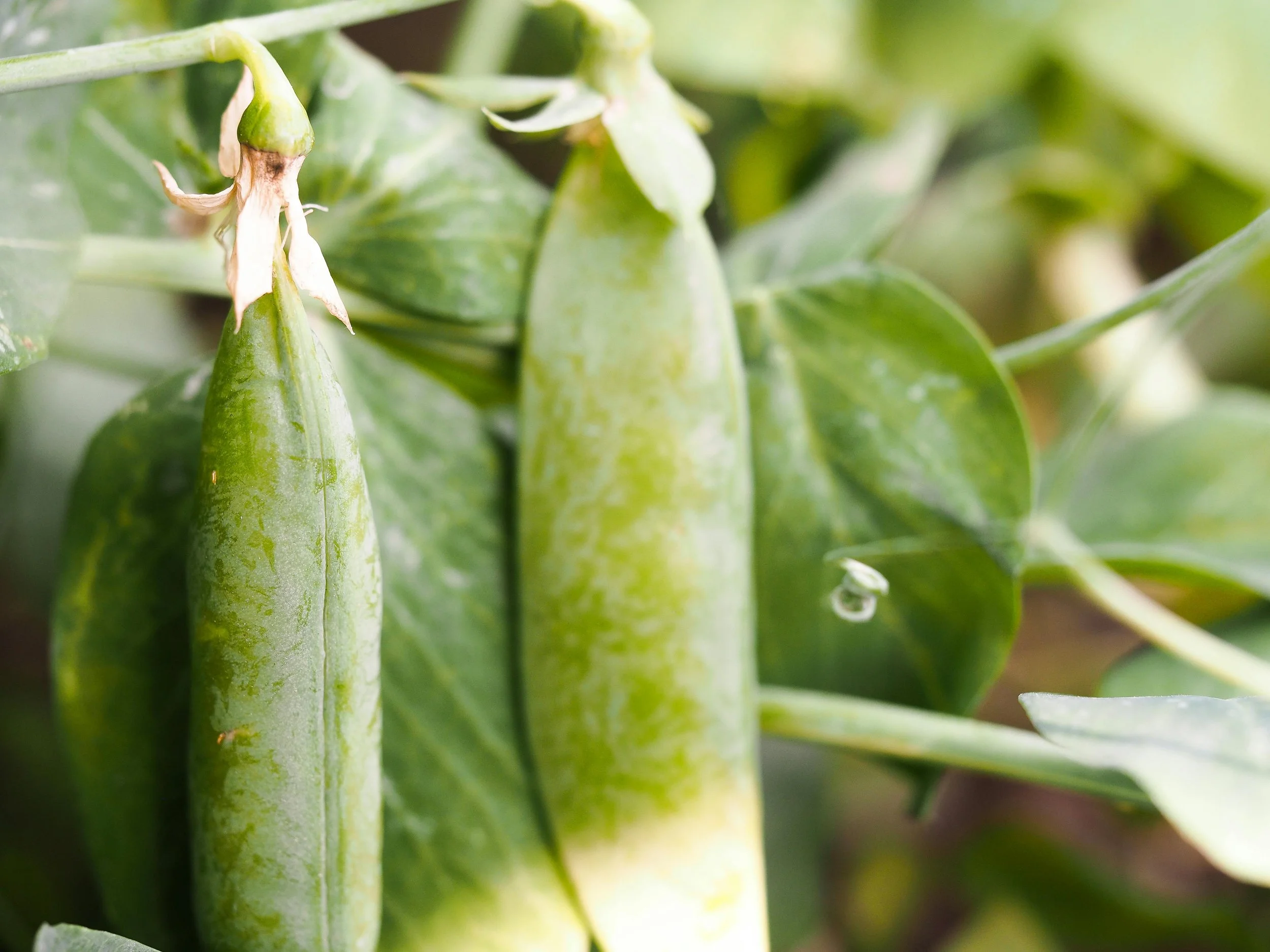
GREEN PEAS
Crispy, sweet, and tender.
They offer fiber, vitamin C, and protein. Lightly sauté with onions or have them fresh off the vine.
Recipe: herby spring peas on YouTube
Asparagus is one of the better-known heralds of spring. It is easy to cook and pair.
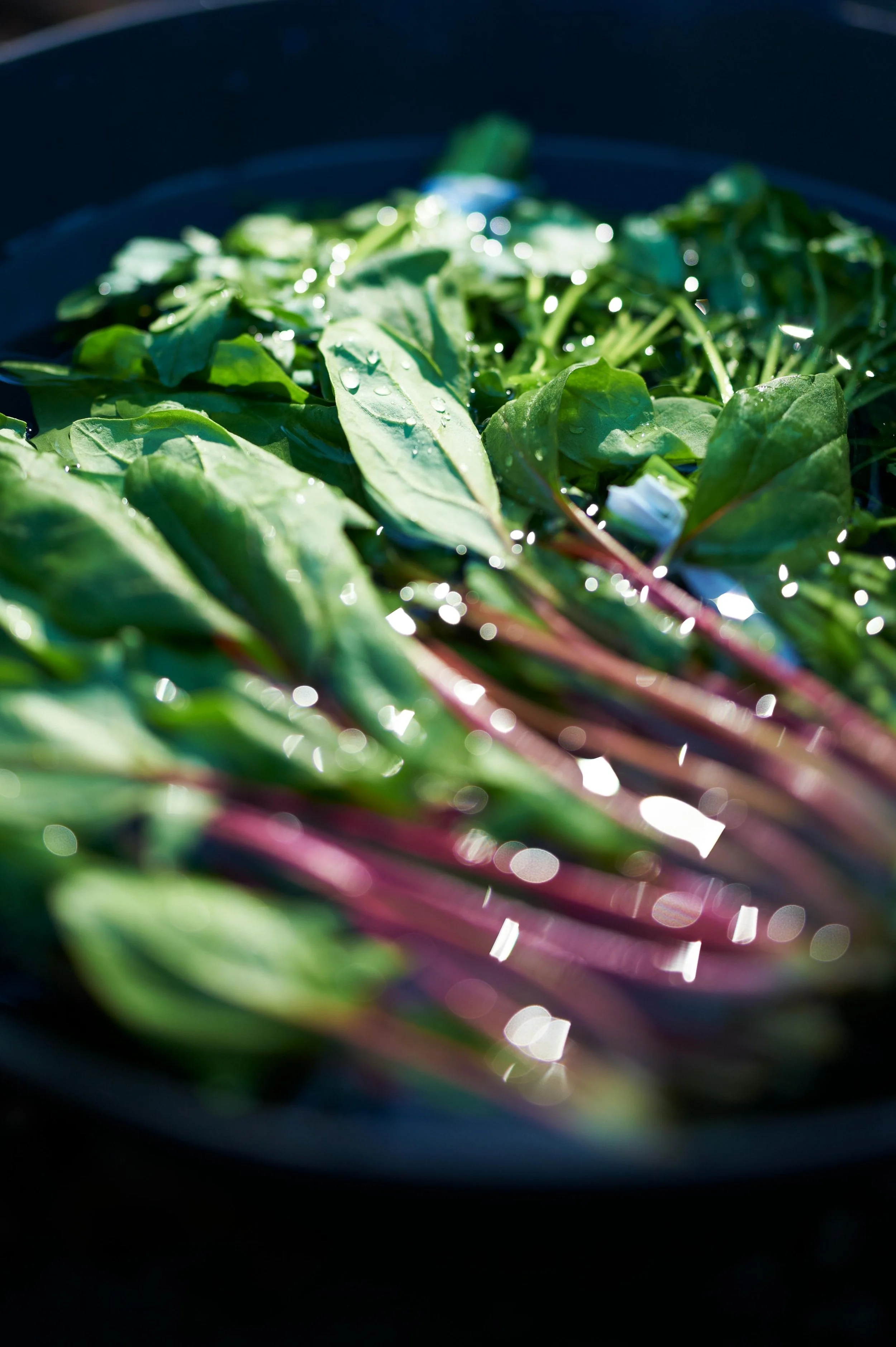
Spinach is a magical plant that’s one of the first to arrive in spring, yet last to leave in winter. Spring spinach is very tender, but versatile enough to use in soups, braises, savoury pastries, sautés, and even breakfast dishes.
Artichokes are a perfect spring ingredient for a transitional kitchen: elegant, seasonal, and adaptable to both warm and olive oil-based dishes.
Fava (broad) beans are a labour-of-love ingredient, but one that marks the season beautifully when you want something fresh but also satisfying.
Peas, whether you buy the shoots, the pods, or the shelled peas, bring a sweetness that feels distinctly like spring.
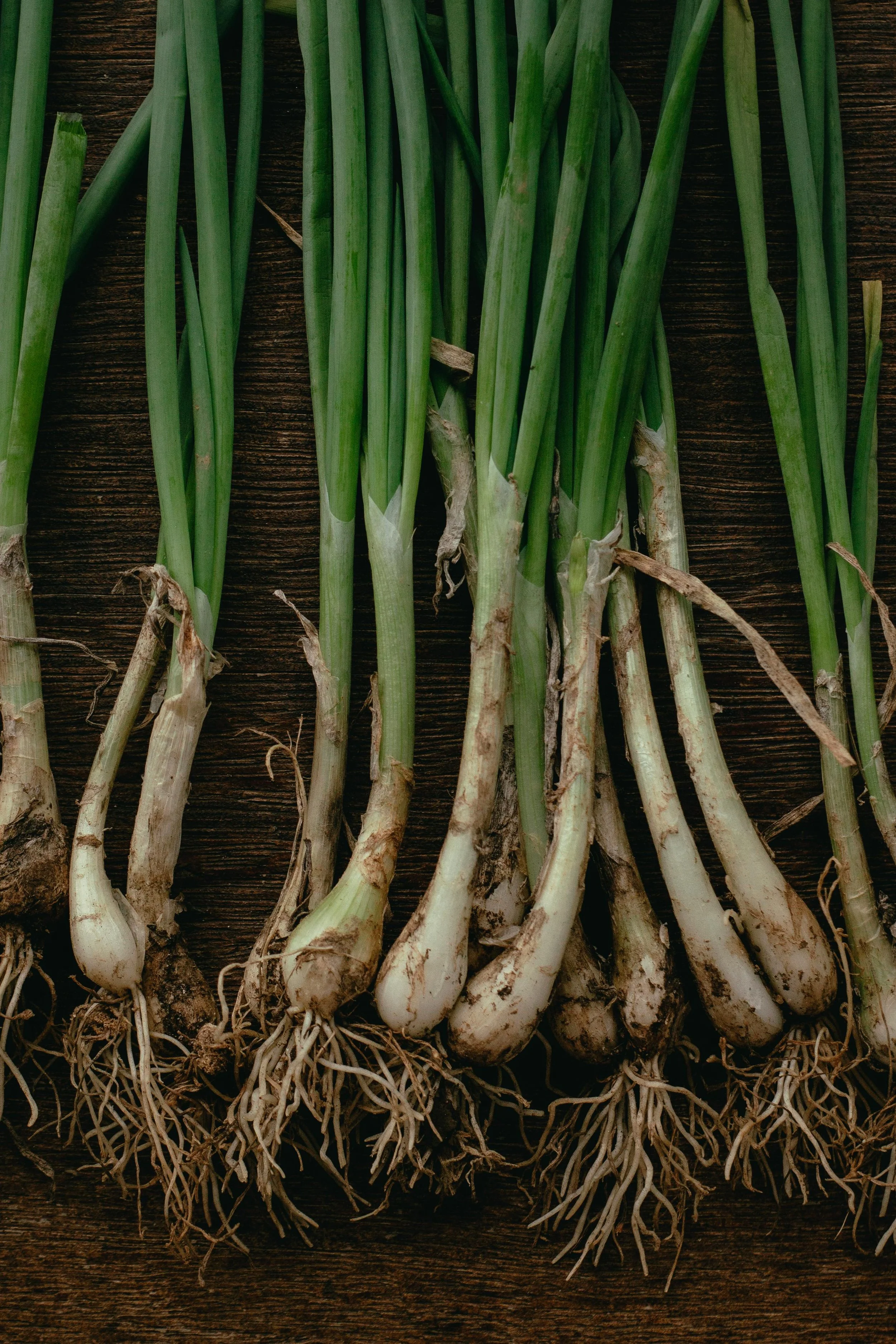
GREEN & SPRING ONIONS
Among the first arrivals of spring, they’re crisp and milder. They aid digestion, add depth to recipes, and provide vitamin K and antioxidants.
Radishes are good raw, pickled, or lightly cooked, and their greens can also be useful when fresh and tender.
Rhubarb is one of spring’s sharpest and most welcome flavours, commonly used in jams and desserts, but surprisingly versatile in light vegetable dishes.
Leeks, green onions, and spring onions sit right at the intersection of spring freshness and practicality. Although mild compared to their winter counterparts, they still provide depth and a lightly sweet flavour to cooked dishes. As one of the oldest cuisines of Eurasia, onion (the Allium family) is a fundamental pillar of Turkish cuisine. Spring varieties are a must-have in dishes like Otlu pide*, and are used in most spring dishes when dry (winter) onions are scarce.
Fresh mint, dill, purslane, parsley, thyme/oregano, lilacs, sakura, peonies, and other spring botanicals can shift the whole mood of a home.
The keepers still worth buying are not leftovers from the wrong season. They are part of the season’s real architecture.
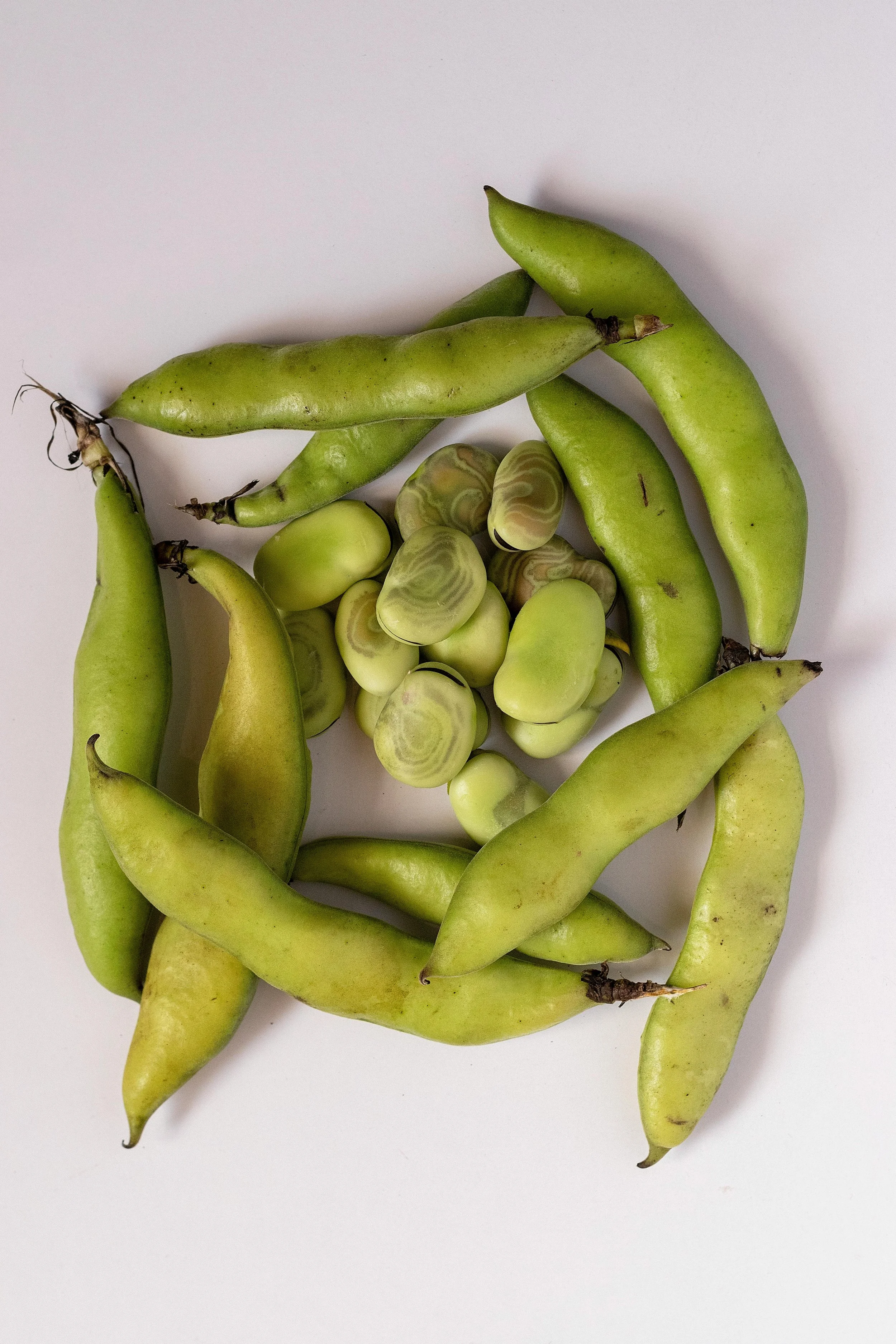
FAVA (BROAD) BEANS
The bean pods are tender and spongy in the spring, while the beans are slightly sweet.
They provide lots of protein, fibre, and folate for steady energy.
Recipe: Istanbul-style broad beans on YouTube
Whole Plant Usage
One of the best ways to make spring cooking feel richer without buying more is to use more of what you already brought home.
A single plant may offer leaves, stems, bulbs, roots, peels, pods, or flowers that can be used differently. This matters practically, not just romantically. Global food-waste research has long shown that a substantial share of food waste happens downstream, including at household level, and edible parts are often discarded simply because people no longer know what to do with them (Food and Agriculture Organization [FAO], 2011). When you use the greens of a radish, the tops of a carrot where appropriate, the fragrant parts of herbs, or the peels and stems that still have culinary value, one purchase stretches further.
Spring’s abundance comes from the possibilities hidden in what (little) is available. It is the season of awareness, a time to awaken the senses and recognize potential.
Most people can name summer ingredients with little effort, but spring often brings a sense of vagueness into the modern kitchen. Even though there’s plenty to cook, modern grocery systems camouflage seasonal logic with imported produce, greenhouse produce, storage crops, and local seasonal ingredients side by side. When winter roots, early greens, and summer fruits all appear together, it becomes impossible to gauge time and place.
So when people start repeating the same three meals in March, April, and early May, that is not a personal failure of imagination. It is what happens when the environment no longer makes seasonal structure easy to see.
Why Seasonal Eating Still Matters
Which brings us to a great question: why bother noticing any of this at all?
Seasonal eating is often discussed as a moral choice in an environmental context, but its everyday value is much more practical than that. It narrows the field. Meaning fewer decisions, simpler shopping lists, and a better chance of buying ingredients at best flavour and price.
Unless it is frozen or in some other way processed to reduce biological activity, produce that is to be shipped across seasons needs to be picked before it has fully ripened. This is done to minimize spoilage during transport and storage, but it also means the fruit didn’t have enough time to mature by absorbing all the nutrients it needs. Seasonal produce is local produce. The closer the better. Not only is seasonal produce more fresh and nutritious, it’s also budget-friendly because it doesn’t need to be transported over long distances or kept cool for days. The rise in local supply as produce comes into season also reduces prices. Foods become easier to find and often more economical. So, seasonal eating is a very useful household strategy.
Simply put, seasonal eating, at its best, reduces friction.
Spring Body and Traditional Systems
And the body, inconveniently enough for modern food culture, tends to notice friction.
Traditional food systems noticed long ago that the body doesn’t want the same things year round. In systems such as Ayurveda and Traditional Chinese Medicine, spring is often associated with lighter, fresher, and more digestible patterns of eating as the environment changes. These traditions are not the same as modern nutritional science and should not be collapsed into it. Still, the broader observation is not irrational. Research in nutritional ecology supports the idea that living organisms, including humans, adjust eating patterns in relation to availability, needs, and environment, an idea explored through the framework of nutritional geometry (Simpson & Raubenheimer, 2012).
Seen this way, spring eating is not at all a dietary reinvention. Rather it is an instinctive way of life that is now mostly accessible through traditional practices.
Why Spring Feels Confusing
If that adjustment feels oddly difficult, the problem is not that spring is obscure. It is that we are often trying to read a season in a place designed to flatten it.
So when people stand in front of a fully stocked produce display and somehow feel less certain rather than more, that makes perfect sense. Spring has fewer signals than summer, but they are often more useful ones: the first green shoots, the return of herbs, the sharpness of rhubarb, the arrival of asparagus, the continued steadiness of roots and onions, the meeting of brightness and practicality on the same table.
Once you learn to read those signals, the season stops feeling so vague. Also, spring produce becomes much easier understand if you can stop expecting summer abundance to arrive at once.
What to Buy First
At that point, it becomes much easier to shop without behaving as though dinner must be rediscovered from scratch each afternoon.
A simple spring shopping structure is enough: a couple of fresh seasonal greens, one root vegetable, and your choice of protein. This kind of narrowing helps keep the daily decisions simple without unnecessarily sprawling.
So rather than asking, “What should I cook this week?” maybe look for: What is new at the market, and what is still keeping well from winter that you can use to tread lightly into spring?
Closing
Wouldn’t it be easier to follow an ever-green pattern than to dig for inspiration every day as though it had hidden itself on purpose?
We often talk about the practical ways of nomadic peoples. Turkic people have, for thousands of years, followed nature’s lead. Rather than building rigid walls or otherwise trying to stop the forces of nature, they would follow nature’s lead. If seasonal eating is like following the path of a river, searching online for a new recipe every day is like digging a well every time you need a drink. Follow the river, and you’ll seldom have to think about where to get your water.
And that, in many ways, is the spirit of the system we are developing: to make dinner decisions feel less like digging though themed and more like taking a stroll along the river.
*Otlu pide [oht-loo, pea-deh] is a classic spring dish made with as many spring greens and edible weeds as you can find, chopped and stuffed into flat bread with a creamy egg-yogurt sauce, baked till crisp and shared. It is one of the first dishes made in spring. Some Turks consider making spring dishes with the first wild greens (like otlu pide) a Nevruz tradition to celebrate the rebirth of nature.










"A true hidden gem...very well done"
〰️
"So underrated, I thought you had a million subscribers"
〰️
"Thank you for these recipes...the explanation is so precise. Now I'm following you."
〰️
"This reminds me of what my mom used to make...thank you"
〰️
"A true hidden gem...very well done" 〰️ "So underrated, I thought you had a million subscribers" 〰️ "Thank you for these recipes...the explanation is so precise. Now I'm following you." 〰️ "This reminds me of what my mom used to make...thank you" 〰️


I’m less interested in a home that looks beautiful than in one that works beautifully. Real domestic luxury is having enough knowledge of ingredients, seasons, tradition and your own household that you need fewer instructions and can make good decisions with what you already have. Fairies’ Cuisine is about passing on that kind of practical fluency so beauty becomes lived-in, convenience remains a choice, and the kitchen gradually feels less like a problem to solve and more like a place that welcomes you.