ISTANBUL GREEN BEANS OLIVE OIL BRAISE RECIPE VIDEO
Note: By clicking on this video, you allow YouTube and Google to access your data. Visit our privacy policy for more info.
A late summer celebration of the garden
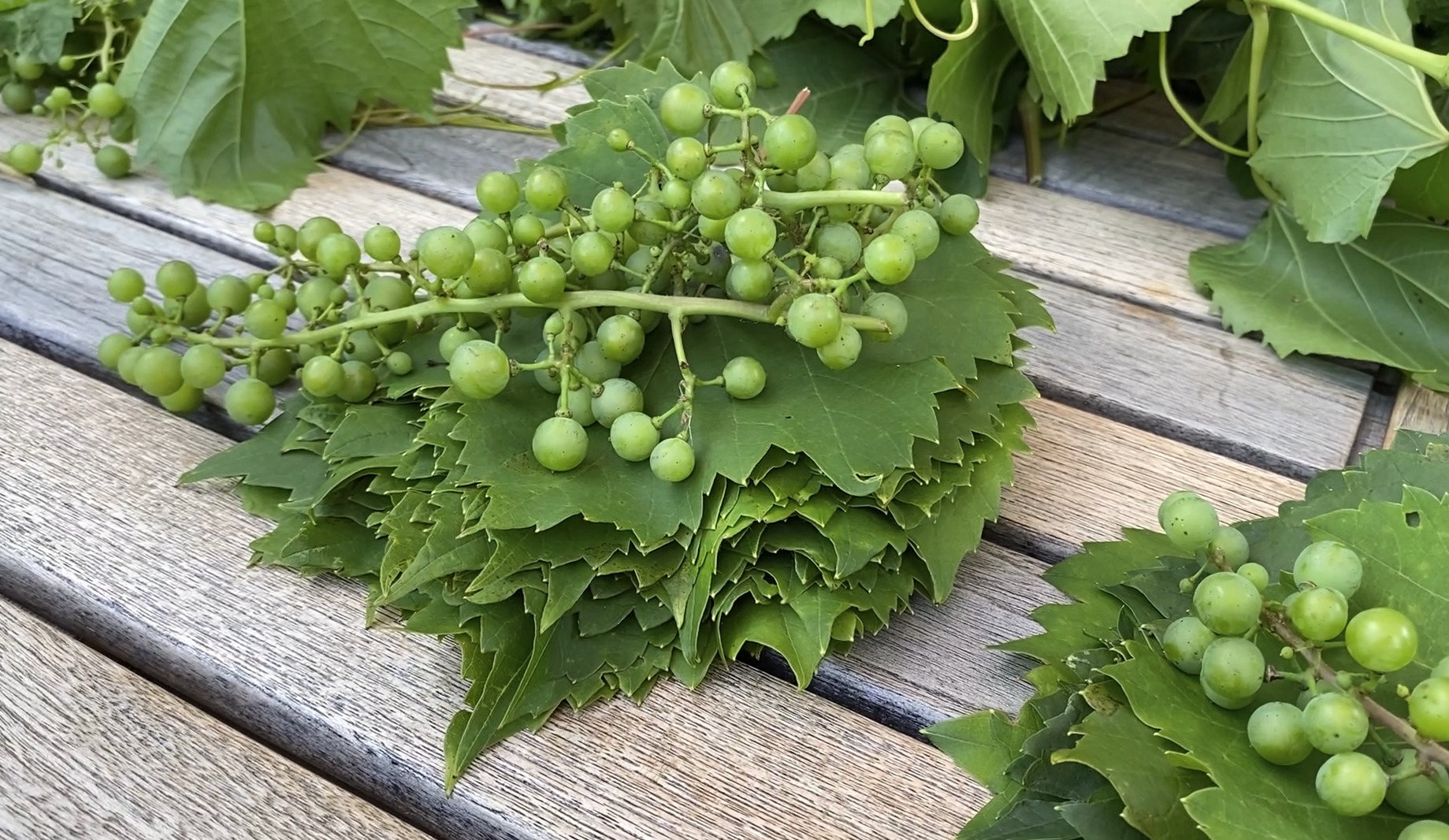
Late summer is when the garden offers its quiet generosity. Months of sunlight, fertile soil, and patient tending finally come together in the tender green beans, sweet tomatoes, fragrant peppers, and garlic that fill market baskets with colour. Every vegetable carries the warmth of the season that raised it, waiting to become nourishment for the months ahead.
By late summer, local markets throughout Istanbul glow with these colour varieties. Red, sweet tomatoes, green, tender peppers, fragrant garlic, and long, slender green beans reach the peak of their flavour after months beneath the Mediterranean sun. This is the season when kitchens slow down just enough to preserve that abundance in everyday meals.
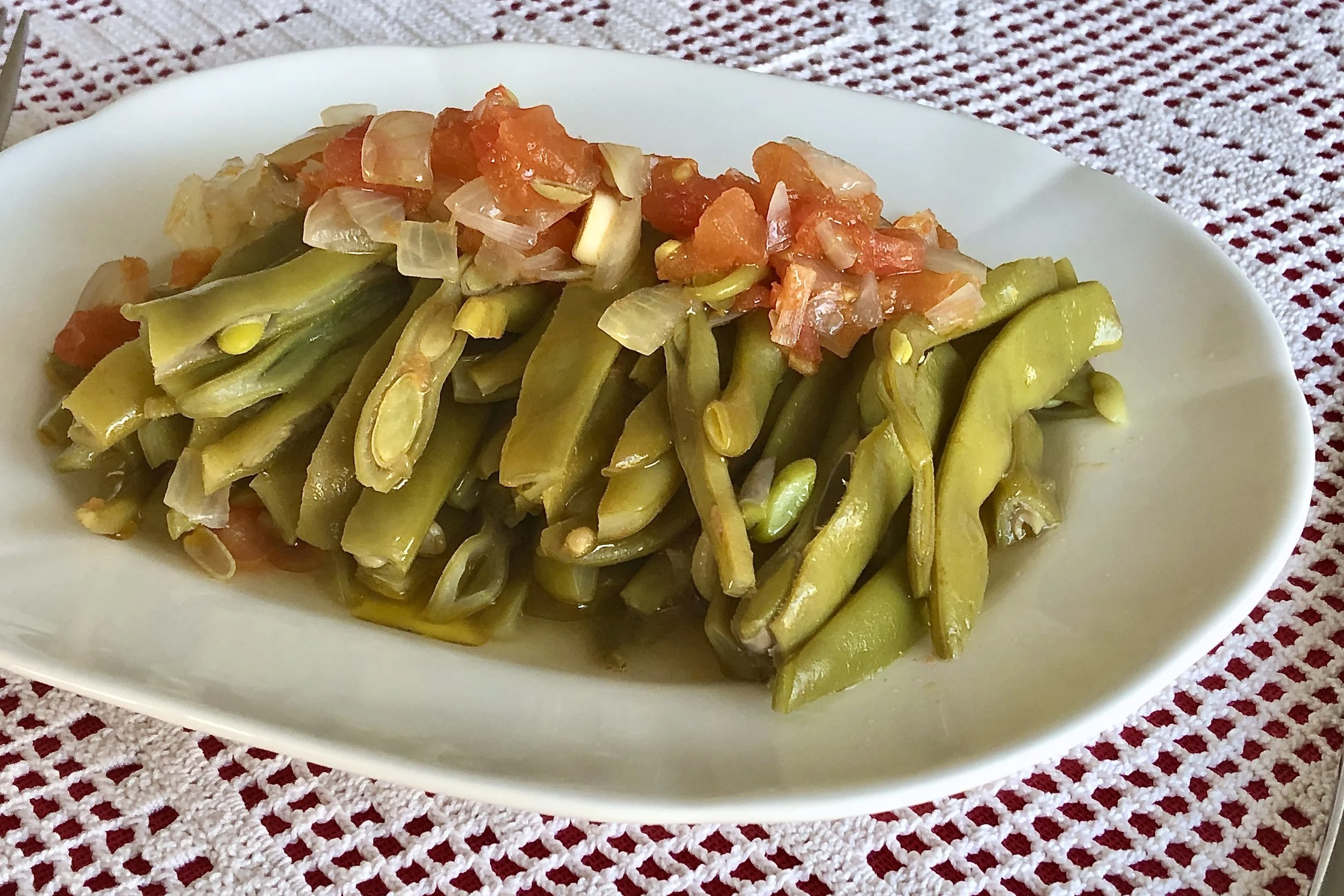
Among the most beloved of these dishes is Zeytinyağlı Taze Fasulye, green beans gently braised with olive oil. Although it appears wonderfully simple, it reflects one of the defining characteristics of Istanbul cuisine: allowing each vegetable to remain recognizable while encouraging them to slowly exchange their aromas until they become something greater together.
Unlike many green bean recipes that begin by sautéing onions or stirring vegetables throughout cooking, the Istanbul method is remarkably gentle. Tomatoes, onions, garlic, and peppers form a natural cooking bed beneath carefully arranged green beans. As the vegetables release their own juices, they create a delicate sauce that cooks the beans almost without disturbance. Little stirring means intact vegetables, clear colours, and a silky texture.
A small spoonful of sugar is another quiet signature of the Aegean and Marmara kitchens. Rather than making the dish sweet, it softens the natural acidity of ripe tomatoes and highlights the garden freshness of the vegetables.
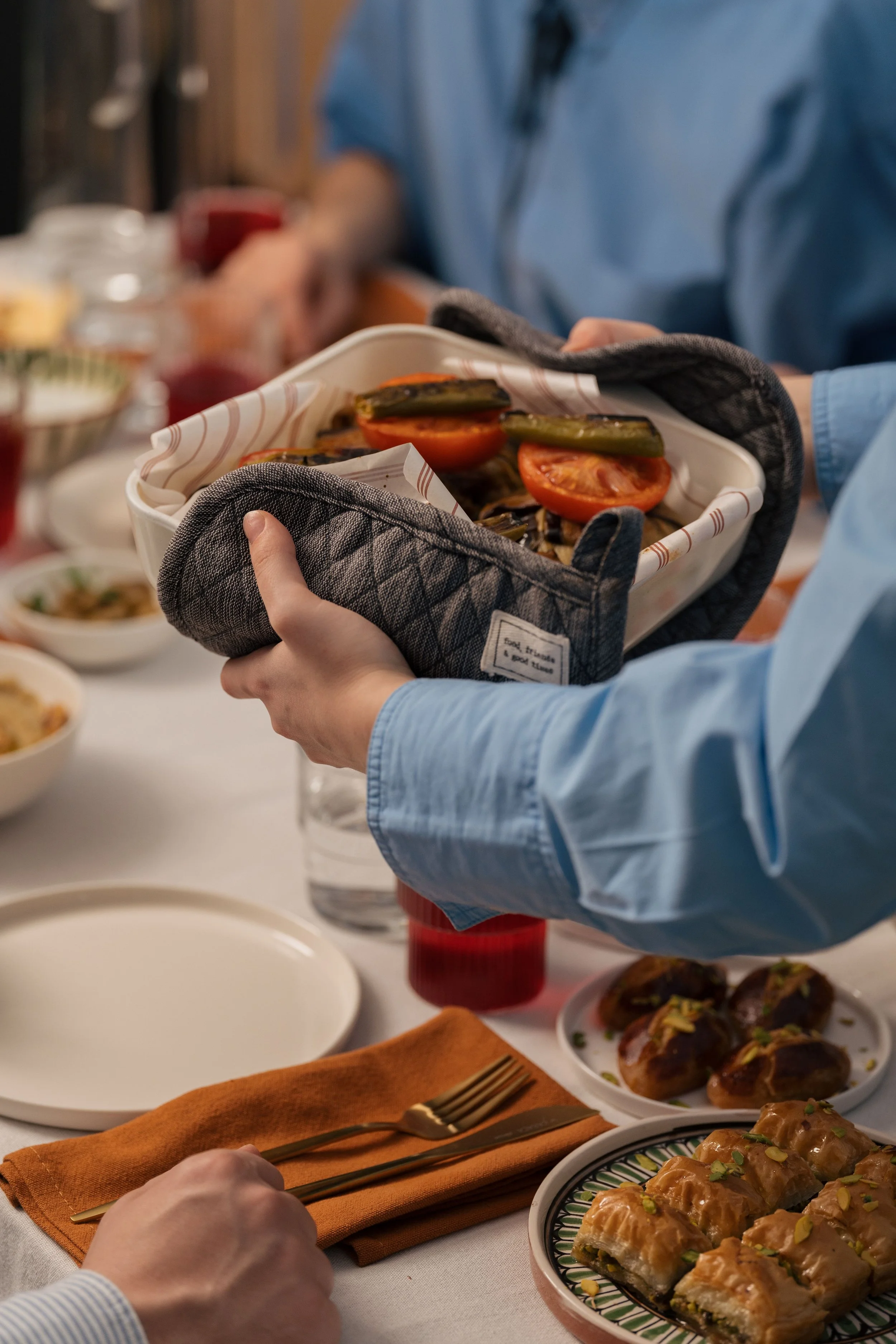
Served warm or completely cooled, Istanbul Green Beans with Olive Oil become even more delicious after resting, allowing the olive oil and vegetables to fully embrace one another. It is one of those timeless dishes that reminds us how extraordinary seasonal vegetables can be when treated with patience and respect.
Ingredients
1 kg fresh green beans
2 medium onions (about 200 g), diced
3–4 garlic cloves, sliced
2 medium tomatoes (about 400 g), peeled & diced
4–5 sweet green peppers, chopped
½ cup extra virgin olive oil
1½ cups water
2 tsp salt
½ tbsp sugar
Directions
PREPARATION:
Soak the green beans briefly in cold water, then wash thoroughly and drain.
Trim both ends of each bean. If the beans are wide, split them lengthwise, then cut into similar lengths.
Dice the onions and tomatoes, slice the garlic, and chop the peppers.
In a wide, shallow pot, combine the onions, garlic, tomatoes, one teaspoon of salt, and gently press the vegetables together for 1–2 minutes to help release their juices.
Add the chopped peppers.
Arrange the prepared green beans neatly over the vegetable mixture.
Drizzle with olive oil and water.
Sprinkle with the remaining salt and sugar.
Cover with a lid.
COOKING:
Bring the pot to a gentle boil over medium-high heat.
Then, reduce the heat to low.
Cook undisturbed for 22–28 minutes, until the beans become completely tender.
Remove from the heat and let the dish rest, covered, for 10–15 minutes.
SERVING:
Serve warm, at room temperature (to me it is the best), or chilled.
Carefully transfer the beans to a serving platter, preserving their shape as much as possible. Spoon the tomato, onion, and pepper mixture over the top.
Enjoy with fresh bread, Turkish rice pilav, yogurt, or simply on its own as a light summer meal.
[Notes from the Kitchen]
Young, slender beans produce the most tender and elegant result.
Choose ripe summer tomatoes whenever possible; they provide both the cooking liquid and the dish's natural sweetness.
Avoid stirring during cooking. The vegetables steam gently beneath the beans, preserving their beautiful appearance.
A wide, shallow pot helps the beans cook evenly while preventing excessive stacking.
Like many olive oil dishes in Turkish cuisine, this recipe often tastes even better several hours later or the following day.
The same layering technique can be used with eggplant, artichokes, zucchini, and other delicate summer vegetables.