Peony Sherbet | Şakayık Şerbeti
PEONY SHERBET RECIPE TUTORIAL
Note: By clicking on this video, you allow third parties (YouTube and Google) to access your data. Visit our privacy policy for more info.
No boiling. No cooking. Just a bit of sunlight.
Long before refrigerators and canned drinks, summer in Anatolia was cooled with sherbets. Floral syrups made from the petals of roses, lilacs, poppies, basil, tamarind, and countless other fragrant plants were once welcome refreshments during the hottest months of the year. Even today, many older households still associate the scent of flower sherbets with shaded gardens, afternoon gatherings, and large trays of clinking glasses carried to guests.
Wild rose and field poppy are among the most traditional flowers used for sherbet, both for their aroma and their remarkable colour. This version, however, came from a small experiment in our own garden.
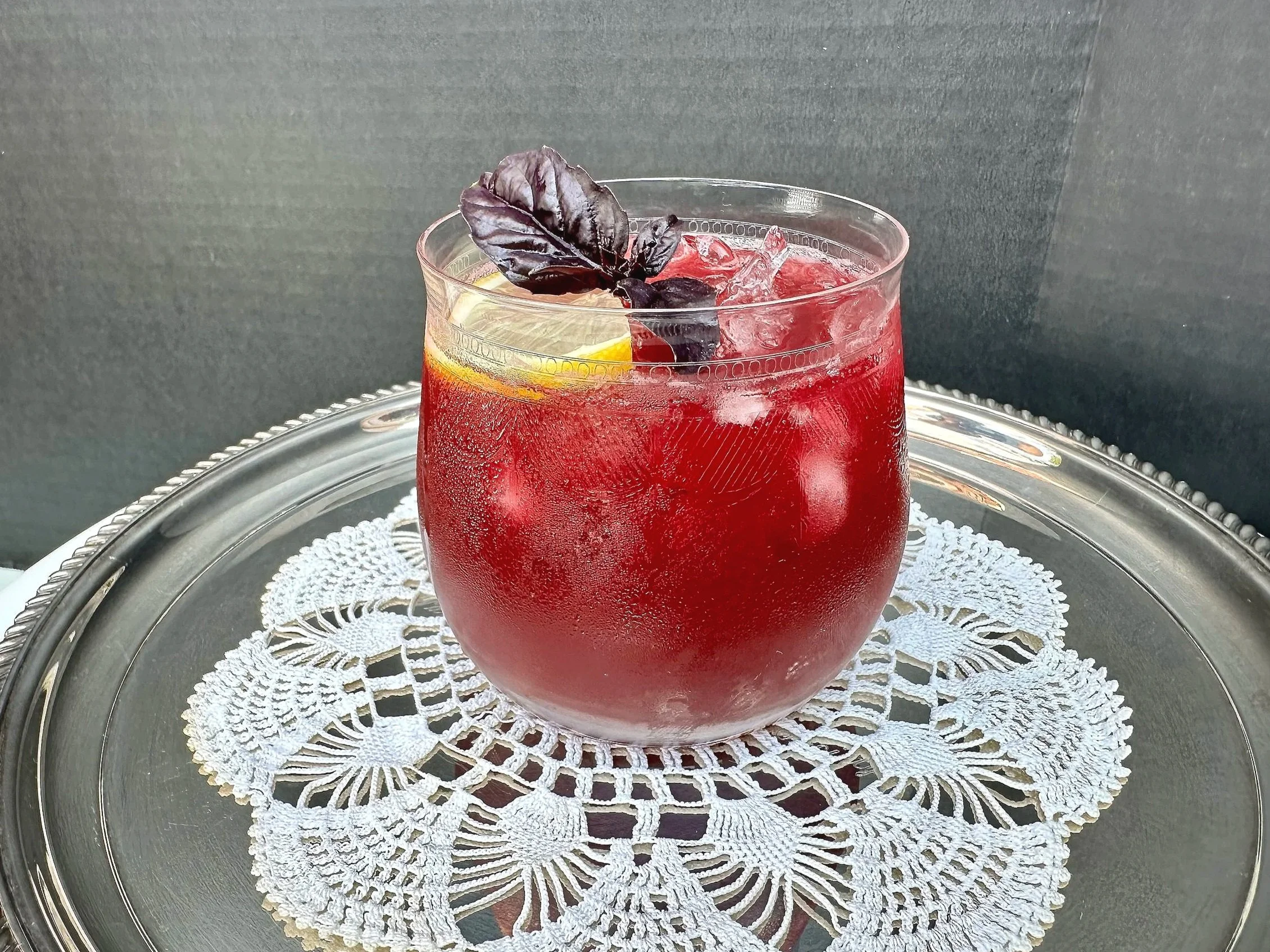
One summer, my mother decided to apply the old sherbet-making method to blooming peonies. The result surprised all of us. The petals slowly released a deep magenta colour into the water, along with a delicate floral fragrance that somehow tasted exactly like the flower smells. Light, refreshing, and almost jewel-like once chilled.
The most fascinating part of this method is that the sun does much of the work. No boiling. No cooking. Just petals, water, citrus, patience, and warmth.
If you enjoy floral flavours, this is one of the most beautiful ways to experience them.
Ingredients
200 g fresh peony petals
1 tsp citric acid
(or juice of 1 lemon)3 cups filtered water
2 cups sugar
Directions
PREPARING THE FLOWERS
Collect the peonies while they are most fragrant (in mid-bloom).
Discard all green stems and leaves.
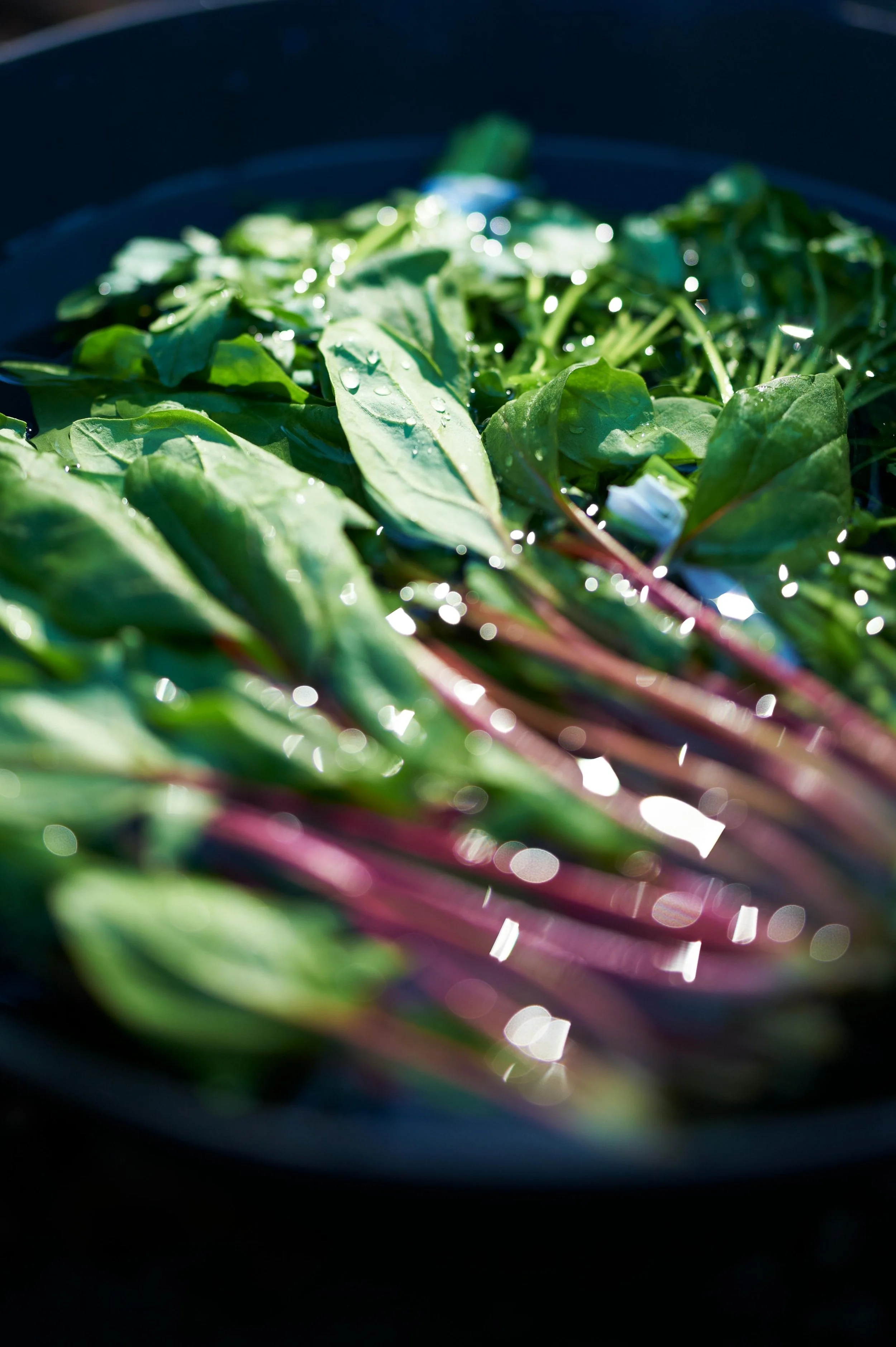
Submerge the flowers in clean water for 5-10 minutes to remove dust and insects. Repeat with fresh water if necessary.
Drain thoroughly using a salad spinner or strainer.
Carefully remove the petals and place them into a clean glass jar.
SUN INFUSION
Add 1 tsp citric acid (or lemon juice) and 3 cups filtered water to the jar.
Cover with a lid.
Place the jar somewhere sunny, but not hot enough to encourage fermentation. (After about 4 hours, the petals will begin releasing colour into the water. After 24 hours, the petals will lose most of their colour and fragrance while the liquid becomes richly coloured and aromatic.)
FINISHING THE SHERBET
Remove the petals by gently squeezing them to release their remaining essence.
Strain the liquid into a clean bowl or pitcher.
Add 2 cups sugar and stir until fully dissolved.
Transfer the sherbet into a bottle or carafe with a lid.
Chill in the refrigerator for several hours before serving.
SERVING
Serve the Peony Sherbet cold.
You can dilute it with cold water or pour it over ice depending on how concentrated you prefer the flavour.
The colour alone is enough to stop conversation for a moment.
This same method also works beautifully with wild rose petals and field poppies, each bringing its own fragrance and character.
[Notes from the Kitchen]
Only use the petals
The green parts of flowers can introduce bitterness into the sherbet. Use the petals only. Some flowers like poppies may require further removal of parts of the petals for safe consumption. (Read more about the uses of Anatolian vs North American poppies in this article.)Why the sun matters
This is a traditional sun-infusion method rather than a cooked syrup or fruit compote. Sunlight and the slight warmth helps the petals slowly release colour and fragrance without dulling their aroma.About fermentation
Keep the jar warm and sunny, but not excessively hot. High temperatures and excessively long period of infusion can lead to fermentation instead.Hygiene matters more for raw foods
Because the sherbet is not boiled, cleanliness is important. Use clean jars and utensils, filtered water, and wash the flowers thoroughly.Adjusting sweetness
This recipe creates a concentrated drink. You can reduce the sugar slightly for a lighter drink, or dilute more heavily when serving.Serving tip
Sherbets like this become more fragrant after chilling for several hours. The flavour settles and rounds out beautifully in the fridge.