Vine Leaves Preservation | Salamura Asma Yaprağı
VINE LEAVES PRESERVATION / SALAMURA ASMA YAPRAĞI
Note: By clicking on this video, you allow third parties (YouTube and Google) to access your data. Visit our privacy policy for more info.
Preserving the bounty of Summer
Grapes have always been more than fruit in the ancient lands of Anatolia. They are sacred, enduring symbols of abundance, transformation, and ancestry. But before the clusters ripen under the summer sun, vines offer something equally precious: their young, tender leaves.
Mid-summer is when grapevines begin to thicken their foliage to protect maturing grapes. To encourage better fruiting, excess shoots and leaves are pruned. It’s in these quiet rituals of care that one of Turkish cuisine's most treasured preservation techniques comes to life.
Passed from my great-grandmother to my grandmother and then to us, this traditional method of brining grape leaves is a perfect example of zero-waste ingenuity. It allowed families to preserve the bounty of summer for the long winter ahead; and to savour the earthy, tangy taste of stuffed vine leaves (sarma) even when the vines had long gone bare.
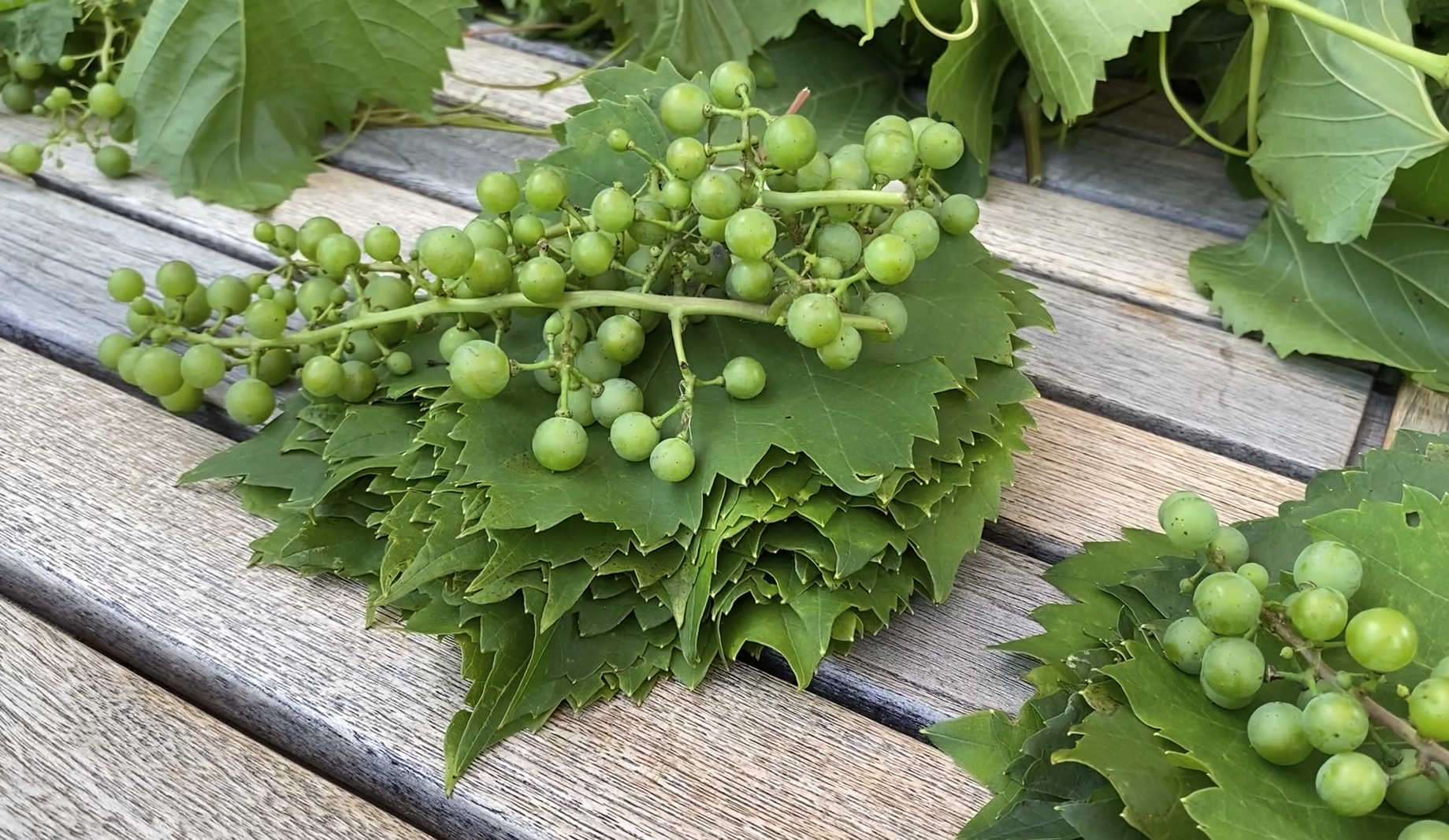
This method doesn’t just preserve leaves, it preserves memory. We use these brined grape leaves for classic beef stuffed vine leaves / etli sarma; vegetarian vine leaf rolls / zeytinyağlı sarma; and other savoury dishes that grace our winter tables like a green thread tying us to summer’s warmth. And we don’t stop at the leaves, those small, underripe grape clusters collected during pruning are frozen or transformed into Verjuice Syrup or adding a tart sparkle to stews and sarma broths to underline its natural sour taste.
The technique is more than practical. It is poetic: using a raw egg to measure salinity, hand-rolling leaf bundles, tucking oak or bay leaves atop to keep the colour bright and mold at bay. These are not just kitchen tips—they are gestures of generational wisdom.
This recipe includes everything you need to preserve grape leaves safely for up to 2 years, along with time-tested notes for best dolma results.
Ingredients
For the Brined Leaves
1 kg fresh grape leaves (small to medium-sized, soft, unbroken)
4 oak or bay (daphne) leaves (fresh or dried)
2 wide-mouth 1 L jars with fitted lids
For the Brine
10 cups drinking water
2.5 cups pickling salt (see Note)
* Water-to-salt ratio: 4 cups water to 1 cup salt
Directions
PREPARING THE GRAPE LEAVES:
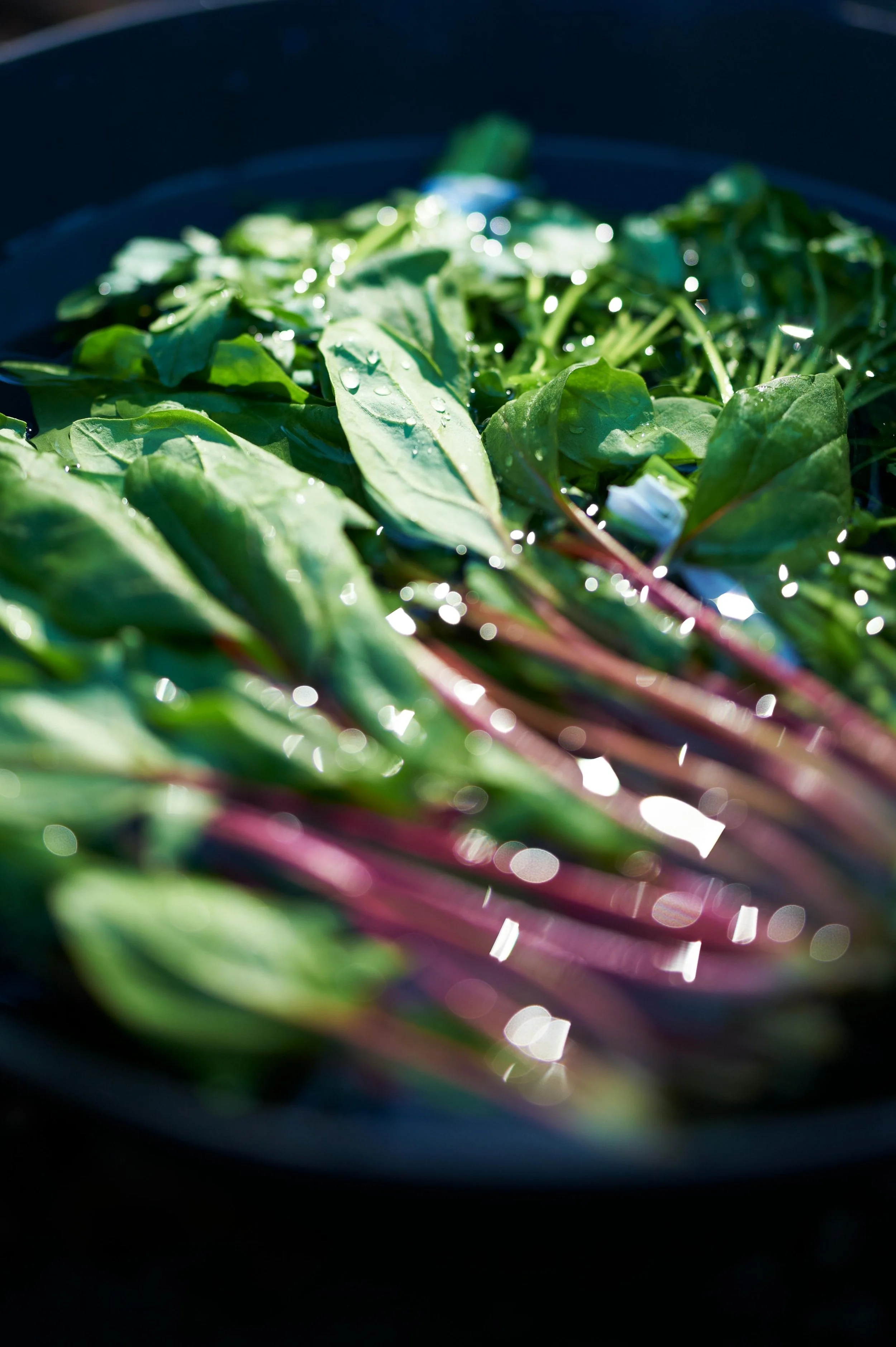
Harvest early in the morning if possible. Avoid overstacking to prevent wilting.
Work in a cool place while sorting leaves.
Group the leaves by size. Larger ones for olive oil dolma, smaller ones for meat-filled versions.
Stack leaves into 10–15 leaf bundles with the shiny sides facing the same direction.
Keep bundles in the fridge in shallow containers if not brining immediately.
PREPPING THE BRINE:
Mix 10 cups water with 2.5 cups pickling salt.
Bring to a boil and simmer for 5–8 minutes. This both dissolves salt and sterilizes the brine.
To sterilize jars: steam them over the simmering brine for 5 minutes using a strainer or steamer insert.
BRINING PROCESS:
Briefly blanch leaf bundles by pouring hot brine over them in a wide pot.
Cover and let them cool to room temperature.
Roll the cooled leaf bundles tightly like cigars.
Place them snugly in the jars without damaging the leaves.
Layer thin vine shoots and 2 oak or bay leaves on top to prevent darkening and mold.
Fill the jars with brine to cover all contents.
Add 1 tbsp more pickling salt on top if desired.
Seal jars tightly and store in a cool, dark place.
BEFORE RE-USING THE LEAVES:
Before using the leaves for sarma, submerge them into boiling water, until cooldown and rinse more if necessary. Hot water help to release excess salt and soften the leaves again.
Keep leftover brine refrigerated for your next batch.
[Notes from the Kitchen]
Egg Test for Salt: Drop a fresh and raw egg into the room-temperature-brine. When a coin-sized (~2cm) tip floats above the surface, the brine is at ideal salinity.
Leaf Sorting: Ease in sarma prep. Store different size leaves in separate jars for using small size to meat and large size to veggie stuffing rolls.
Use Vine Shoots: Prevents darkening and protects leaves during storage. Vine shoots are also best placed at the bottom of your sarma pot during cooking; they act as a natural buffer, preventing the karmas from burning and also give a naturally balanced sour taste.
Before use the brined leaves: Submerge them into hot water to release excess salt and soften the leaves again.
No extra salt: These leaves are naturally seasoned. So, use less salt for filling and no salt for rolled sarma.
Freeze underripe grape clusters: For use in sarma pots or to make Verjuice Syrup and Koruk Vinegar.
Preserve like your ancestors. Wrap taste and memory in every leaf.…