Classic Chickpeas | Klasik Etli Nohut
CLASSIC CHICKPEAS RECIPE VIDEO
Note: By clicking on this video, you allow third parties (YouTube and Google) to access your data. Visit our privacy policy for more info.
A Ritual of Patience, A feast of Care
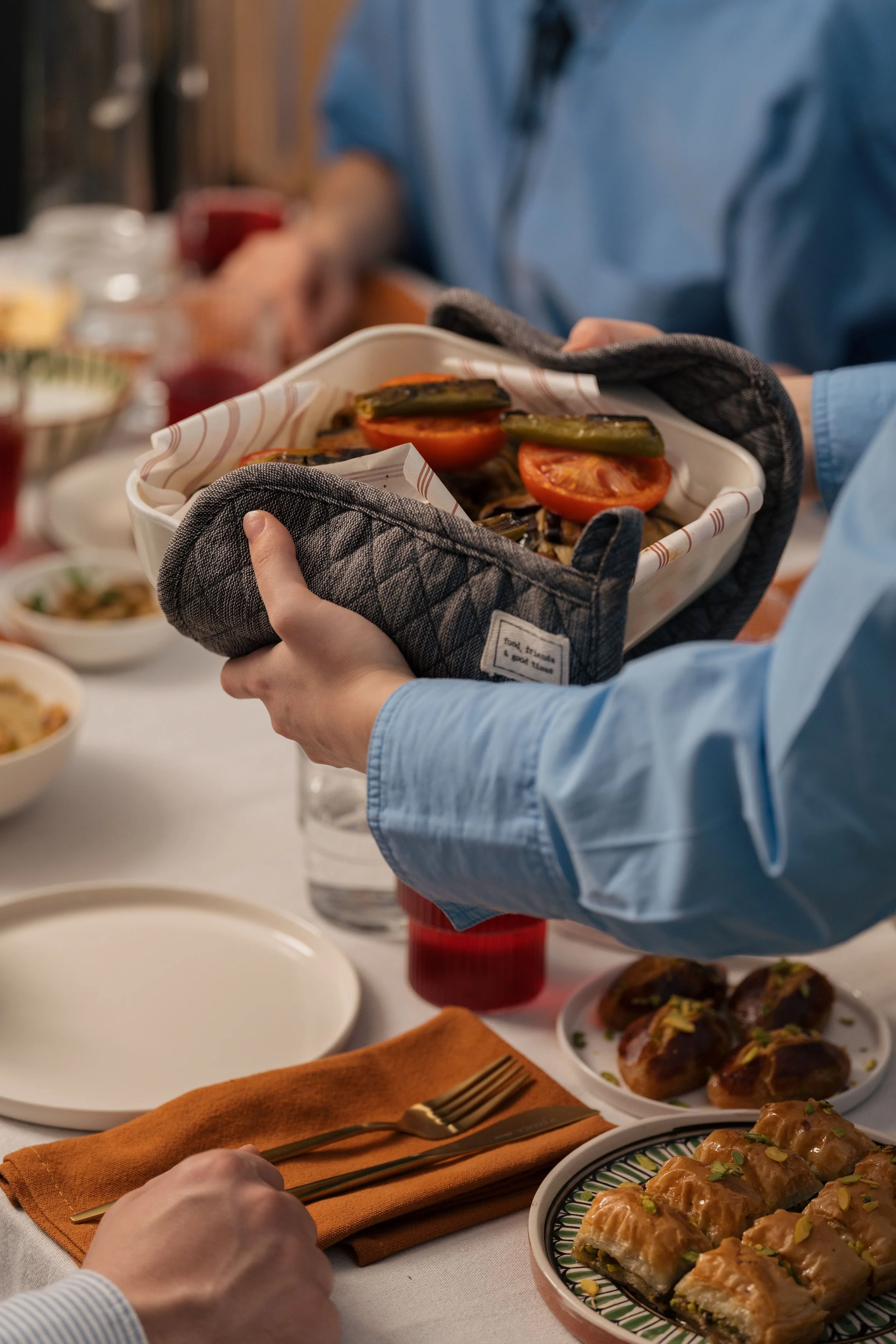
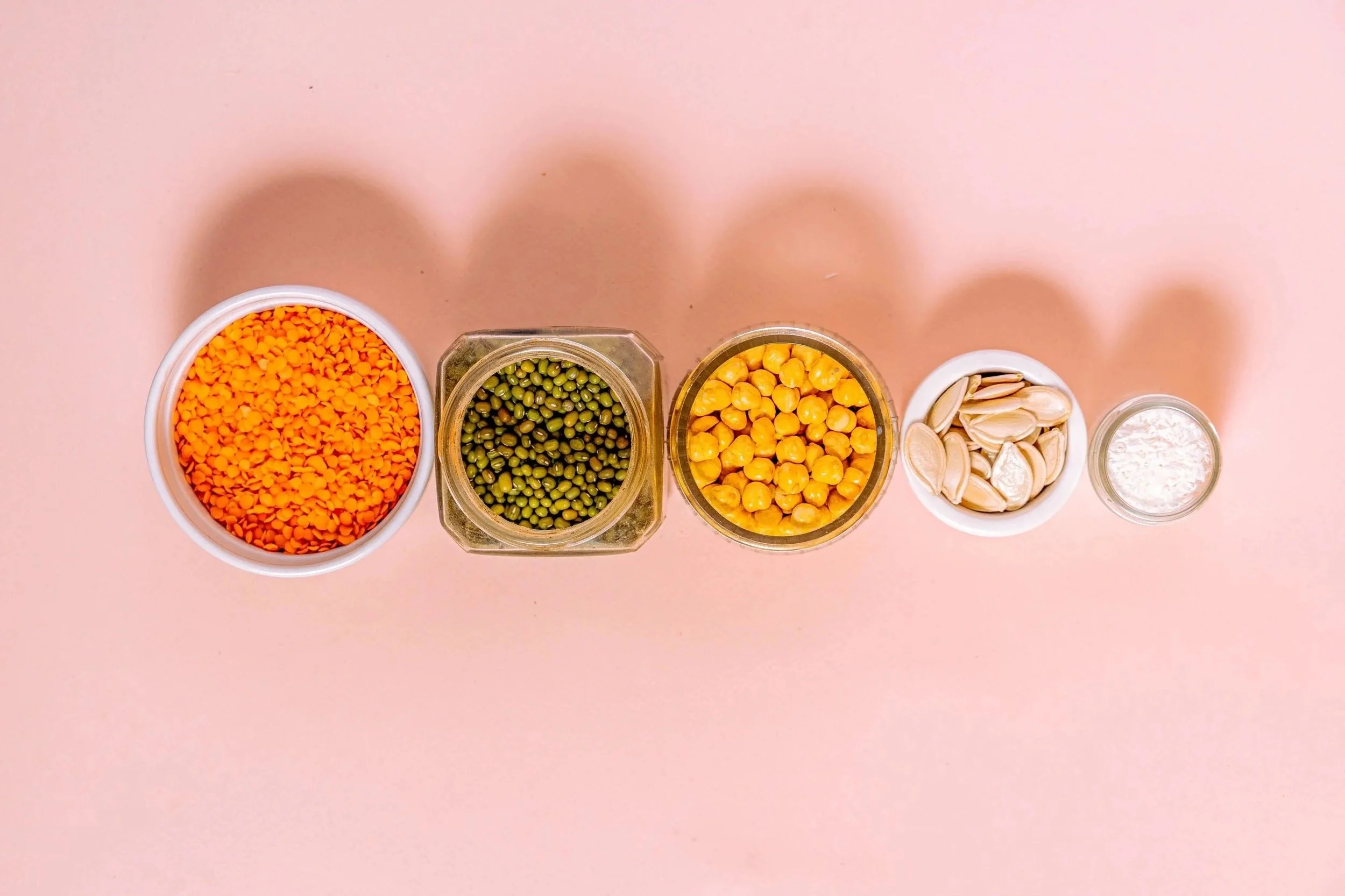
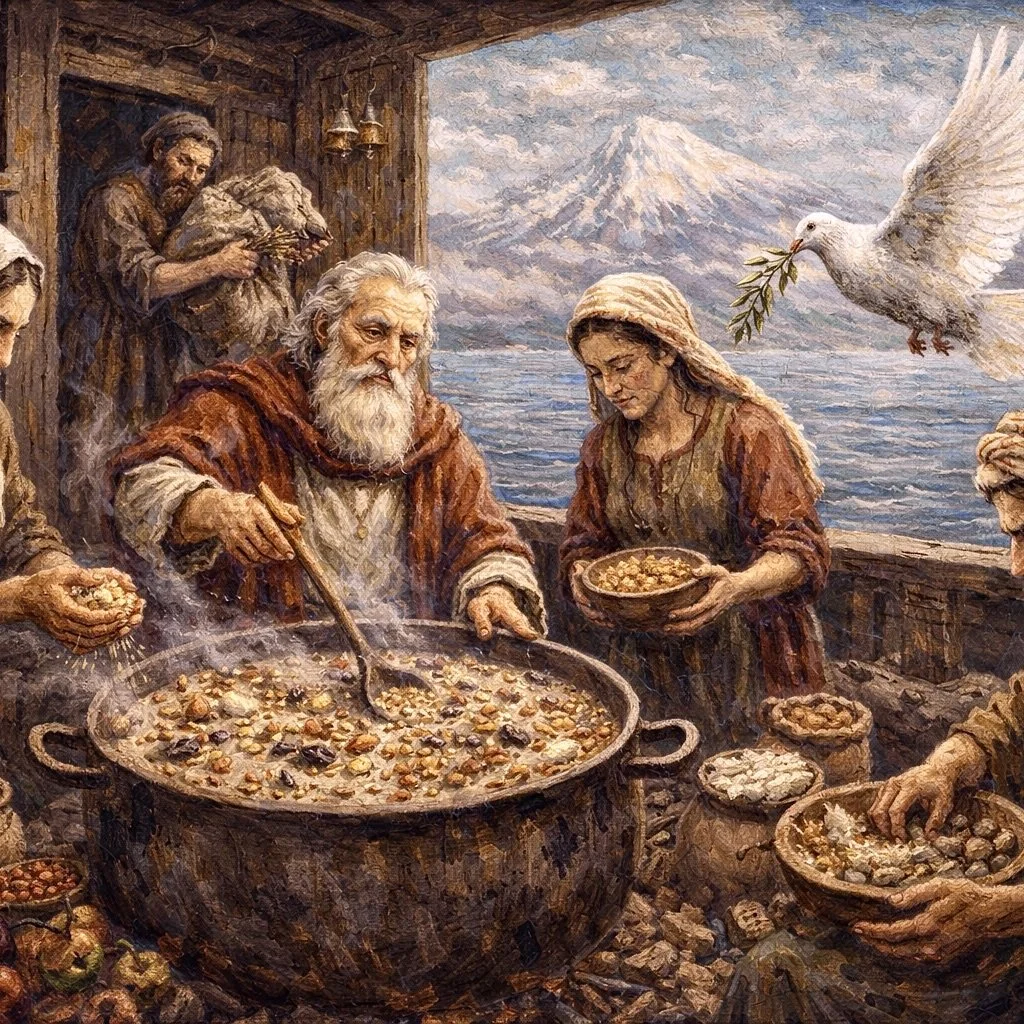
Whenever that wide copper pot was placed on the stove, it meant a feast awaited us at dinner. Dried beans, lentils, black-eyed peas, but most often, chickpeas. Always served with buttery rice pilav and jars of homemade pickles preserved from summer. Sometimes there would also be a fruit compote sweetened with molasses; plum, apple, or apricot, completing the table.
Even today I cannot decide what I loved more: the fragrant sweetness of fruit compote beside a spoonful of buttery rice, or the sharp fermented crunch of cold pickles accompanying tender chickpeas enriched with tomato and broth.
Years later, I understood something deeper. These meals were not only joyful childhood memories. They were a refined tradition, a way of raising healthy generations, gathering families naturally around a shared table, and teaching respect for food through its aroma, flavour, and beauty. A cultural heritage patiently preserved over time.
In Turkish cuisine, legumes are cooked gently and respectfully. They are soaked overnight and allowed to ‘awaken’ slowly. Then they simmer quietly for hours, never rushed; so their skins remain intact, their shape preserved, even as their texture becomes soft enough to melt in the mouth. Onions, pepper paste, and spices transform the humble pot into a celebration of flavour. The sauce thickens with the starch released from the legumes, turning a deep amber red while irresistible aromas fill the house.
Soon a familiar voice calls from the kitchen: “Dinner is ready, everyone to the table!” No one delays. Plates are filled, and the warmth of food, family, and happiness fills the room.
Today I share this timeless classic from my childhood, a traditional, unhurried ritual that can take nearly two days to prepare. While canned chickpeas offer a quicker alternative, carefully prepared versions using traditional methods remain the most valued in Turkish home kitchens and local eateries (at Esnaf Lokantaları). Because in Turkish culinary culture, flavour is believed to come from care, patience, and devotion.
Ingredients
Soaking
500 g (about 3 cups) dried chickpeas
2 L water
1 tbsp pickling salt
Cooking the Chickpeas
1.5 L water
Soaked chickpeas, rinsed and drained
Cooking the Meat
500 g lamb leg, boneless, cubed
1/4 cup olive oil
1 large onion, diced
1 bay leaf
2 dried hot peppers
1 tbsp tomato paste
1.5 tbsp pepper paste
3 cups water
To Assemble
Cooked chickpeas with their cooking liquid
1 cup hot water (if needed)
1 tsp black pepper
1 tsp flaked red pepper
1 tsp cumin
60 g butter
2 tsp salt
Directions
SOAK THE CHICKPEAS:
Wash and drain the chickpeas.
Dissolve pickling salt in 2 L water and add chickpeas. Cover and soak 4-6 hours or overnight (refrigerate in hot weather).
Drain and rinse.
COOK THE CHICKPEAS:
Place chickpeas and 1.5 L water in a pot. Bring to a boil over medium heat, skimming foam.
Reduce heat to low, cover, and simmer about 1 hour until very tender.
Let cool completely with the lid closed. For best texture, refrigerate overnight in the cooking liquid.
COOK THE MEAT:
Heat a deep pot and add 1 tbsp olive oil. Brown lamb cubes with lid closed until they release and reabsorb their juices (15-18 minutes).
Add onion and sauté 3-4 minutes.
Add 1 cup hot water and bay leaf; simmer until meat is tender, adding more water if needed.
Stir in tomato and pepper paste and cook 3-4 minutes.
Add 2 cups cold water and bring to a boil.
ASSEMBLE THE STEW:
Add chickpeas with their cooking liquid.
Adjust consistency with hot water if needed, but the dish should be thick, not soupy.
Add spices and dried peppers. Simmer gently 15 minutes until flavours combine.
Turn off the heat. Stir in salt and butter. Rest 10-15 minutes before serving.
SERVING
Serve hot with Plain Rice Pilav and homemade pickles.
[Notes from the Kitchen]
For soaking, using pickling salt helps chickpeas absorb water evenly and keeps skins intact.
Skimming the foam improves digestion.
Always cook legumes slowly over very low heat: keeps the forms firm, and prevent extra evaporation.
Add salt only after legumes soften.
Add tomato paste after meat becomes tender, acidity slows softening.
Cooking in stages allows better control of texture and consistency.
Extra cooked chickpeas can be frozen for future use.
Lamb gives the most traditional flavour and cook faster; beef requires longer cooking.
These cooking techniques may be applied to all other legumes.