Mint Tea & Cold Sherbet | Nane Çayı ve Şerbeti
MINT TEA & COLD MINT SHERBET RECIPE TUTORIAL
Note: By clicking on this video, you allow third parties (YouTube and Google) to access your data. Visit our privacy policy for more info.
A Fresh Breath of Green, A moment of Care
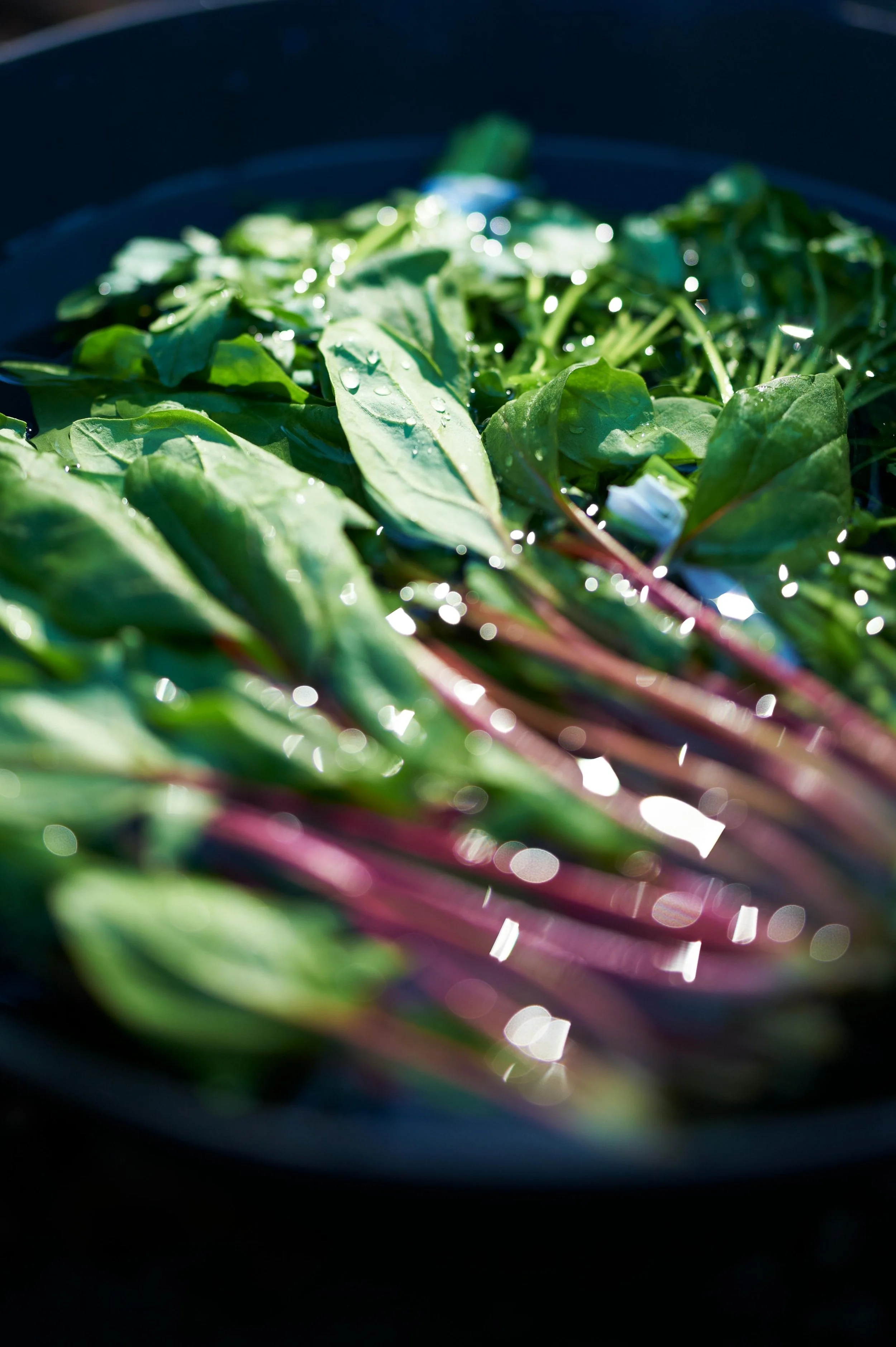
Mint is one of the most essential herbs in Turkish cuisine. It carries a bright, unmistakable character that shapes both sweet and savoury dishes, yet its gentlest form appears in a humble cup of mint tea. Soothing, aromatic, and comforting, it has long been valued for easing digestion and calming the body.
In Anatolia, mint is more than a herb, it is a symbol of freshness, balance, and seasonal wisdom. it is a companion to daily life. Its cooling aroma lightens rich meals, supports digestion, and brings clarity to grain dishes, soups, and yogurt-based recipes. It refreshes bulgur dishes, lightens rice fillings, and softens the richness of milk- and yogurt-based soups. For generations, mint has also been brewed as a soothing tea, especially for stomach comfort and renewal.When stomach discomfort arises, a concentrated mint infusion, brightened with a few drops of lemon, becomes a traditional remedy.
During spring and summer, mint is carefully dried to preserve its vibrant character for winter months , a tradition reflecting Anatolia’s deep respect for nature’s cycles and the belief that food nourishes both body and well-being.
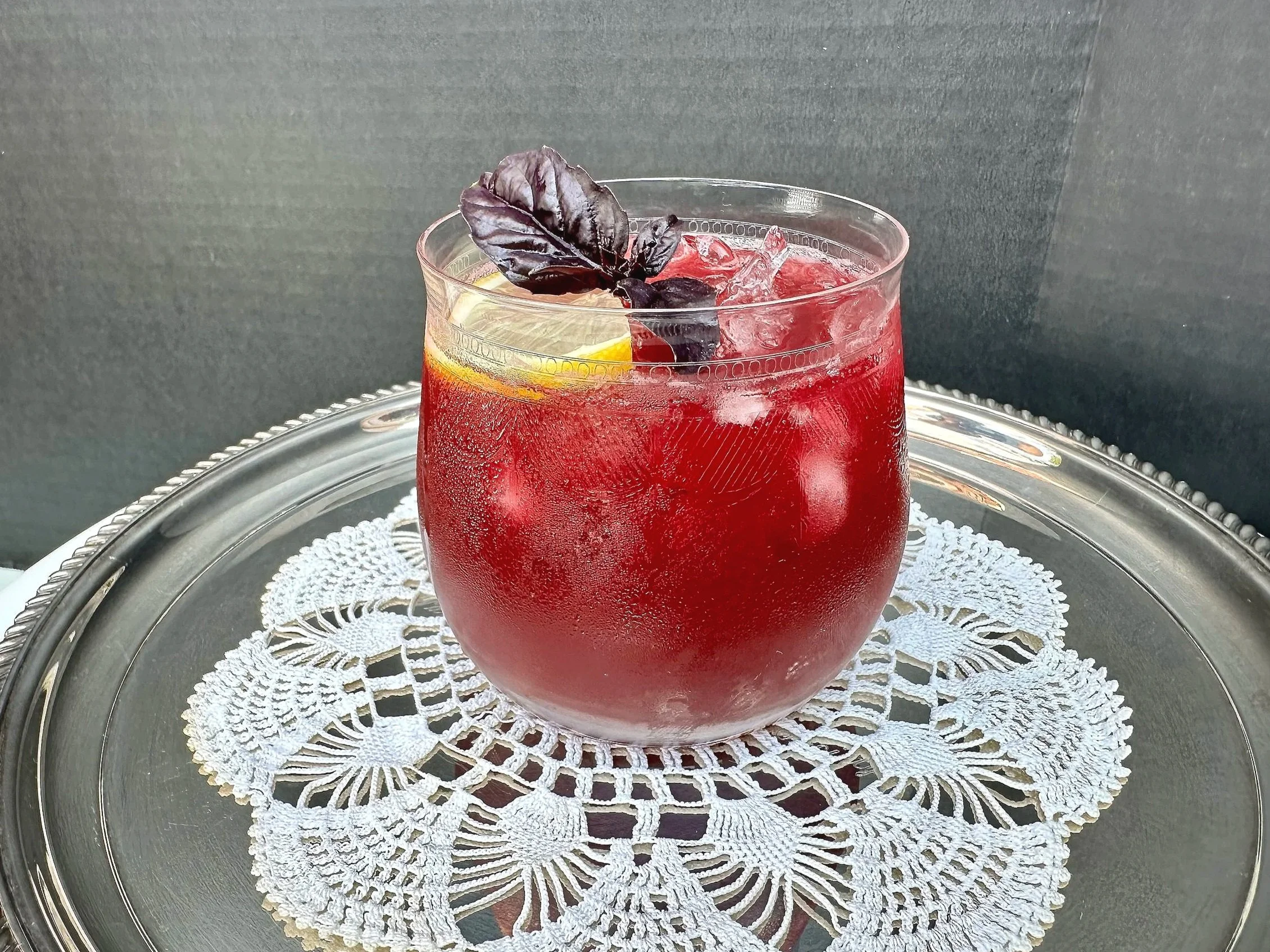
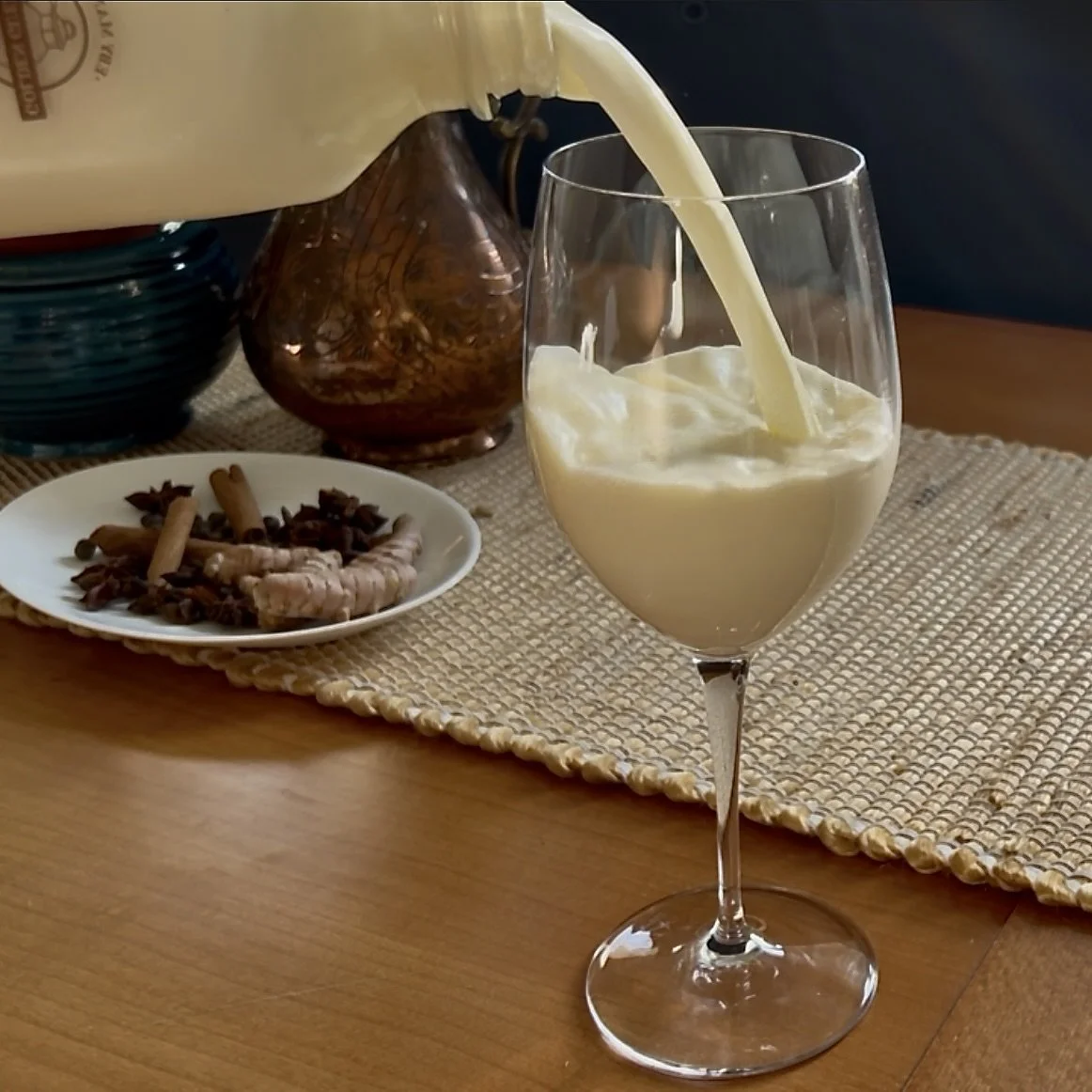
This recipe brings together two beloved preparations: a warming mint tea and a refreshing cold mint sherbet. The sherbet begins as tea, then transforms into a cooling beverage enriched with lemon, honey, ice, and sparkling water. When served cold, sweetness and acidity are slightly increased, since low temperatures soften flavour perception.
Simple in preparation yet deeply rooted in tradition, this drink reflects the Turkish understanding that healing, refreshment, and pleasure can exist in the same cup.
Ingredients
For Mint Tea Base
½ cup dried mint leaves
1 L clean water
Few drops of lemon juice per glass
For Cold Mint Sherbet (Optional)
Juice of 1 lemon
2–3 tbsp honey (adjust to taste)
Ice cubes (for serving)
Soda or sparkling water (optional)
Directions
PREPARE THE MINT INFUSION:
Bring 1 litre of water to a boil.
Place dried mint leaves in a heatproof teapot or insulated vessel.
Pour about one-third of the boiling water over the mint leaves.
Cover and place the teapot over the remaining hot water (double-boiler style).
Let steep for 10–15 minutes until aromatic and concentrated.
SERVE AS HOT TEA:
Adjust the strength by adding more hot water to taste.
Serve warm.
Optionally add a few drops of lemon and 1 tsp honey per glass.
PREPARE COLD MINT SHERBET:
While the mint tea is still warm, stir in lemon juice and honey.
Mix until fully dissolved.
Let cool to room temperature, then refrigerate.
Serve chilled with ice and optional sparkling water.
SERVING:
Enjoy hot mint tea as a calming digestive drink.
Serve cold mint sherbet for summer refreshment.
The chilled version pairs beautifully with light meals or warm-weather gatherings.
Afiyet olsun.
[Notes from the Kitchen]
Prepare fresh daily; mint tea loses aroma and darkens when stored.
If you do not have a traditional Turkish teapot, brew in an insulated teapot.
Fresh mint may be used in season, remove stems and use a larger quantity for similar intensity.
Cold beverages require slightly stronger sweet and sour balance because chilling reduces flavour perception.
For deeper appreciation of mint’s role in Turkish cuisine, explore mint-based soups, fillings, and homemade lemonade variations.