Carrot Pilav | Havuçlu Pilav
CARROT PILAV RECIPE VIDEO
Note: By clicking on this video, you allow third parties (YouTube and Google) to access your data. Visit our privacy policy for more info.
The Golden Simplicity of Istanbul Rice Dishes
In Turkish cuisine, pilav is not merely a side dish; it’s a quiet centrepiece that holds together an entire meal. Across Anatolia, bulgur pilavs fill kitchens with earthy warmth, but in Istanbul, rice has long reigned supreme. Every household and every esnaf lokantası (traditional eatery) carries its own rice dish: from buttery plain pilav that accompanies beans or kebabs, to festive versions rich with spices, vegetables, or fruits.
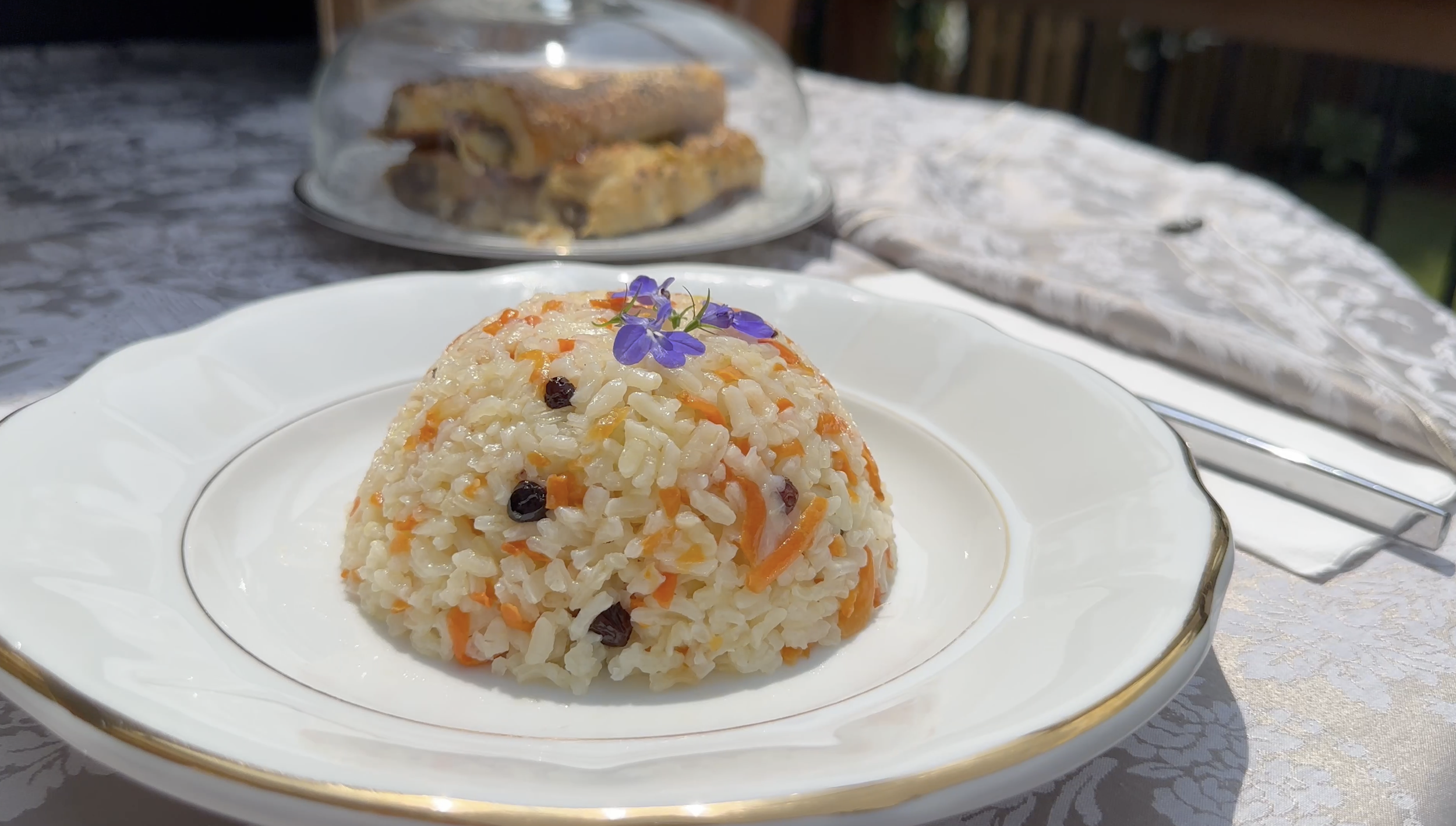
Carrot Pilav belongs to this latter group, a modest yet radiant dish that glows with the colour of the harvest. The sweetness of carrots, softened in olive oil and embraces the creamy texture of rice and the subtle tang of black currant. It’s a recipe that bridges nutrition and nostalgia, carrying the gentle elegance of Istanbul’s home kitchens.
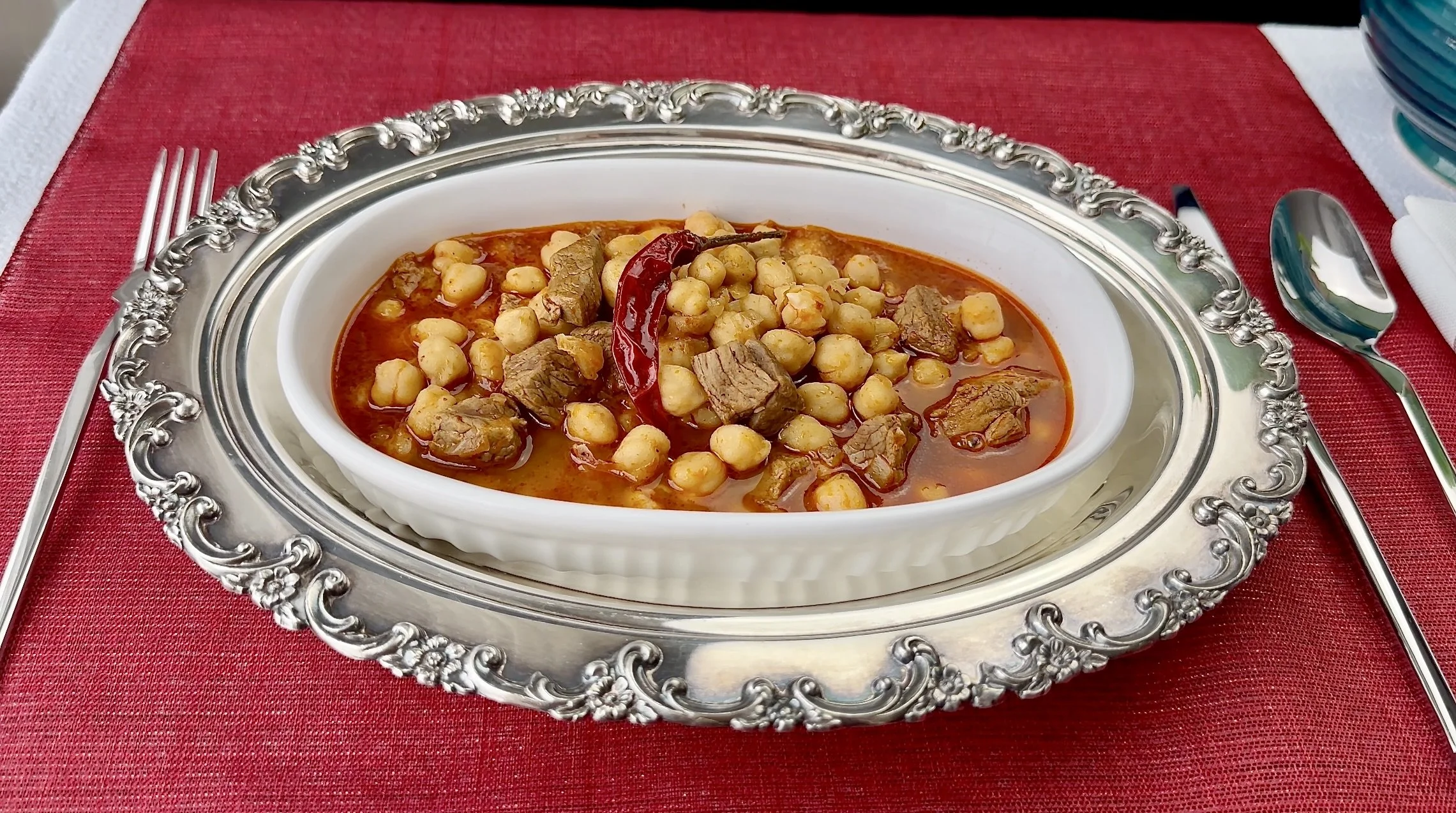
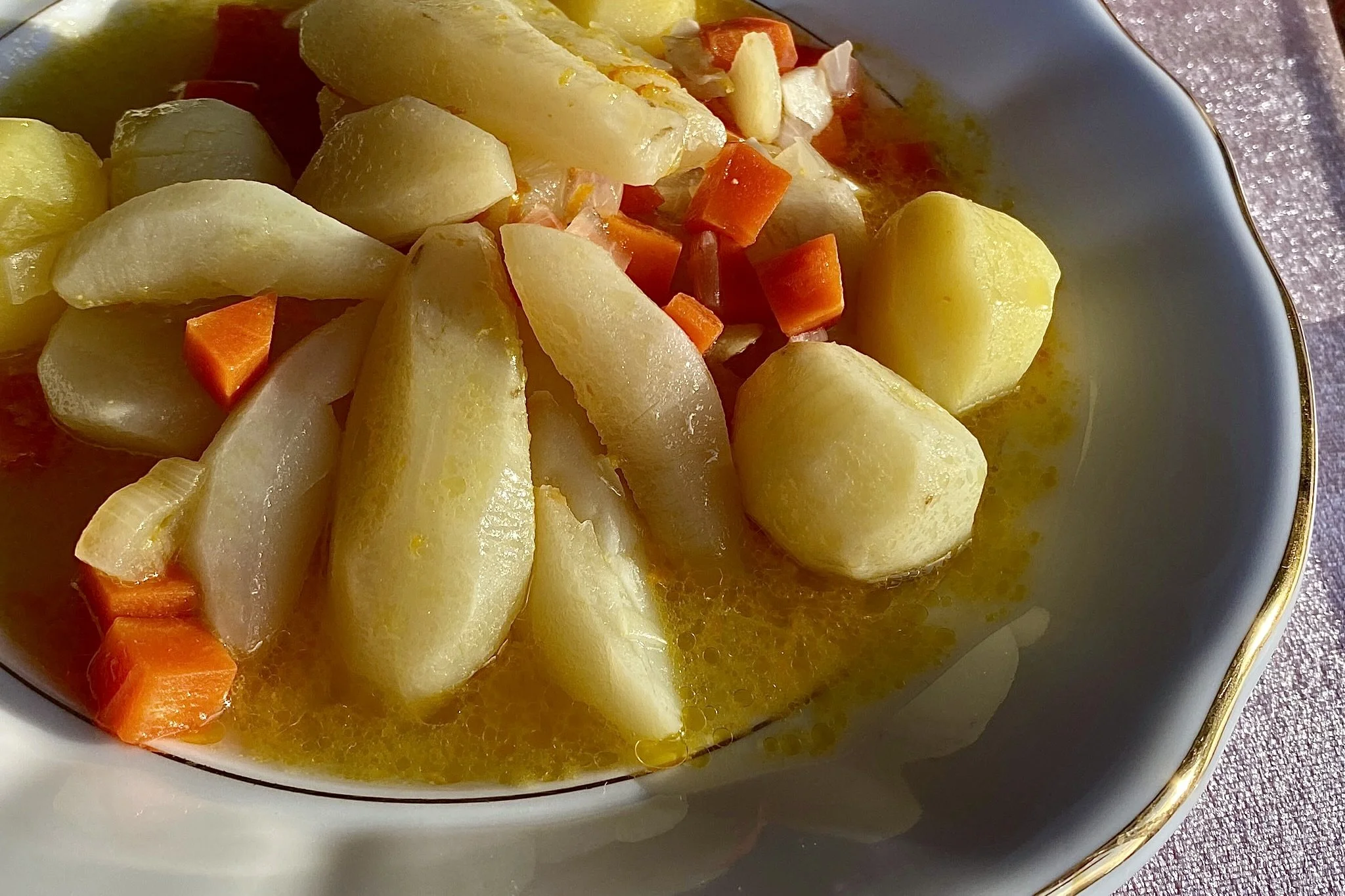
In summer, it sits gracefully beside olive oil–based vegetables and grilled fish. In winter, it brightens hearty meat stews. And for children, it’s often their first love on the family table; a golden, fragrant meal that never feels heavy.
Ingredients
2 cups (590 g) Baldo or Calrose rice
160 g (1 large) carrot, grated
160 g (1 large) onion, diced
1/2 cup olive oil (preferably Riviera type for cooking)
3 cups water
½ tbsp salt
1 tbsp black currants (kuş üzümü) or raisins
Directions
PREPARATION:
Wash, peel, and grate the carrot.
Wash, peel, and finely dice the onion.
Wash and drain the rice until the water runs clear to remove excess starch.
COOKING:
Heat the olive oil in a large, shallow pot over medium heat.
Add the grated carrot and sauté for 2 minutes until its colour begins to tint the oil.
Stir in the diced onion and cook for 1–2 minutes, until softened.
Add the rice and stir continuously for 2–3 minutes until the grains turn translucent.
Add water, salt, and black currants. Stir gently to combine.
Cover and bring to a gentle boil. Once boiling, reduce heat to the lowest setting.
Cook for 18–20 minutes, or until the water is absorbed and small holes appear on the surface.
Remove from heat and let rest, covered, for 15–20 minutes before serving.
SERVING:
Fluff the pilav gently to release steam and separate the grains.
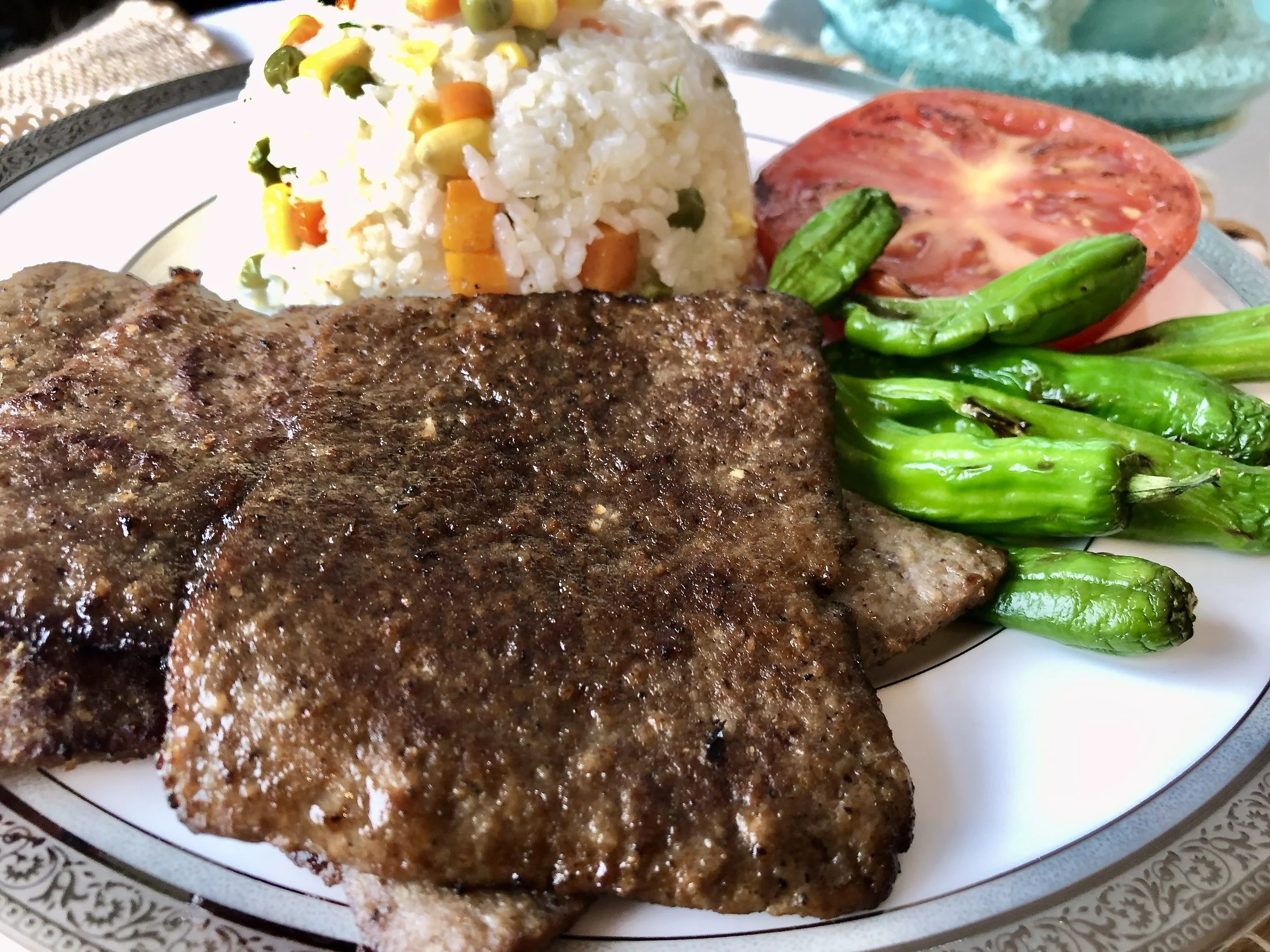
Serve warm alongside grilled meats, poultry, or olive oil–based vegetable dishes.
Or enjoy it alone as a simple, nourishing meal.
[Notes from the Kitchen]
For each cup of rice, use about 1½ cups water; carrots release their own juices, reducing the need for more.
For a sweeter version, substitute black currants with golden raisins.
You can add cooked chicken or lamb pieces to transform it into a one-pot meal.
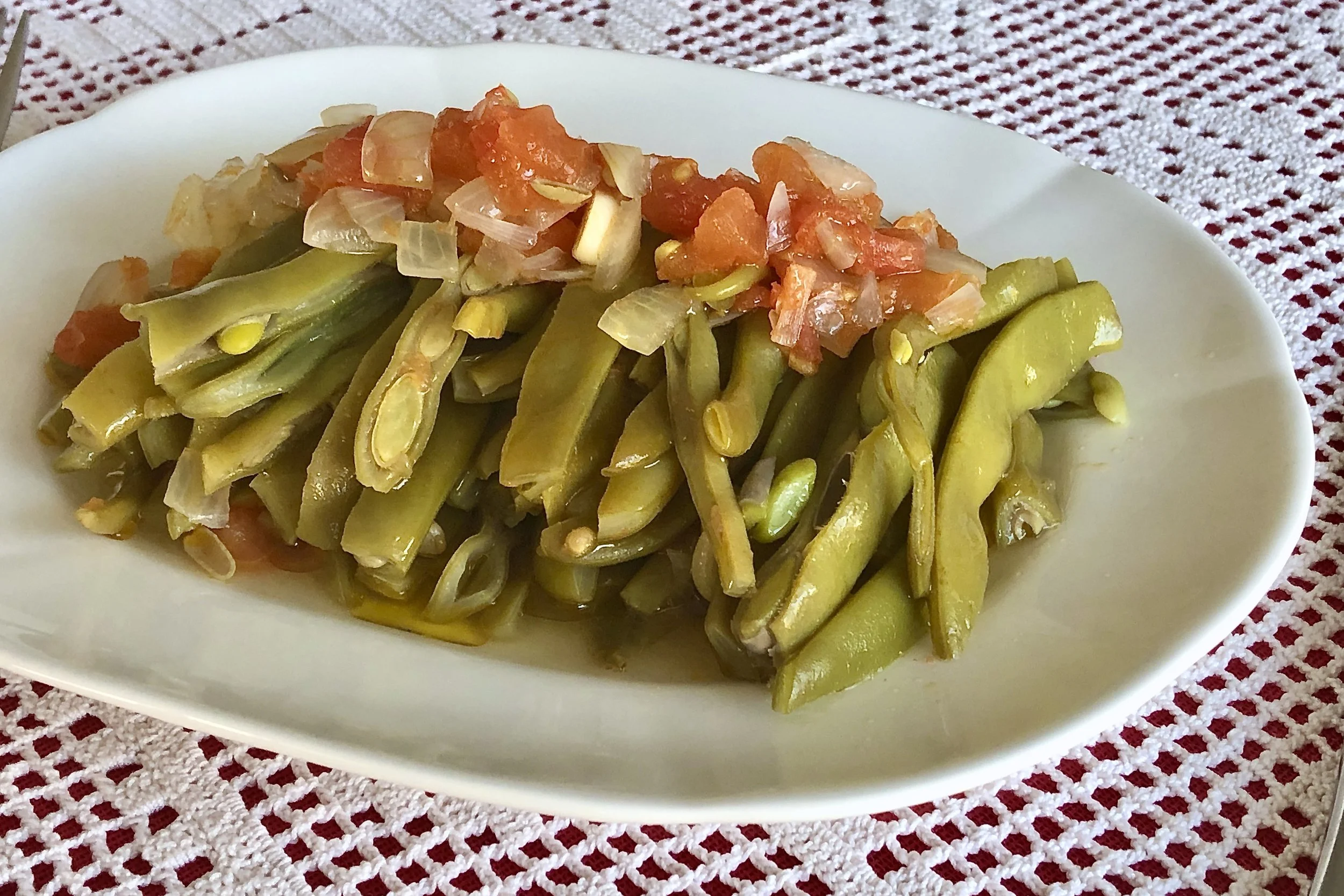
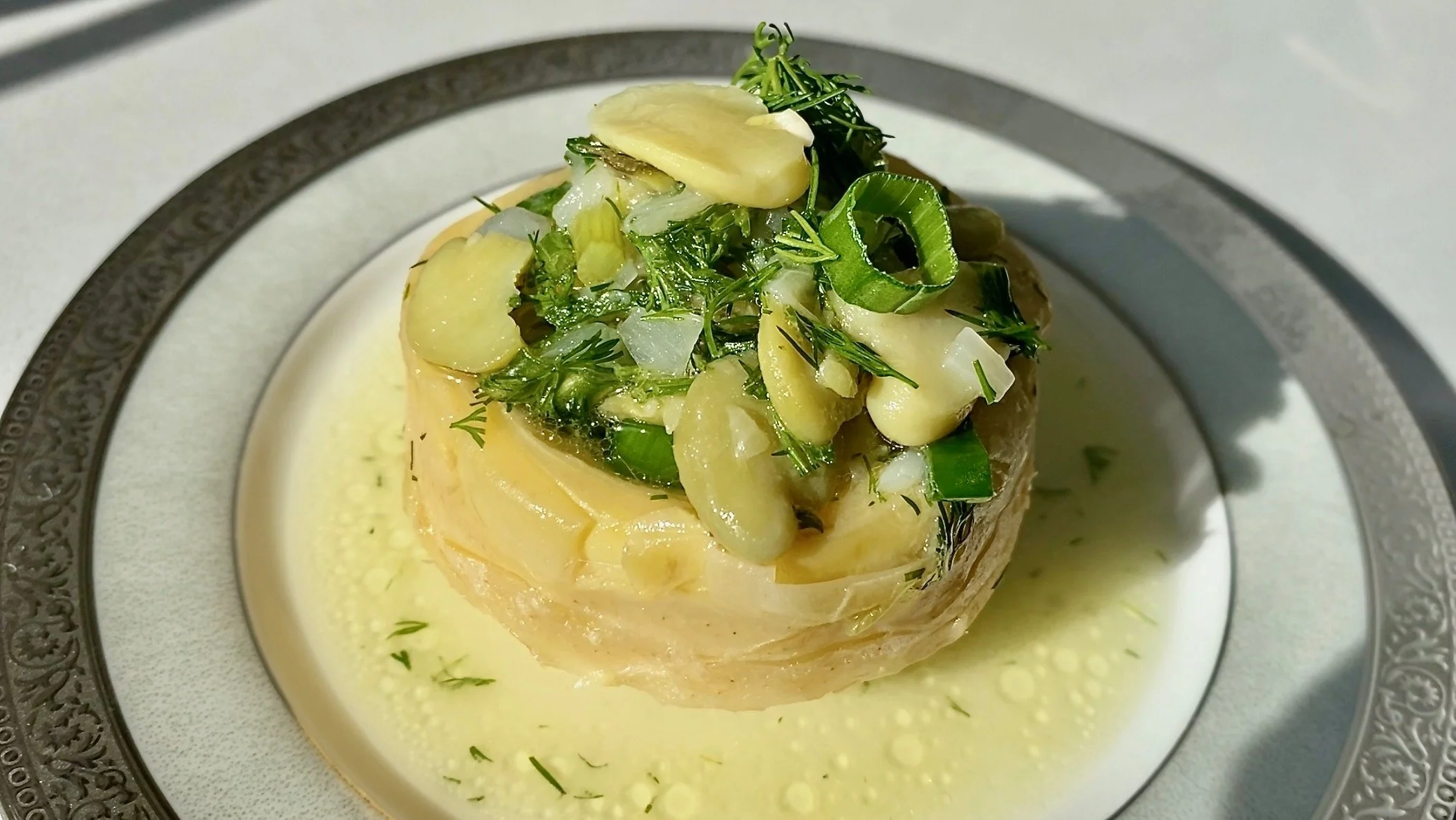
This pilav pairs beautifully with olive oil (zeytinyağlı) dishes like Fresh green beans, Artichoke Hearts with Fava Beans or Wild Purslane & Chickpea Salad.