Orzo Pilav | Arpa Şehriye Pilavı
ORZO PILAV RECIPE VIDEO
Note: By clicking on this video, you allow third parties (YouTube and Google) to access your data. Visit our privacy policy for more info.
A classic Turkish Side for Roasted Lamb
In Turkish kitchens, pilav is never a background dish. It listens, absorbs, and completes the main story on the plate. Orzo pilav, made with arpa şehriye, carries this role with particular elegance. Though it looks like rice, orzo is pasta, yet in Turkish cuisine, it is never treated like one.
Instead of boiling and draining, orzo is patiently toasted in olive oil and butter until it turns golden and fragrant. This step awakens its nutty aroma and prepares it to absorb just enough liquid, creating a pilav that is rich, distinct, and softly chewy. Each grain stands on its own, glossy but never sticky.
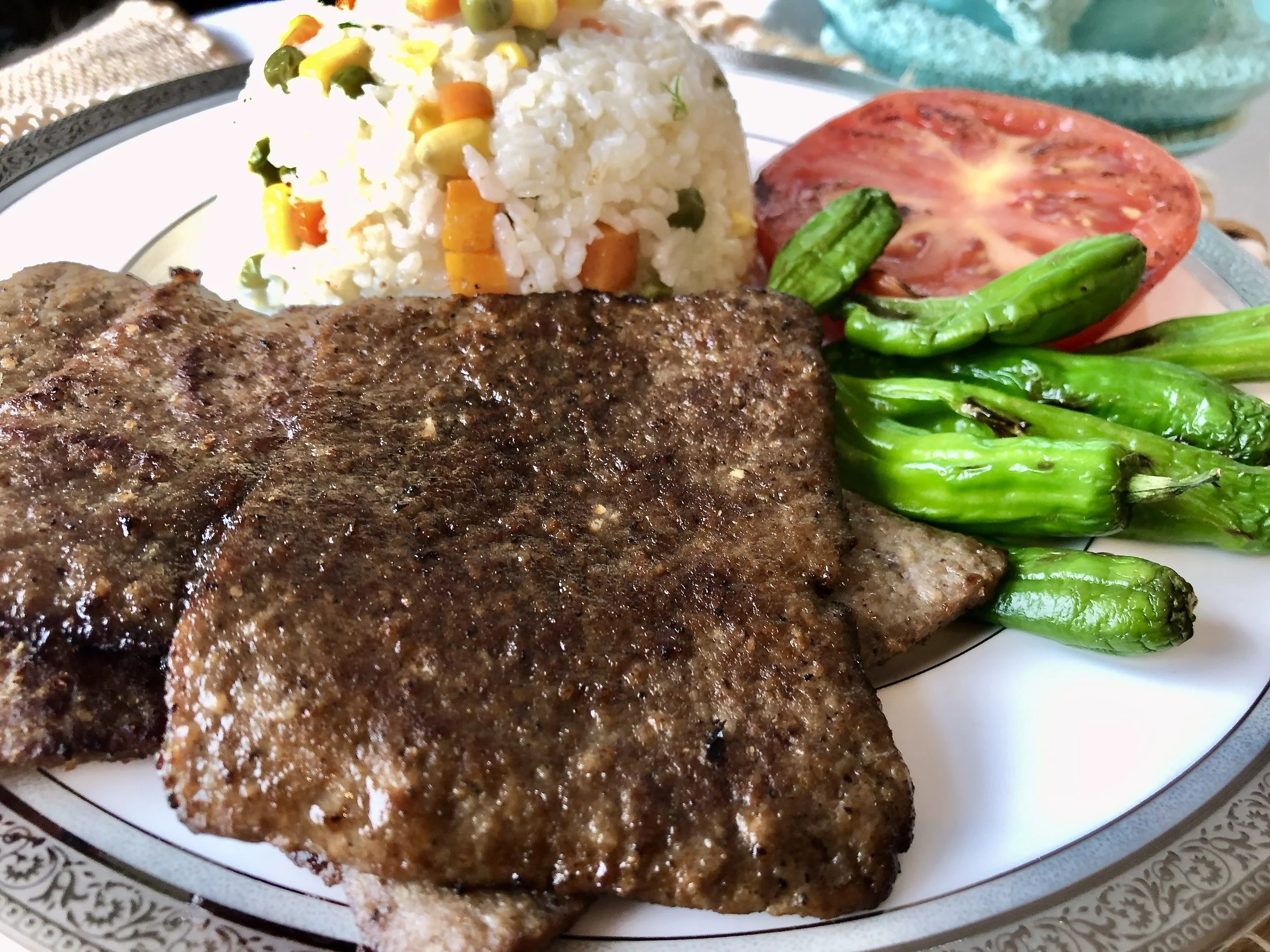
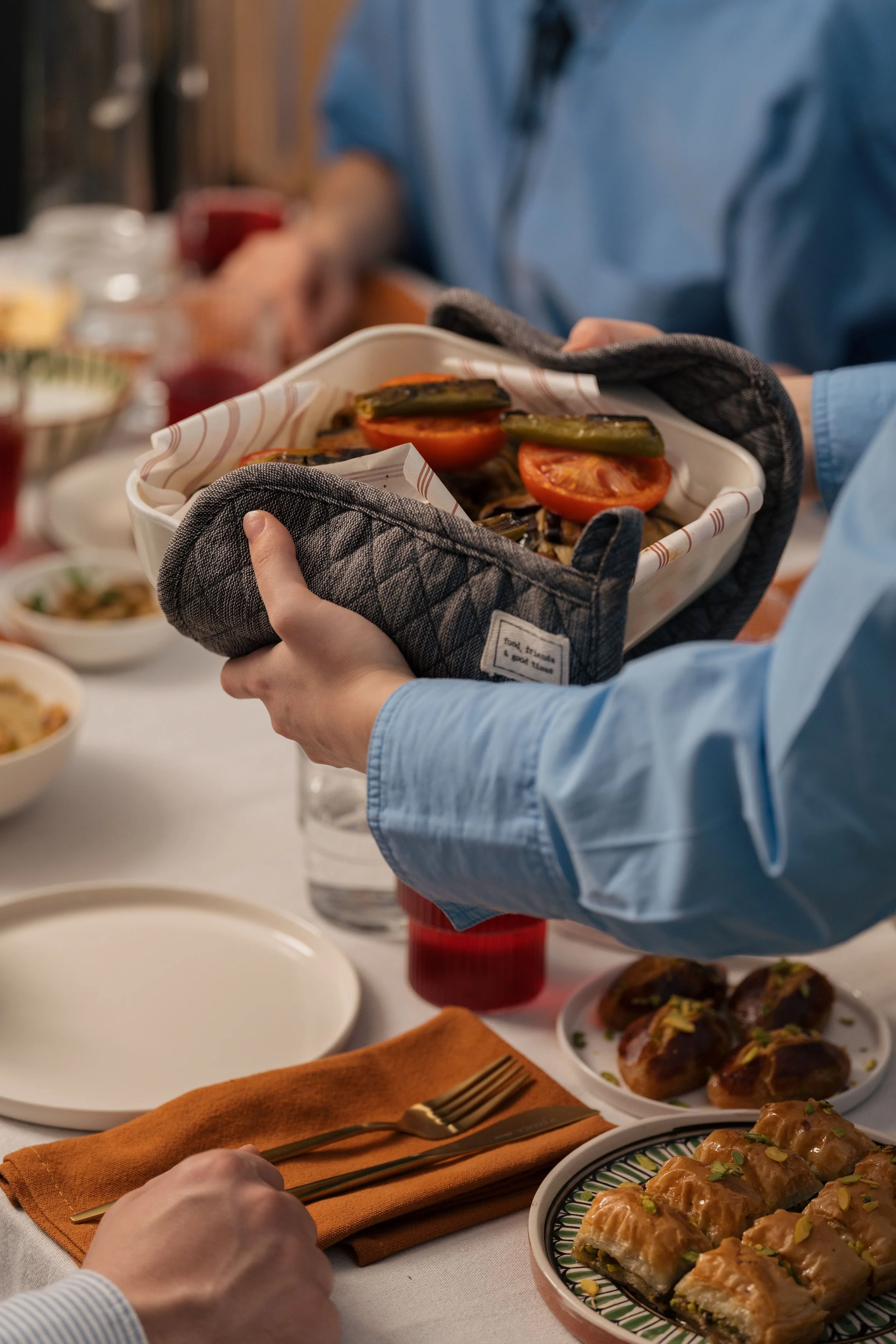
Orzo pilav is most often served alongside roasted or grilled meats, especially lamb shoulder. The buttery depth of the pilav welcomes the lamb’s juices, soaking them gently without overpowering the meat. On festive tables and everyday family meals alike, this pairing feels inevitable.
Beyond hot dishes, orzo pilav has another life. When cooked simply with olive oil and cooled to room temperature, it becomes a perfect base for summer salads; ready to be enriched with fresh herbs, greens, and lightly tangy dressings. One technique, many seasons.
This is a foundational recipe, taught quietly in home kitchens and remembered by feel rather than measurement. Once you understand the method, it becomes second nature.
Ingredients
2 cups orzo (arpa şehriye)
1/4 cup olive oil
60 g butter
3 cups chicken broth (or water)
1/2 tbsp salt
Directions
COOKING:
Pour the olive oil into a wide, shallow, thick-bottomed pot suitable for pilav. Add the orzo.
Toast over medium-high heat, stirring continuously for 3–4 minutes, until the orzo turns evenly golden brown. Continuous stirring ensures even roasting and prevents burning.
Add the butter and let it melt completely, coating the toasted orzo.
Pour in the chicken broth and add the salt. Stir once to separate any clumps.
Cover the pot and bring to a gentle boil.
Once boiling begins, reduce the heat to the lowest setting. Do not stir.
Cook for 10–15 minutes, until all the liquid is absorbed. You will hear a soft, dry bubbling sound.
Remove the pot from the heat without opening the lid. Let the pilav rest for 12–15 minutes.
SERVING:
Gently fluff with a fork to release steam while keeping the orzo intact.
Transfer to a serving plate or serve directly from the pot.
Serve warm, ideally alongside roasted lamb shoulder, grilled meats, or vegetable dishes.
[Notes from the Kitchen]
Never boil and drain orzo like pasta. This removes flavour and destroys its pilav texture.
Use a 1.5 : 1 liquid-to-orzo ratio for perfectly cooked grains.
Toasting is essential. If you are sensitive to oils, dry-toast the orzo first, then add the fats.
Pilav must cook slowly. Vigorous boiling extracts excess starch and makes the orzo sticky.
Adequate fat prevents clumping and ensures a glossy finish.
For a summer version, cook using olive oil only and let cool before adding herbs and vegetables.
Resting is not optional. This step allows each grain to settle and separate beautifully.