
Cleaning Leafy Vegetables | Mediterranean Kitchen
Properly choosing, washing, drying, and storing leafy greens can stretch their fridge life from two days to a full week. Keep roots on, rehydrate wilted produce, soak, then wash by hand, dry completely, and store in a breathable container with a towel to absorb moisture. Especially for delicate greens like spinach, herbs, lettuce, swiss chard, leeks, and spring mixes. Having efficient ways to properly clean and store leafy vegetables is essential for Turkish cuisine and all other Mediterranean cuisines.
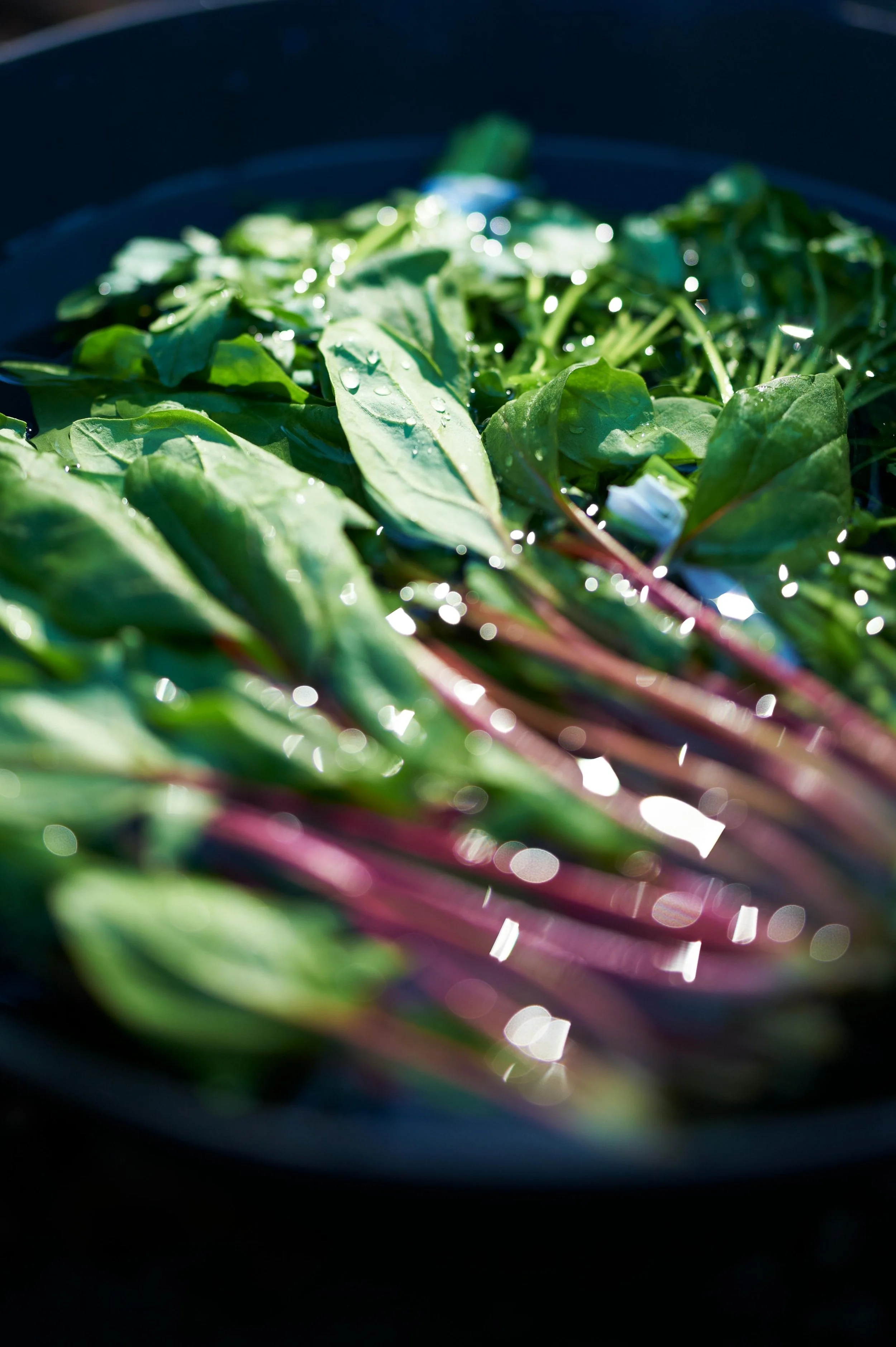
Image by Snapwire via Pexels.com
Knowing how to choose, wash, dry, and store delicate greens properly is the difference between produce lasting two days or a full week in the fridge, because excess moisture, trapped dirt, and damaged leaves speed up decay almost immediately. Tender greens like spinach, swiss chard, herbs, spring mixes, and lettuce keep much longer when they’re rehydrated first, washed gently, dried thoroughly, and stored in a breathable container with something to absorb extra moisture.
How to Wash Leaves
Let the greens sit in water with their roots still attached first. Then, when you’re ready to use them, separate the leaves and rinse them well. That soak loosens the dirt, but it also lets the leaves absorb water again, so they perk back up and become much easier clean and much nicer to eat.
This matters especially with produce from the grocery store. By the time lettuce, parsley, spinach, or herbs travel from the field to the warehouse, from the warehouse to the store, and finally into your kitchen, at least a couple of days have passed. During that time, the plant loses moisture. First let it rehydrate a little in water, then wash it properly with clean water.
Lettuce, parsley, spinach… whatever the green is, try to eat it within a week. After that, leafy vegetables start collapsing in on themselves. They wilt, release water, soften, and eventually rot.
Doesn’t Washed Produce Spoil Faster?
Most produce sold in supermarkets has already been washed at least once before it reaches you. So the old idea of “leave the dirt on so it stays fresh longer” doesn’t really apply anymore. If you wash your greens the day you buy them, wrap them in a clean cloth, and keep them in a clean container or bag in the fridge, you can use them quickly whenever you need them without having to soak and rinse every time you want a salad (and without shortening their life in the fridge).
“Pre-Washed” Veggies
Modern grocery culture got us used to greens that seem ready to eat straight out of the package. Those little baby spinach leaves and boxed spring mixes are treated so they survive shipping and refrigeration without spoiling immediately. Then there are the pesticides sprayed in the field before harvest. And still, we live in a time when even a single contaminated lettuce leaf can make dozens of people sick because everyone trusts the words “pre-washed.”
No matter what, greens should be washed carefully by hand, not just soaked in water and lifted out. Rinse them thoroughly with clean water. And always wash before cutting.
For the Home Gardener
If you want to grow your own vegetables one day, this is one of the first habits you need to learn. Don’t worry, being around soil already exposes your body to the microbes it naturally encounters through the air, through your hands, through everyday gardening. But still, wash your greens. Especially the undersides of leaves. Tiny insect eggs and dirt collect there more easily than you’d think.
Importance of Roots
Plants that still have their roots attached last longer after harvest because the root acts as a small reserve of water and energy. Leaves constantly lose moisture. Once the plant leaves the soil, the roots become a backup source that slows that process down.
And if you soak greens with the roots attached while washing, you can often eat the roots too. Take spinach roots (recipe here). If you cut them off too early and leave them sitting around, the ends separate and dry out. But they’re wonderful when soaked with the stems, then rinsed once all the sandy dirt has softened to be cleaned properly.
Special Cases
Leeks and green onions need extra attention. They grow in tight circular layers and in sandy soil, so dirt gets trapped between those layers. Sometimes you have to peel away one or two outer green leaves to clean them properly. Usually the white parts stay fairly clean because they’re packed tightly together. The green tops are where sand grains can hide.
Water in Turkish Culture
For Turks, cleanliness traditionally means washing with running water. It’s an old practice that predates Islam and still survives today as both habit and cultural knowledge. People avoided dirtying still water, so they preferred flowing water whenever possible. If there was no running water (like a river or stream), fresh poured water replaced it.
There’s an old belief that flowing water becomes purified after touching forty stones. Whether literal or symbolic, the idea shaped kitchen culture too: cleaning is done with fresh, moving water, whether it comes via pipes or buckets.
Leafy Greens in a Mediterranean Kitchen
If you want to eat the amount of greens common in Mediterranean shores (i.e. Turkish, Cypriot, Greek, Italian, etc.), you need to know how to clean them properly. For which, you only need three things: a deep bowl for soaking vegetables, a colander or rack for draining after washing, and either a salad spinner or a clean kitchen towel used only for drying clean fruits and vegetables.
Storage
Drying matters. Greens should never go into the refrigerator soaking wet. Otherwise they rot quickly.
After that, store them in a fridge-safe container with a lid, lined with a thin cloth or paper towel to absorb excess moisture released by the plant over time.














"A true hidden gem...very well done"
☺︎
"So underrated, I thought you had a million subscribers"
♥︎
"Thank you for these recipes...the explanation is so precise. Now I'm following you."
☺︎
"This reminds me of what my mom used to make...thank you"
♥︎
"A true hidden gem...very well done" ☺︎ "So underrated, I thought you had a million subscribers" ♥︎ "Thank you for these recipes...the explanation is so precise. Now I'm following you." ☺︎ "This reminds me of what my mom used to make...thank you" ♥︎












I’m less interested in a home that looks beautiful than in one that works beautifully. Real domestic luxury is having enough knowledge of ingredients, seasons, tradition and your own household that you need fewer instructions and can make good decisions with what you already have. Fairies’ Cuisine is about passing on that kind of practical fluency so beauty becomes lived-in, convenience remains a choice, and the kitchen gradually feels less like a problem to solve and more like a place that welcomes you.