
Taste of Istanbul: City of Empires
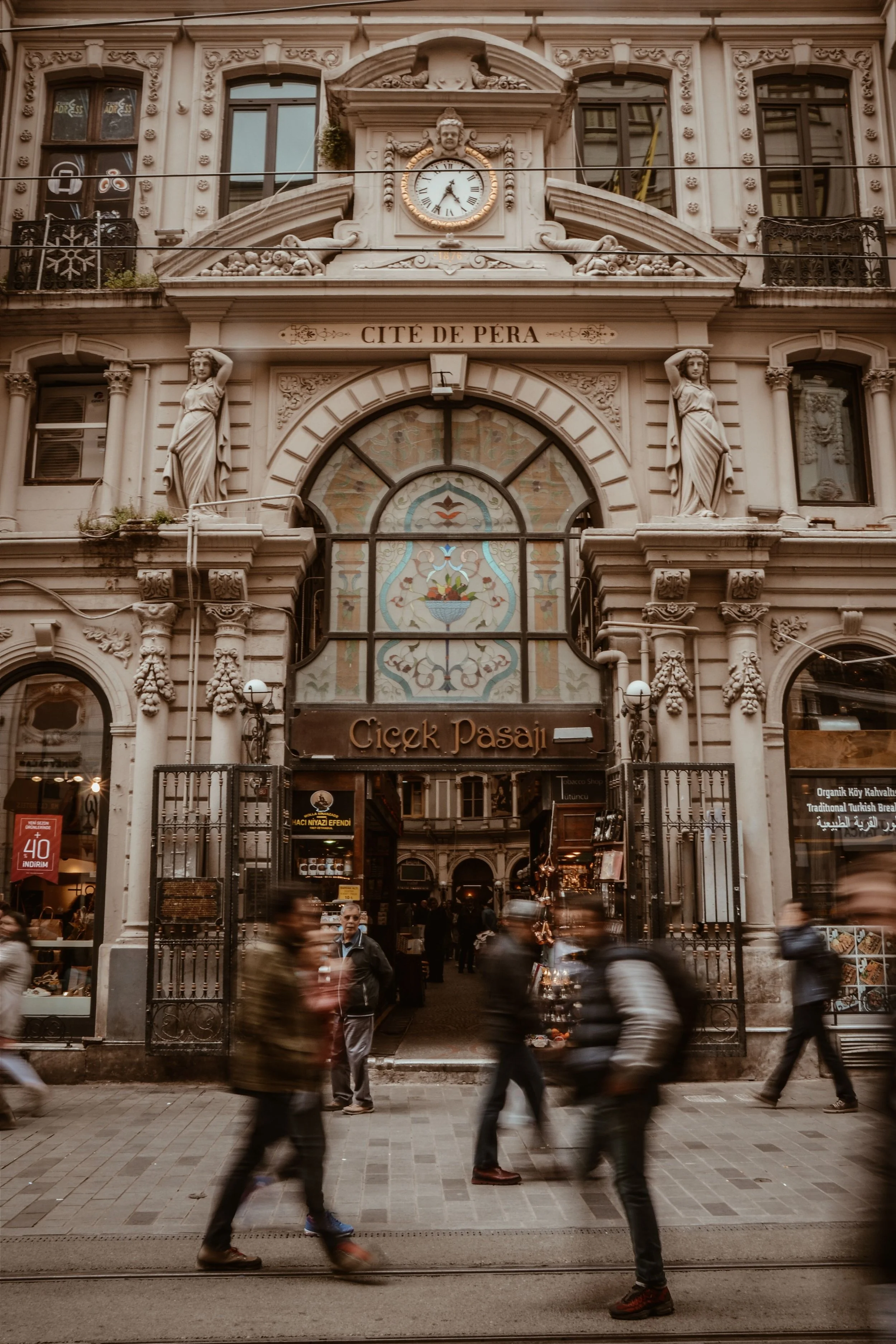
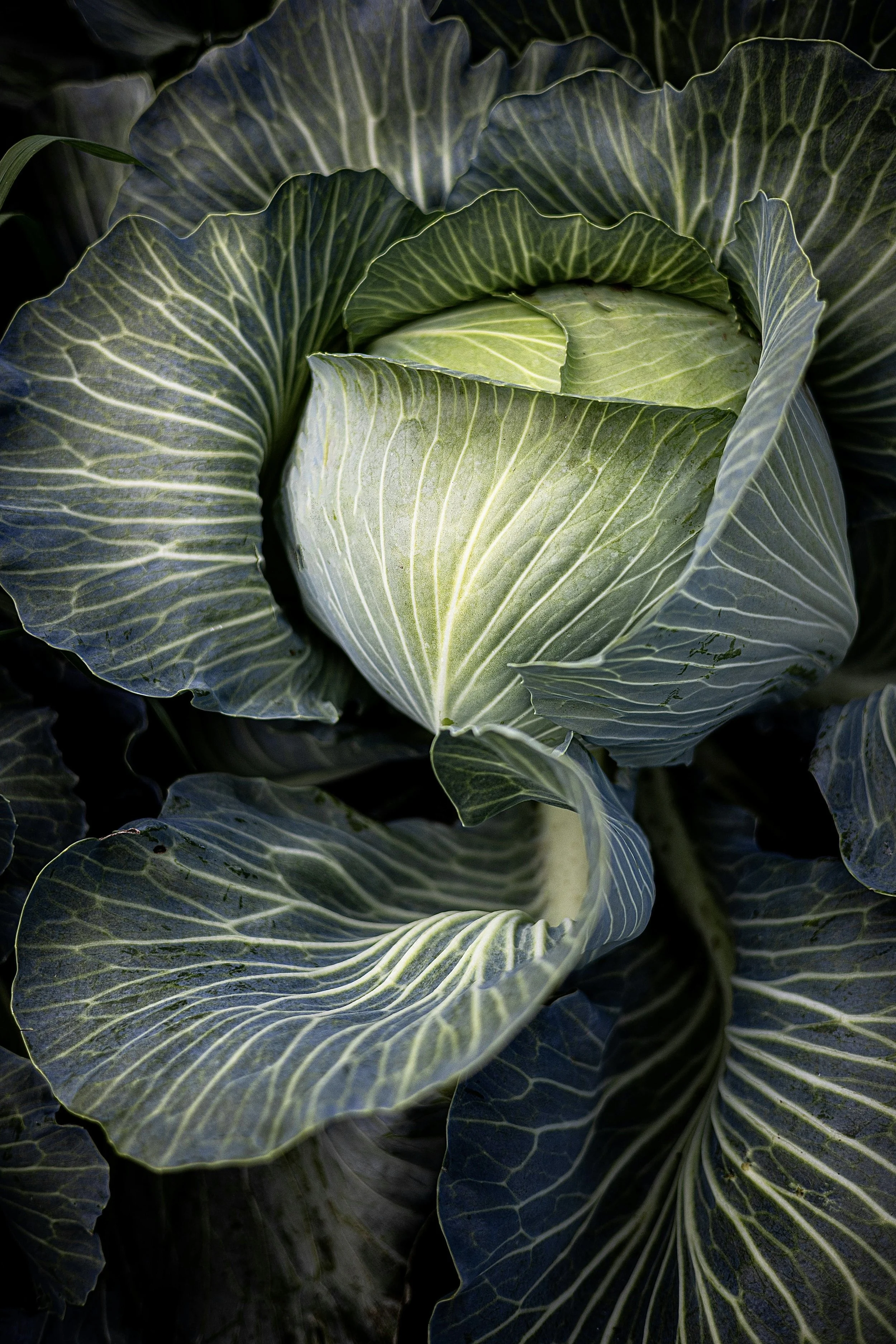
Image by Gül Işık via Pexels.com
Istanbul style did not appear out of nowhere.
The city’s urban story reaches back to Byzantion, founded by Greek-speaking Megarian colonists in the seventh century BCE. Long before that, the wider Istanbul region had human settlement: Yarımburgaz Cave near Küçükçekmece carries Lower Paleolithic evidence often dated around 400,000 years ago, while later Neolithic settlements such as Fikirtepe and Pendik place settled life in the region many thousands of years before the city became an imperial capital.
This matters because Istanbul has always been more than a point on a map. It has been a place people arrived at, passed through, claimed, lost, remembered, renamed, and returned to.
Its names carry that history. Byzantion. New Rome. Constantinople. Kostantiniyye. Istanbul. The modern name Istanbul is commonly traced to Greek everyday speech, from a phrase meaning “to the city” or “in the city.” There is something quietly perfect about that. The Turkish Republic insisted that the world call the city by the name used in this land, yet that name itself carried Greek memory. Even the name behaves like Istanbul: it receives, adapts, keeps, and continues.
Foreign governments and publics took time to follow the official Turkish usage after 1930. The old name lingered in Western languages, maps, mail, songs, and habit. A popular American song later turned that resistance into a joke. But the serious point remains. Calling the city Istanbul was a national act, yes. It was also an act of continuity. A Turkish government chose a name rooted in the speech of people who had also belonged to the city. That is Istanbul in one word.
The city’s food formed the same way.
Istanbul style was built from long proximity. Greek/Rum, Armenian, Sephardic Jewish, Muslim Turkish, Balkan, Levantine, Black Sea, Anatolian, Mediterranean, and many other communities lived close enough to share markets, trades, apartment buildings, holidays, techniques, ingredients, and kitchen habits. This was centuries of contact, beginning long before the modern nation-state and continuing through Byzantine, Ottoman, and Republican life.
That kind of city produces something more interesting than purity. It produces judgment.
A dish may arrive from elsewhere and still become Istanbul style. A pastry, a fish preparation, a pilav, a meze, a stew, a sherbet, a stuffed vegetable, or a sweet can enter the city from another region and slowly change. The fat becomes cleaner. The spice becomes more measured. The vegetable becomes more visible. The sourness becomes more precise. The dish learns how to sit at an Istanbul table.
The land taught this too.
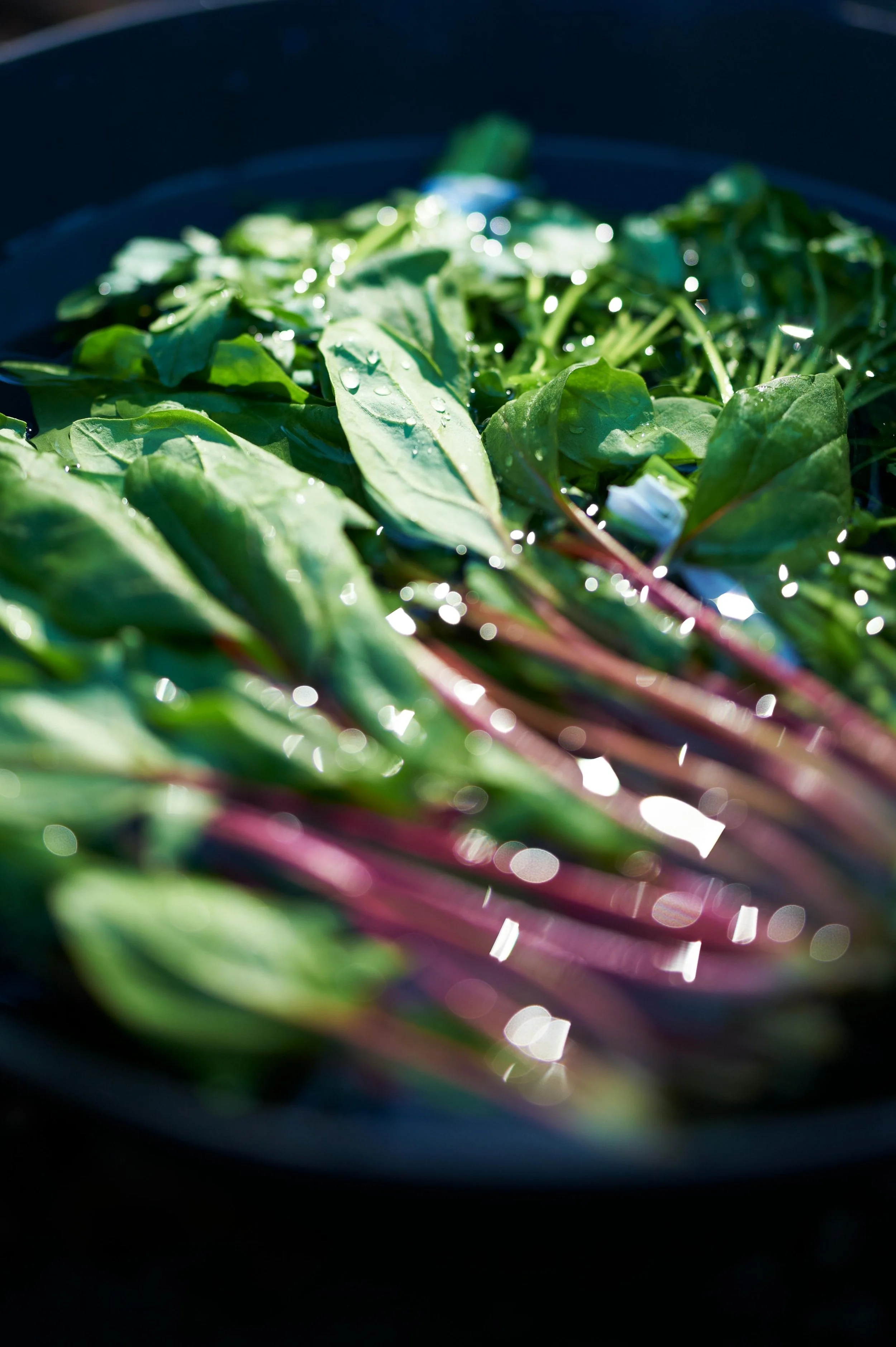
Istanbul was once fed much more directly by its own gardens, orchards, dairies, fishing villages, and nearby fields. Its bostans were practical urban farms, not decorative nostalgia. The Yedikule gardens along the old city walls are among the best-known examples, with a cultivation tradition often linked to the Byzantine period and described as roughly 1,500 years old. Yedikule lettuce became famous enough to carry the name of its place. Other neighbourhood names also stayed attached to taste: Çengelköy cucumber, Bayrampaşa artichoke, Arnavutköy strawberry, Kavak fig.
These names are small archives. They show that Istanbul taste came from soil as well as empire. A city with fresh greens, artichokes, cucumbers, figs, strawberries, plums, dairy, fish, herbs, olive oil, grains, and fruit learns a different kind of cooking from a city forced to depend mainly on preservation, paste, smoke, salt, or fat. It learns freshness. It learns timing. It learns restraint.
The water taught another lesson.
The Bosphorus and Marmara sit inside a living corridor between the Black Sea, the Marmara, the Aegean, and the Mediterranean. Fish move through these waters by season. Bonito, bluefish, mackerel, and other migratory fish helped build the city’s everyday food culture. Fish was accessible, nourishing, and close. For many Istanbulites, it was simply food from the water in front of them.
My mother also believes the fish of these waters taste different because they pass through a gentle geography. They move from cold to warm, through currents, straits, and an inland sea that seems to soften everything it touches. Science can speak about migration corridors, salinity, currents, and season. Mothers can say the fish had a good journey. Both explanations can stay at the table.
Then there were the markets.
The Grand Bazaar as we know it took shape under the Ottomans after the conquest, beginning with the bedestens built under Mehmed II. Yet the commercial life of that area sits inside a much older city habit. Constantinople already had forums, markets, trade routes, workshops, and imperial exchange. The Ottomans gave this commercial energy new structure, roof, security, guild logic, and scale. Over time, the bazaar became one of the great market hearts of the world.
Istanbul’s markets mattered because they gathered more than spices. They gathered cloth, silk, metalwork, porcelain, fruit, sugar, coffee, fish, tools, habits, techniques, gossip, and ambition. Traders and producers across long routes had every reason to want their goods seen in Istanbul. To reach an Istanbul market meant reaching a city that could turn goods into taste, fashion, status, ritual, and memory.
This is why Istanbul style feels refined even when the dish is simple. It comes from access, but also from discipline. The city had ingredients. It also had standards.
The palace and the people shaped those standards together. Palace kitchens organized labour, technique, provisioning, taste, and ceremony at an extraordinary scale. Cooks specialized. Ingredients were selected carefully. Dishes were judged, repeated, improved, and served within a culture of manners.
But culinary intelligence also moved upward from the city. Palace cooks came from somewhere. Markets supplied the kitchens. Fishermen, gardeners, dairy producers, bakers, pickle makers, sherbet makers, and neighbourhood cooks all carried knowledge. Fish entered elite kitchens through a city that already knew its waters. Vegetables entered courtly refinement through people who already grew, bought, cleaned, stuffed, simmered, and served them.
This exchange became especially powerful under Ottoman rule because Ottoman culture had a strong habit of adoption. The Turks who arrived with Inner Asian and steppe foodways had already adapted through Anatolia. In Istanbul, they adapted again. A people long associated with meat, dairy, grain, yogurt, and pastoral life became, in this city, a people for whom fish, olive oil dishes, stuffed vegetables, sherbets, fruit desserts, mezes, and delicate pilavs also felt completely natural.
That is one of the great lessons of Turkish cuisine. It can meet a new flavour without panic. It can absorb without disappearing.
Even the old Roman story of the city shadows this point. Constantinople was Rome for centuries; some say calling that world “Byzantine” later helped Europe keep the Roman word at a polite distance after 1453, but historians can argue about that in another room. At the table, the clearer truth is this: Istanbul inherited a Roman city, an imperial kitchen, a Greek-speaking urban memory, an Ottoman capital, an Anatolian appetite, and a Turkish capacity for adaptation.
So when we say Istanbul style, we mean this long filtering.
A city of names.
A city of gardens.
A city of fish.
A city of markets.
A city of world-class abundance and equally diverse heritage made one, yet distinct.
Istanbul style is not the default version of Turkish food. It is one of its great lenses.
Fairies' Cuisine explores the history, ingredients, and traditions behind Anatolian and Turkish cuisine. Istanbul is one of the most complex and rewarding places on earth to eat. We think it deserves to be understood as well as enjoyed.









"A true hidden gem...very well done"
☺︎
"So underrated, I thought you had a million subscribers"
♥︎
"Thank you for these recipes...the explanation is so precise. Now I'm following you."
☺︎
"This reminds me of what my mom used to make...thank you"
♥︎
"A true hidden gem...very well done" ☺︎ "So underrated, I thought you had a million subscribers" ♥︎ "Thank you for these recipes...the explanation is so precise. Now I'm following you." ☺︎ "This reminds me of what my mom used to make...thank you" ♥︎
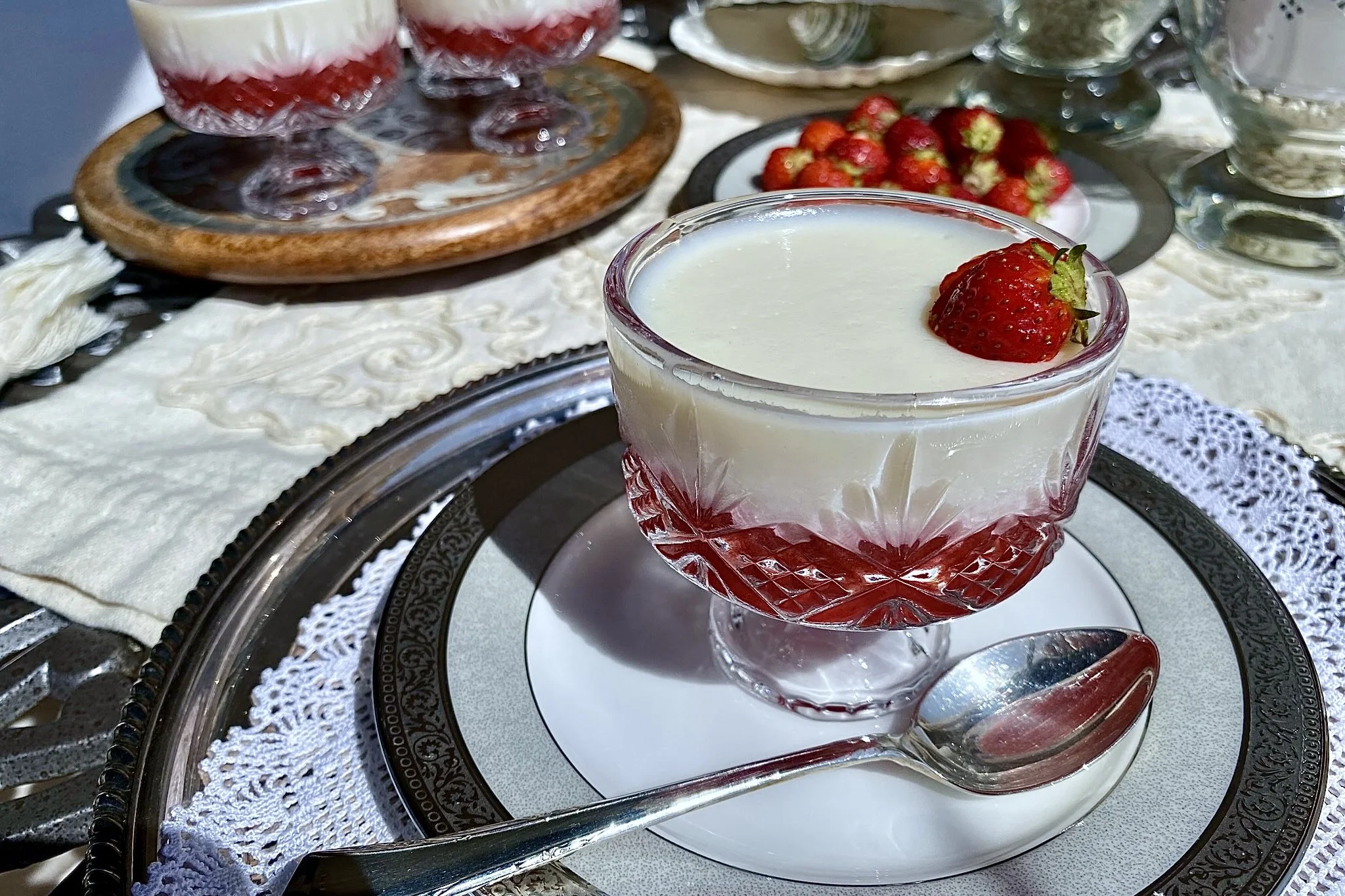
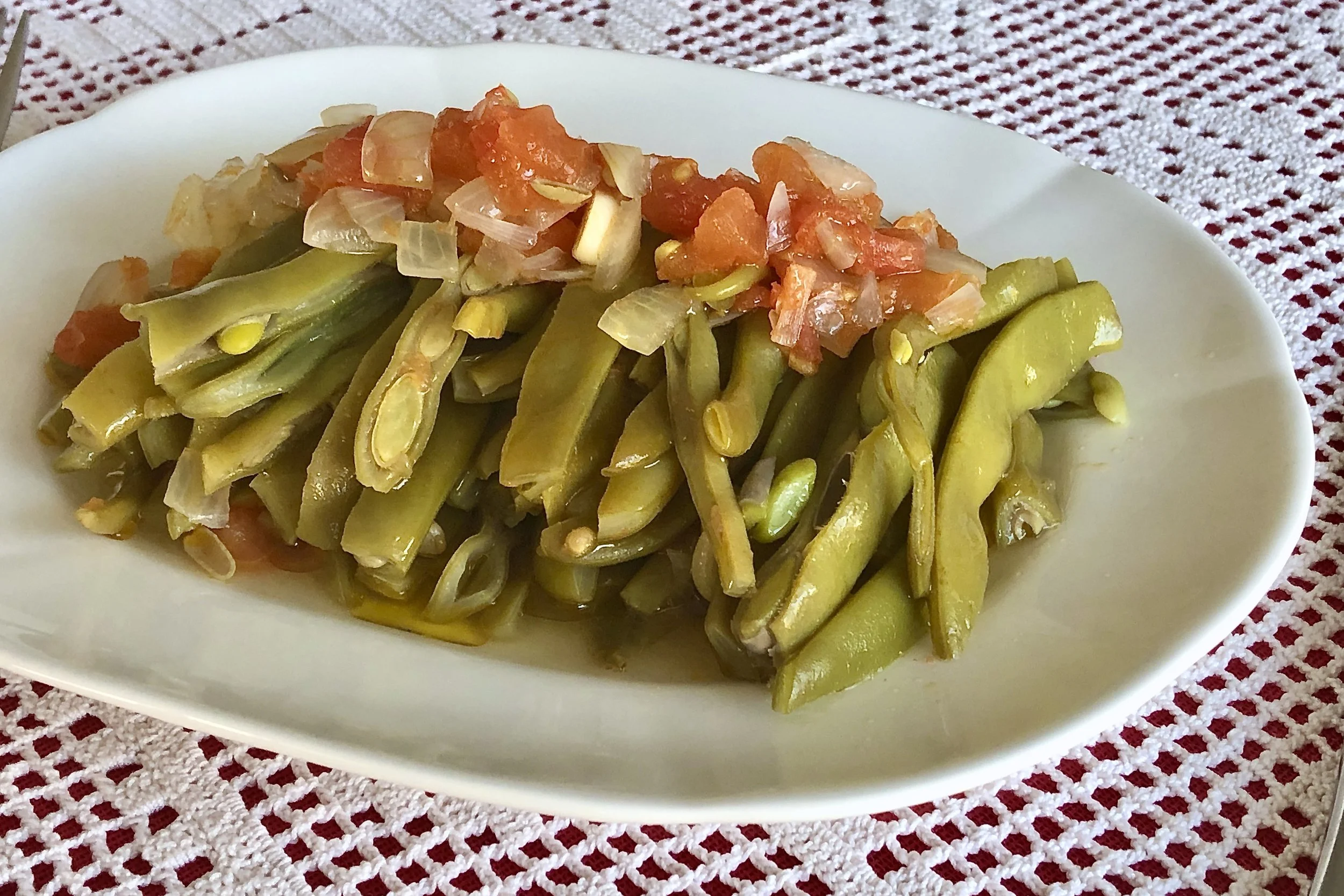
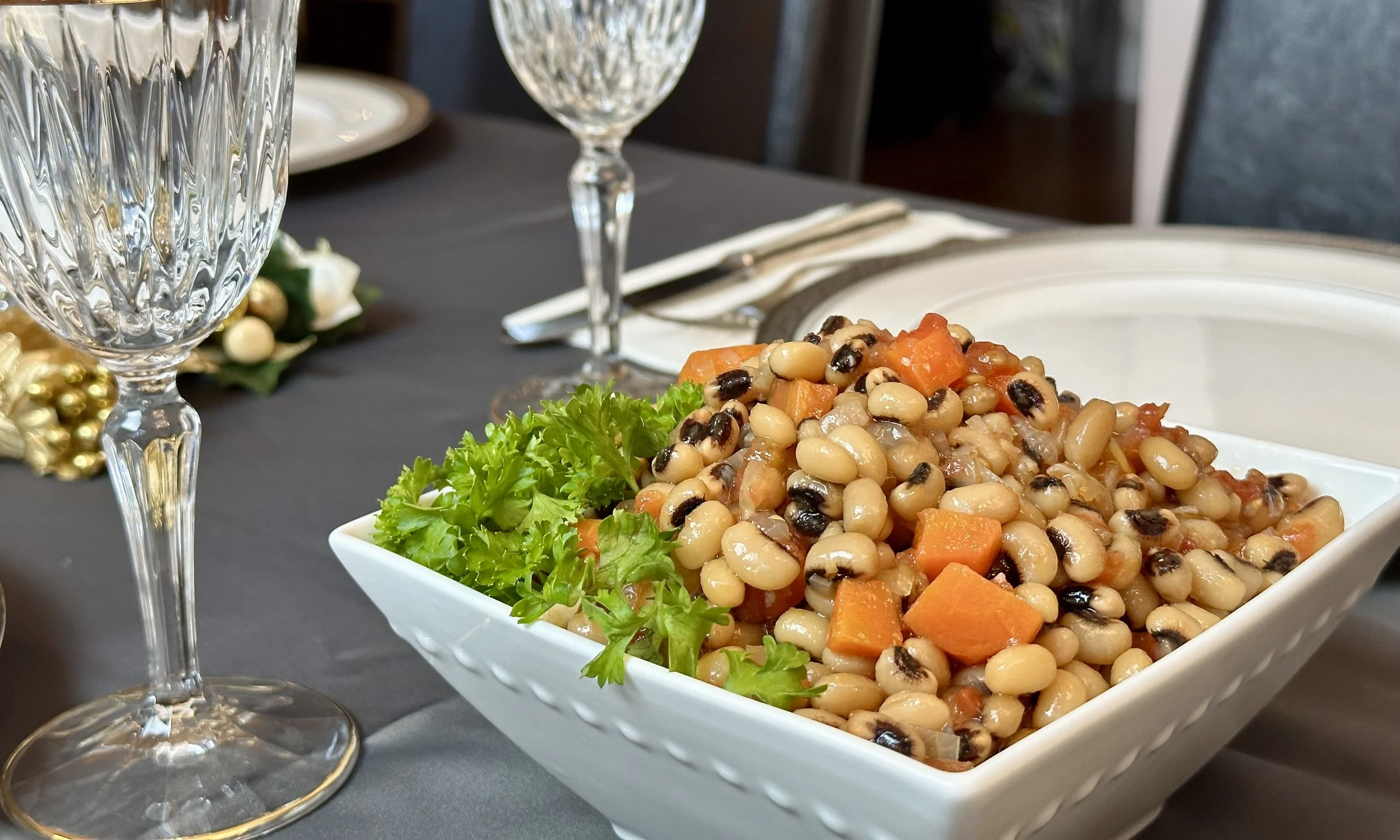

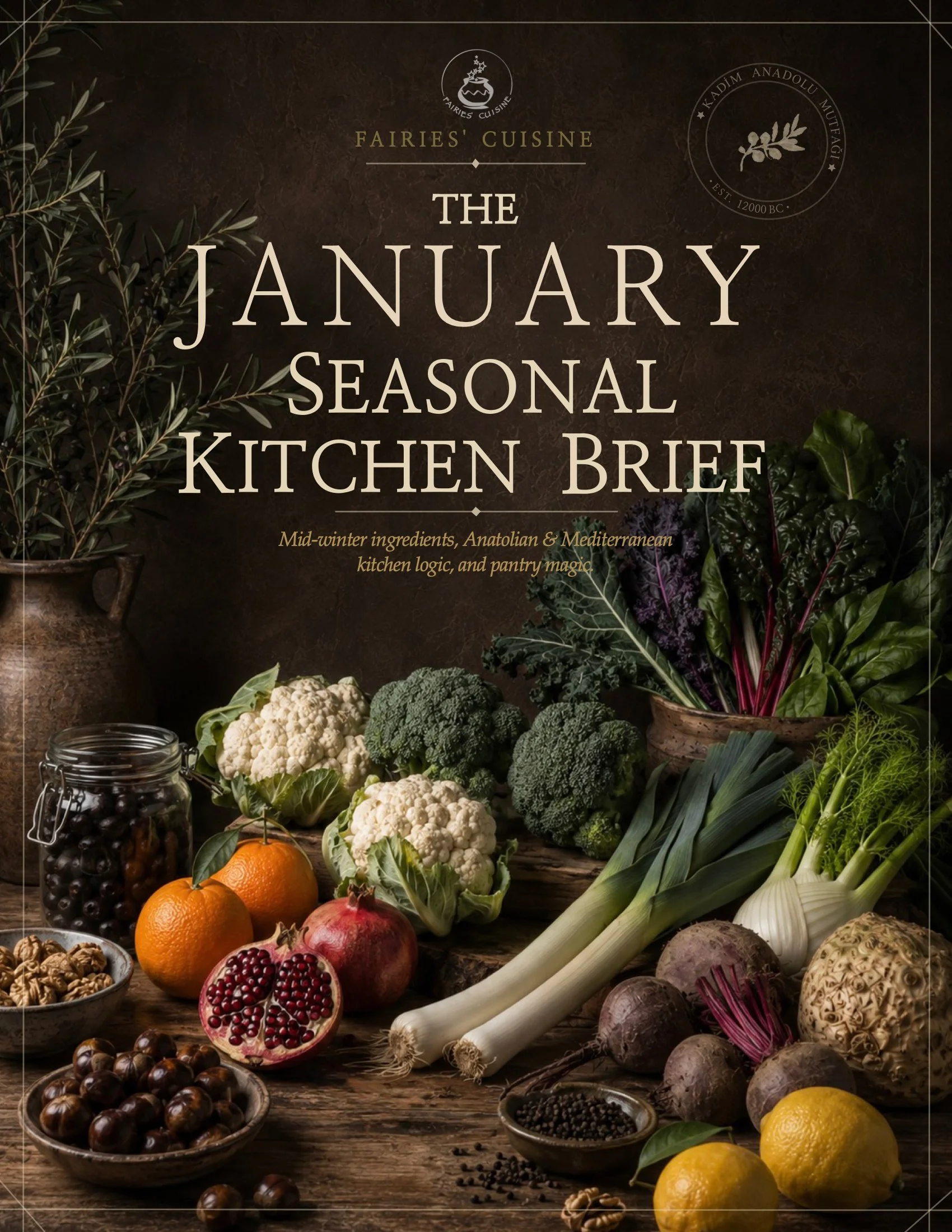
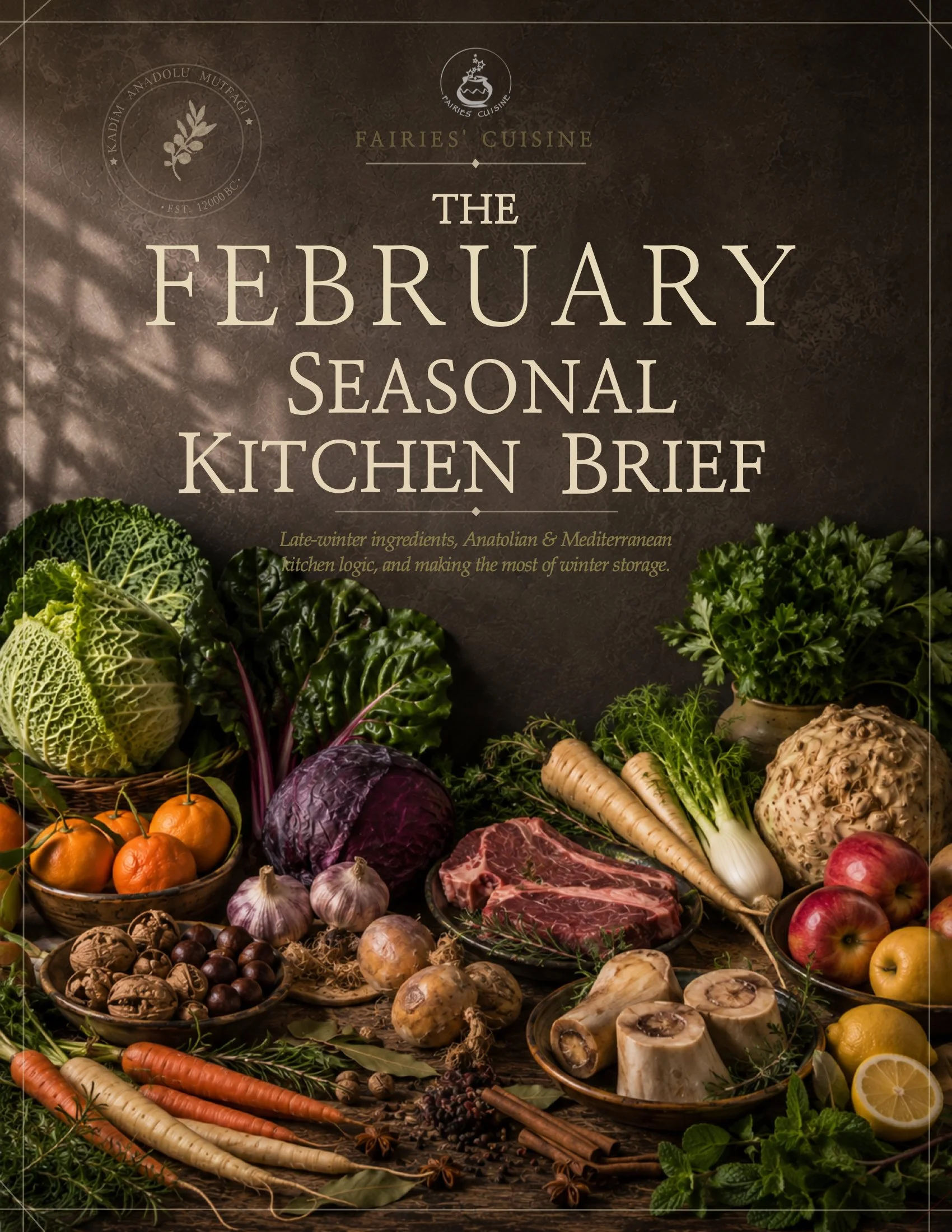
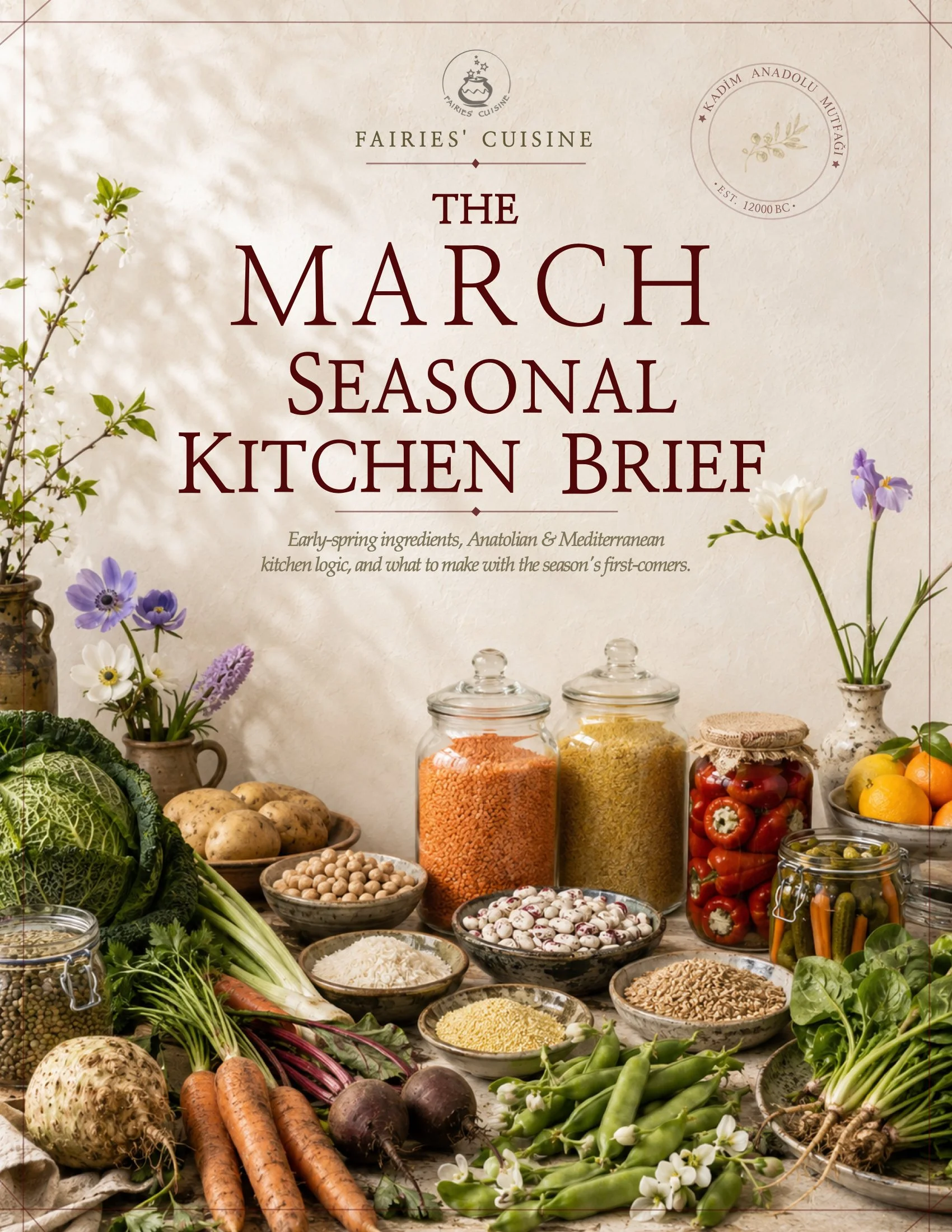

We have more recipes, ingredients and cooking advice than ever, yet many of us still feel strangely unsure of what to make for dinner. The missing piece is not more information, but household intelligence: the quiet judgment that comes from understanding ingredients, seasons, leftovers, techniques and how dishes can work together. Fairies’ Cuisine is about preserving and teaching that knowledge so recipes eventually become a reference, not a daily crutch.