
On the Rebranding of Pantry Staples
“Dearest gentle reader,
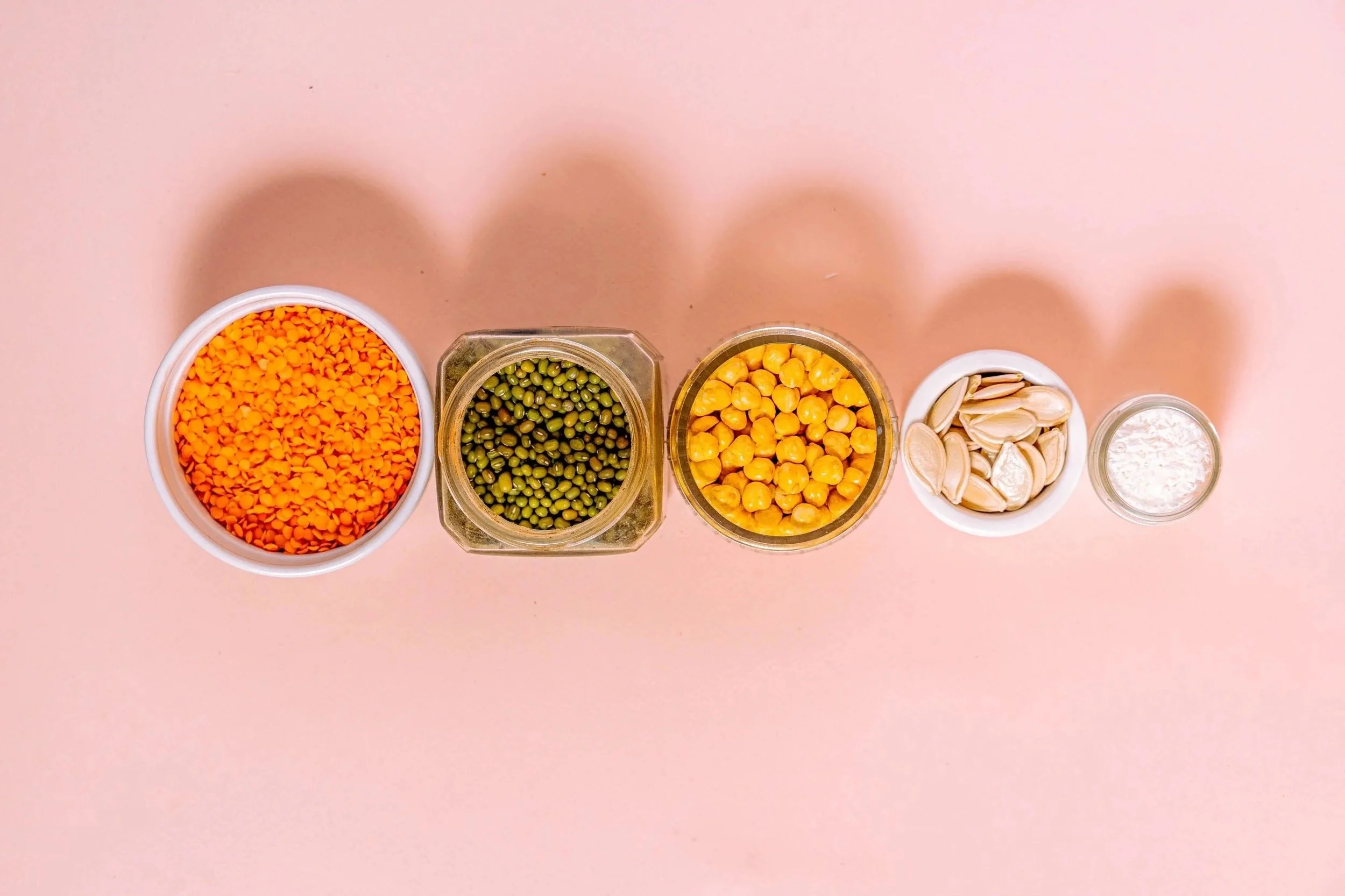
It has come to this author’s attention that, at some point each year, an ordinary ingredient is selected from the pantry and informed that it is extraordinary.
Yesterday, it was a seed.
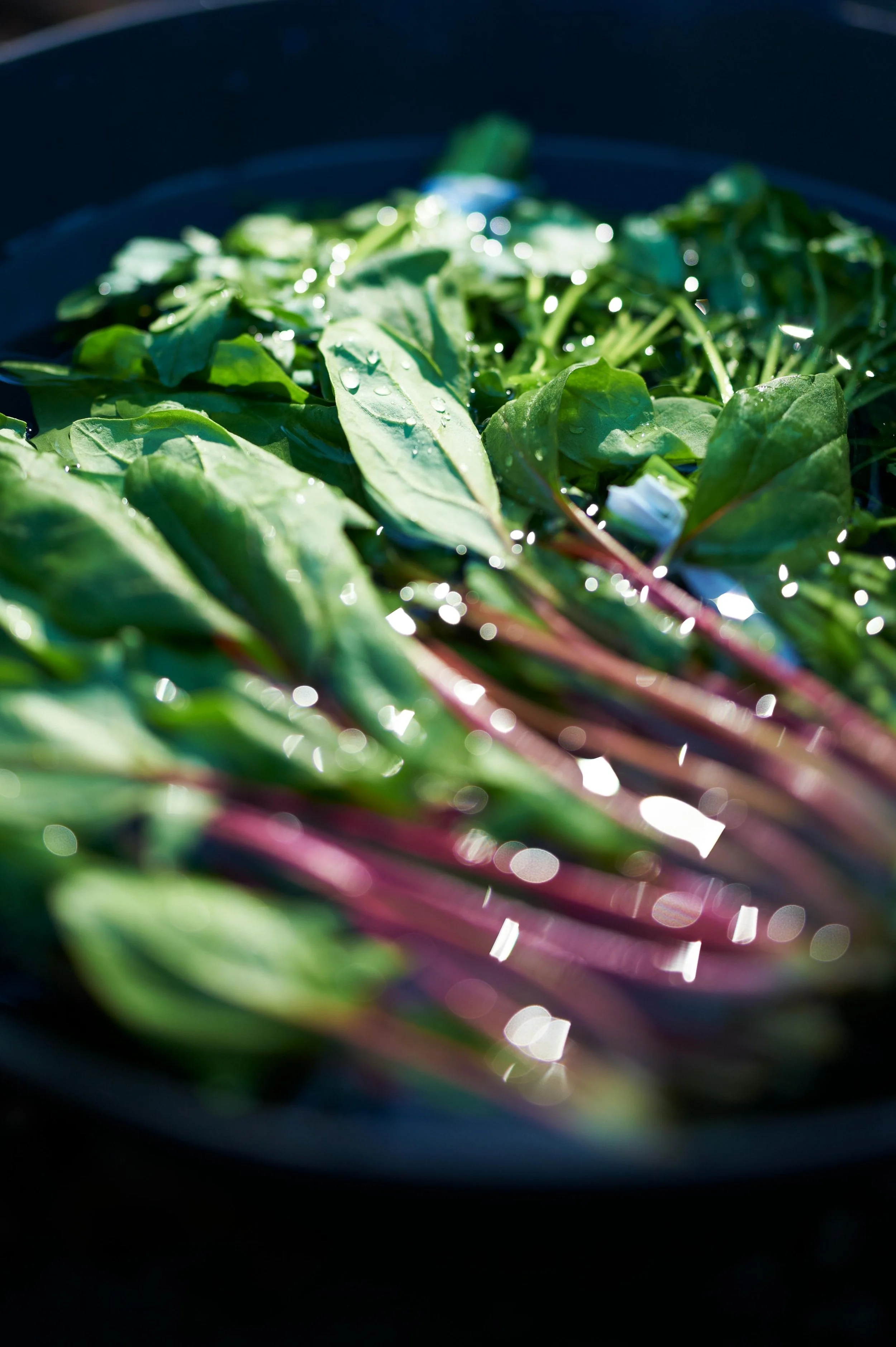
Before that, a leaf.
Next year, one suspects, a root vegetable of excellent character and limited social experience.
The chosen food is rarely new. On the contrary, it has often been cooked for centuries by people who had the poor judgment not to photograph it beside a linen napkin.
But no matter.
It has now been discovered.
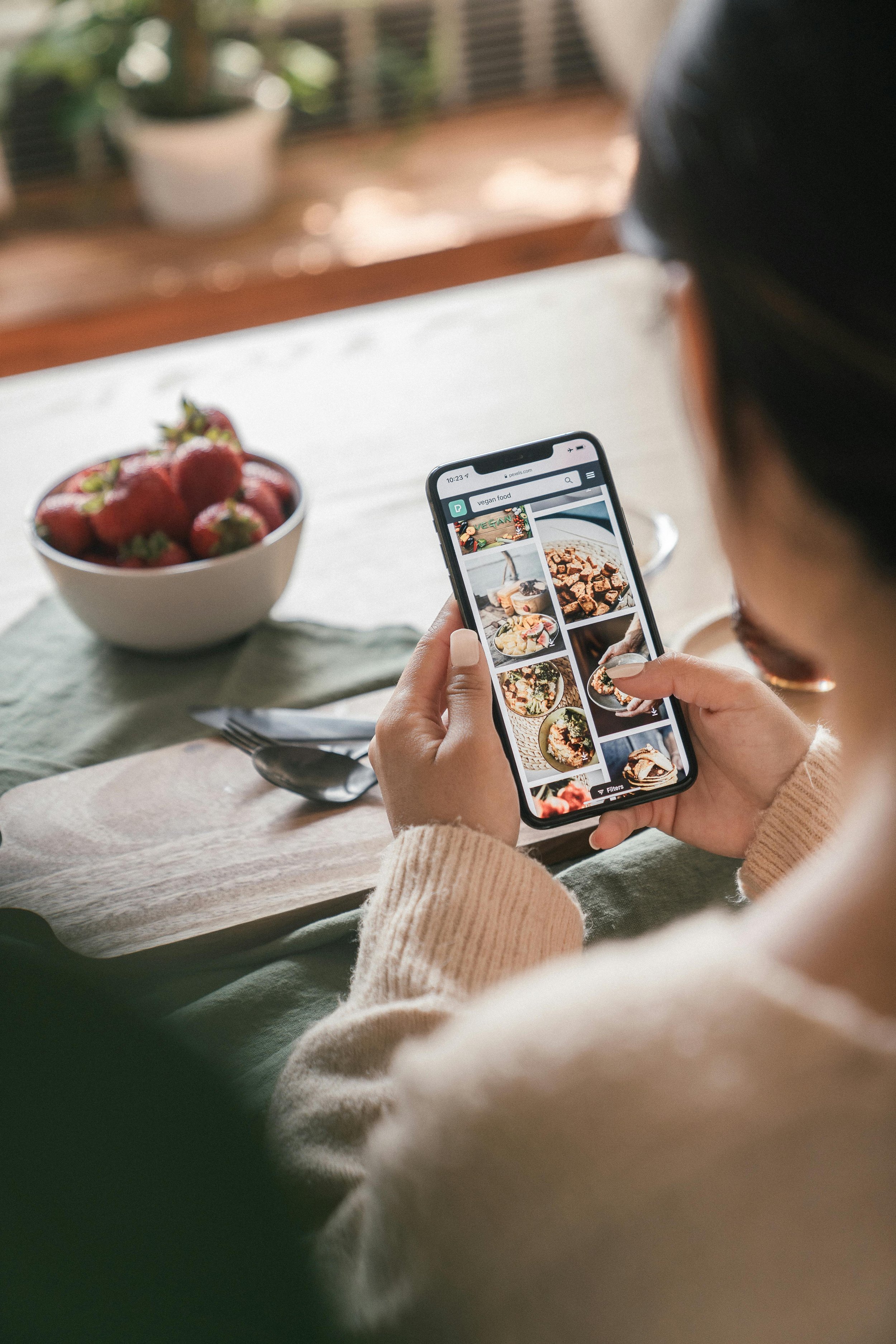
Within days, it appears in smoothies, breakfast bowls, energy bites, café menus and the conversation of one friend who has read half an article and feels transformed.
One no longer eats the ingredient.
One incorporates it.
Into everything.
Apparently, soup was not enough.
The coronation generally begins with a promising fact. The food contains fibre. Or protein. Or a vitamin. Perhaps a compound with a name sufficiently difficult to pronounce that no sensible person would dare question it.
Then comes the expansion of duties.
A humble seed is asked to improve digestion, concentration, skin, sleep, longevity and one’s general approach to Monday mornings.
How industrious.
Somewhere, a harvest has been plentiful. Somewhere else, a new export route has opened, a commodity campaign has found its slogan, or a study has been reduced to seven enthusiastic words.
None of this requires a conspiracy.
Only supply, publicity and our touching belief that health may be purchased by the spoonful.
Let us be fair. The ingredient may be nourishing. It may be delicious. It may deserve a place at the table.
The trouble begins when useful becomes miraculous.
A food that once assisted dinner is suddenly expected to rescue civilization before lunch.
And then, as swiftly as it rose, the star begins to fade.
The recipes slow. The powders move to the back of the cupboard. A new ingredient is announced, younger in reputation though frequently older in fact.
Might I suggest a less fashionable arrangement?
Eat a varied diet. Learn what a food does well. Use it where it belongs. Continue eating it after the internet has moved on.
There is dignity in remaining fond of an ingredient after it has lost its publicist.
After all, our grandmothers managed to cook nourishing meals without issuing annual awards to the pantry.
And the lentil, even before it became Tarhana, has never once asked to trend.”
This piece is published as part of our On the Matter of Food series, where we occasionally step back from recipes to observe the curious ways modern food culture evolves. This particular essay is written as a playful homage to the wit of Lady Whistledown (Netflix’s Bridgerton).










We have more recipes, ingredients and cooking advice than ever, yet many of us still feel strangely unsure of what to make for dinner. The missing piece is not more information, but household intelligence: the quiet judgment that comes from understanding ingredients, seasons, leftovers, techniques and how dishes can work together. Fairies’ Cuisine is about preserving and teaching that knowledge so recipes eventually become a reference, not a daily crutch.