
Chilingir Sofrası: Good Food, Rakı, and the Art of Unlocking Hearts Through Conversation
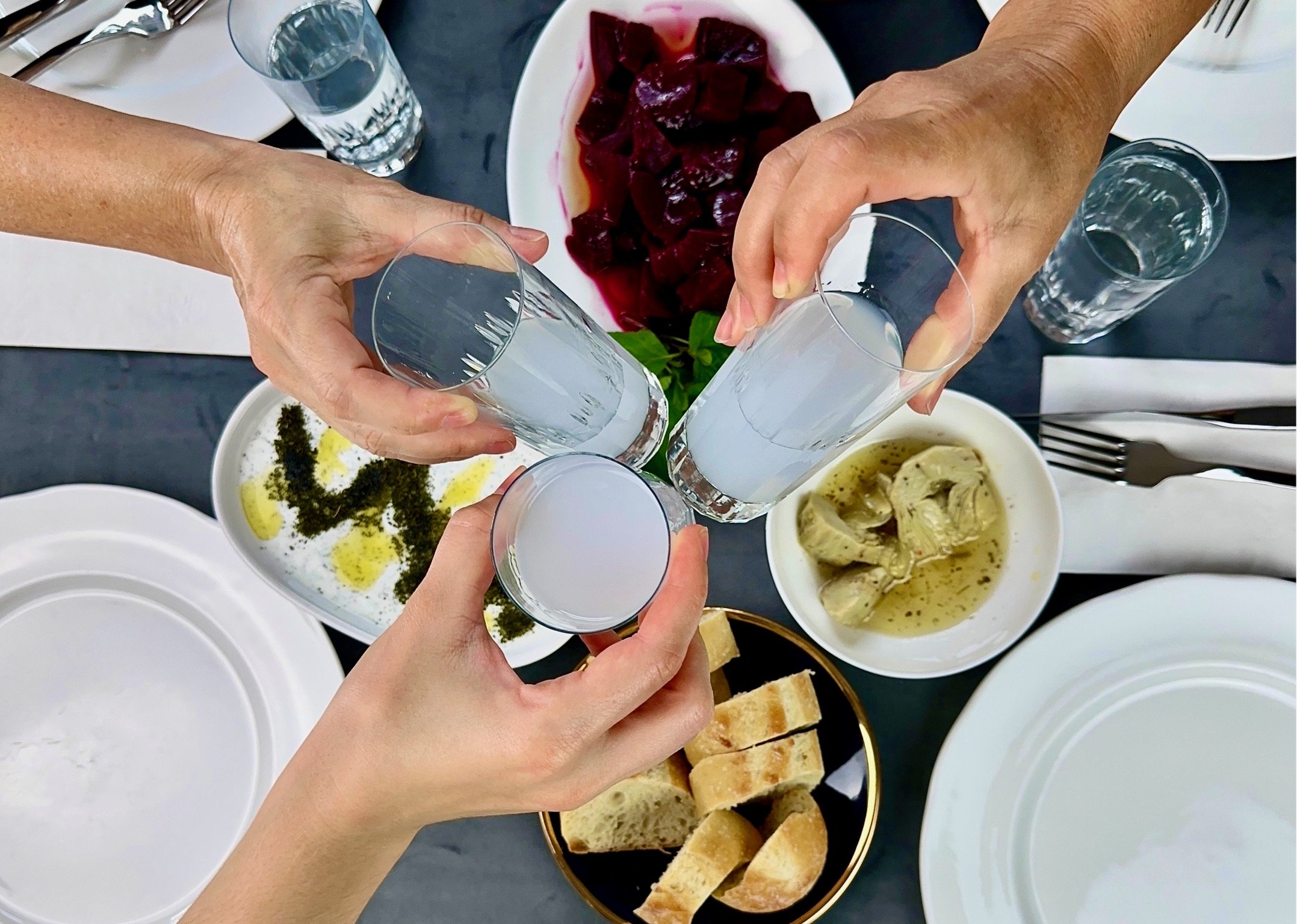
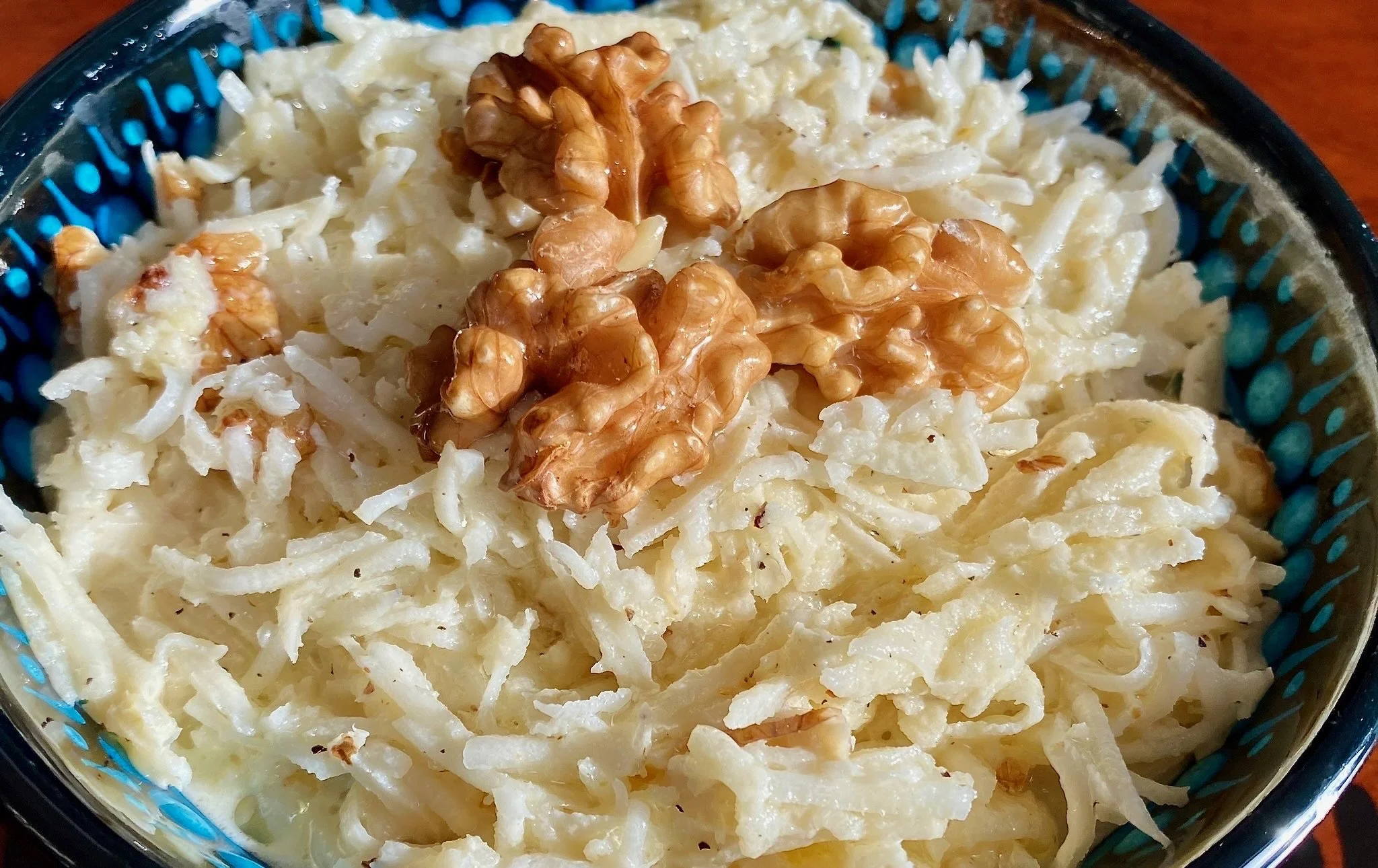
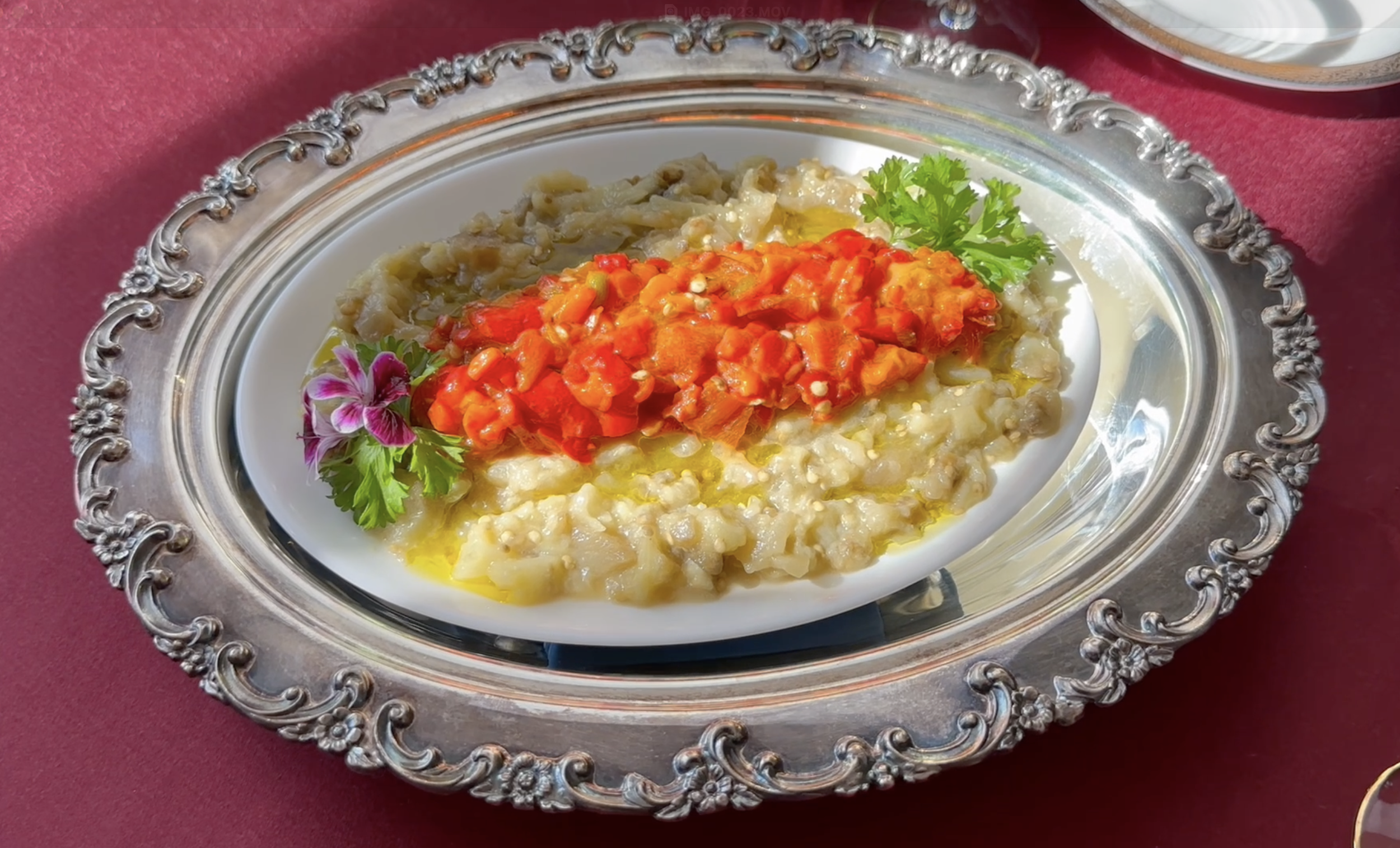
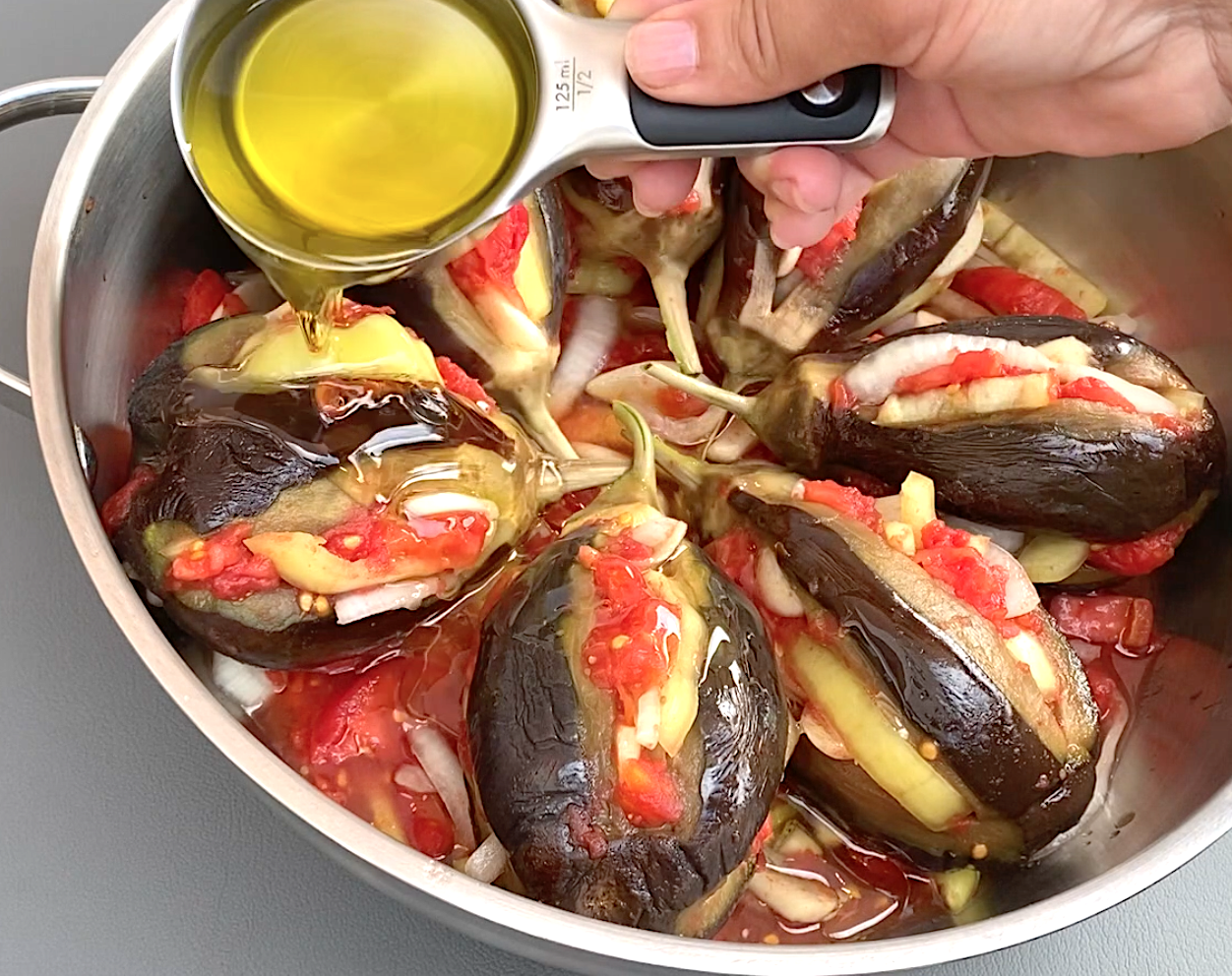
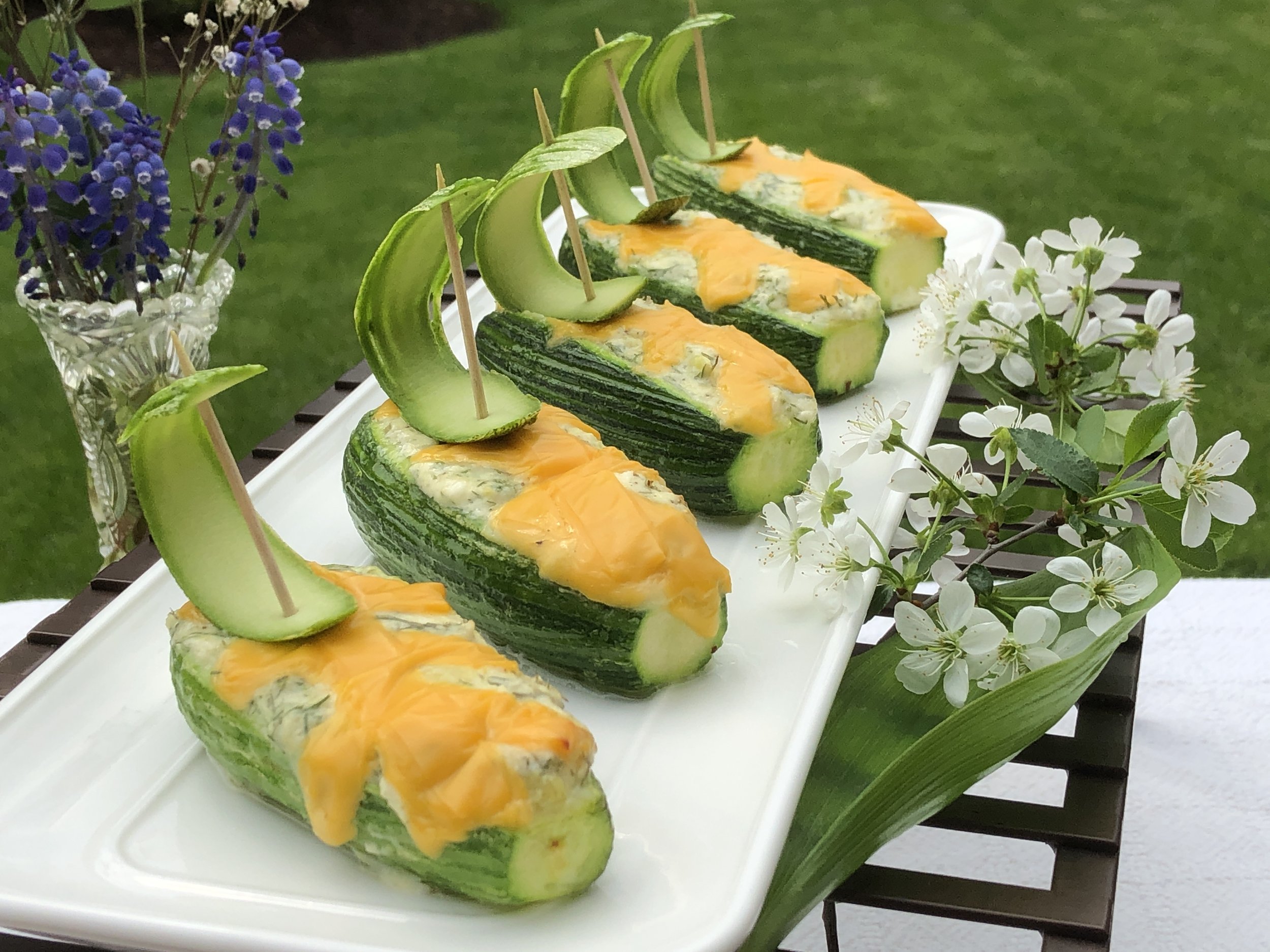
The table comes alive with the soft clink of glasses and the vibrant spread of colorful mezes—olives glistening in their oil, smoky aubergines, and bright bursts of tomato and pepper. Aromas mingle with the warm glow of candlelight, drawing people in as they reach for a plate or pour a glass. Soon, conversation flows, and with each sip of Rakı, the air thickens with laughter and shared stories. It’s a moment where troubles loosen their grip, and joy or solace is found in the company of friends
The Heartbeat of Istanbul: Chilingir Sofrası
Amid Istanbul's vibrant fusion of ancient heritage and modern life, one tradition stands out: the Chilingir Sofrası. This beloved custom, captures the essence of Turkish hospitality, celebrating life, friendship, and the art of conversation.
Unlocking Hearts and Minds
The term “çilingir” (‘chee-leen-geer) translates to “locksmith,” and “sofrası” (‘so-fra-suh) means “table.” Together, they symbolize a gathering where hearts and minds are unlocked, much like a locksmith opening a door. As the evening progresses and the rakı, known as “lion’s milk,” flows, conversations become more open and unfiltered, revealing the true essence of those around the table.
A typical Chilingir sofrasi is a modestly arranged table adorned with an array of meze—small, flavorful dishes that complement the strong, anise-flavored spirit, rakı. These gatherings are not confined to any specific location; they can take place in cozy homes, bustling restaurants, or even by the serene Bosphorus. The setting is always intimate, fostering a sense of closeness among participants.
Participation in a Chilingir sofrasi is open to all. Friends, family, and even acquaintances can join, making it an inclusive gathering that transcends social boundaries. The only prerequisite is a shared appreciation for good food, drink, and conversation.
A Feast of Meze and Rakı
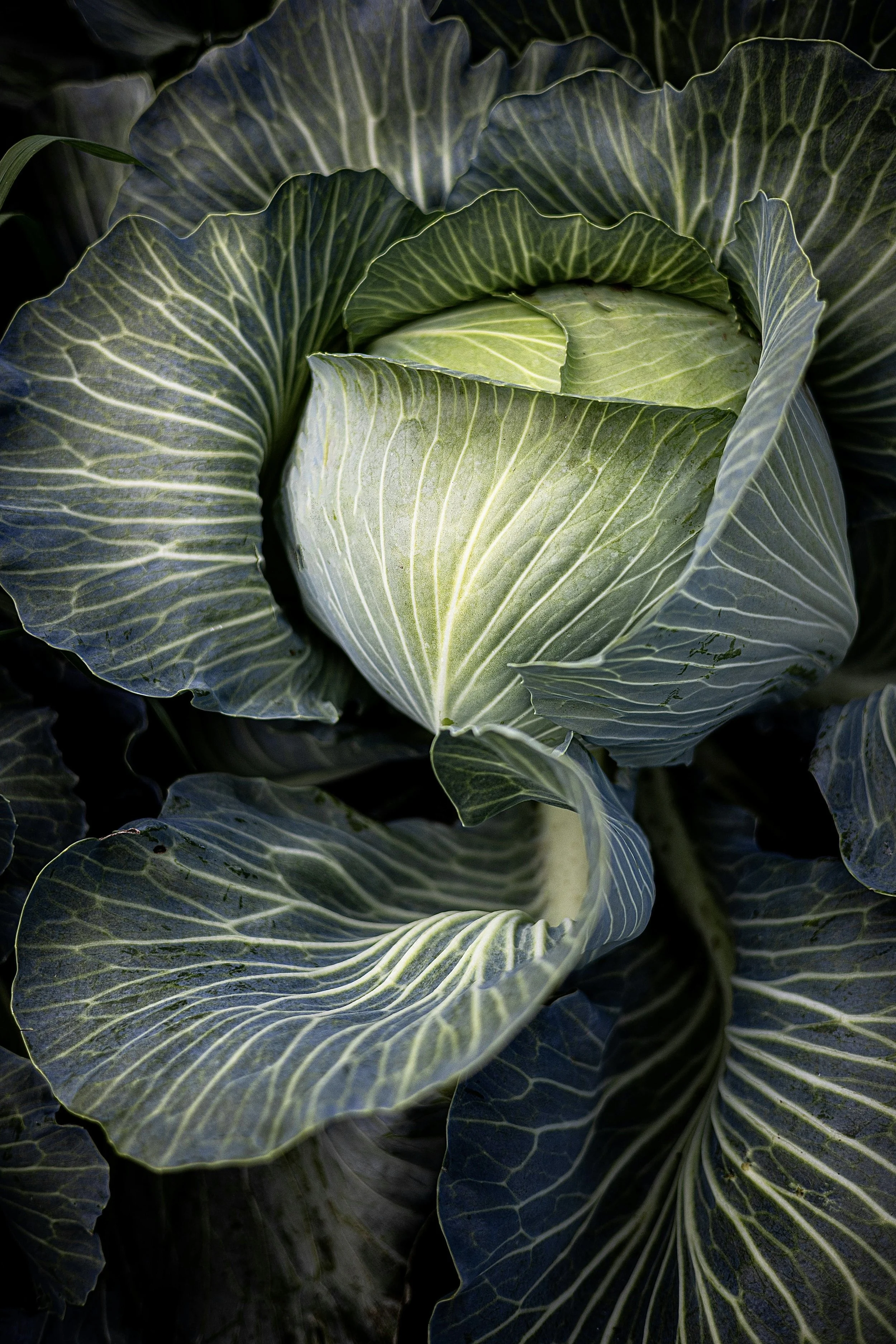
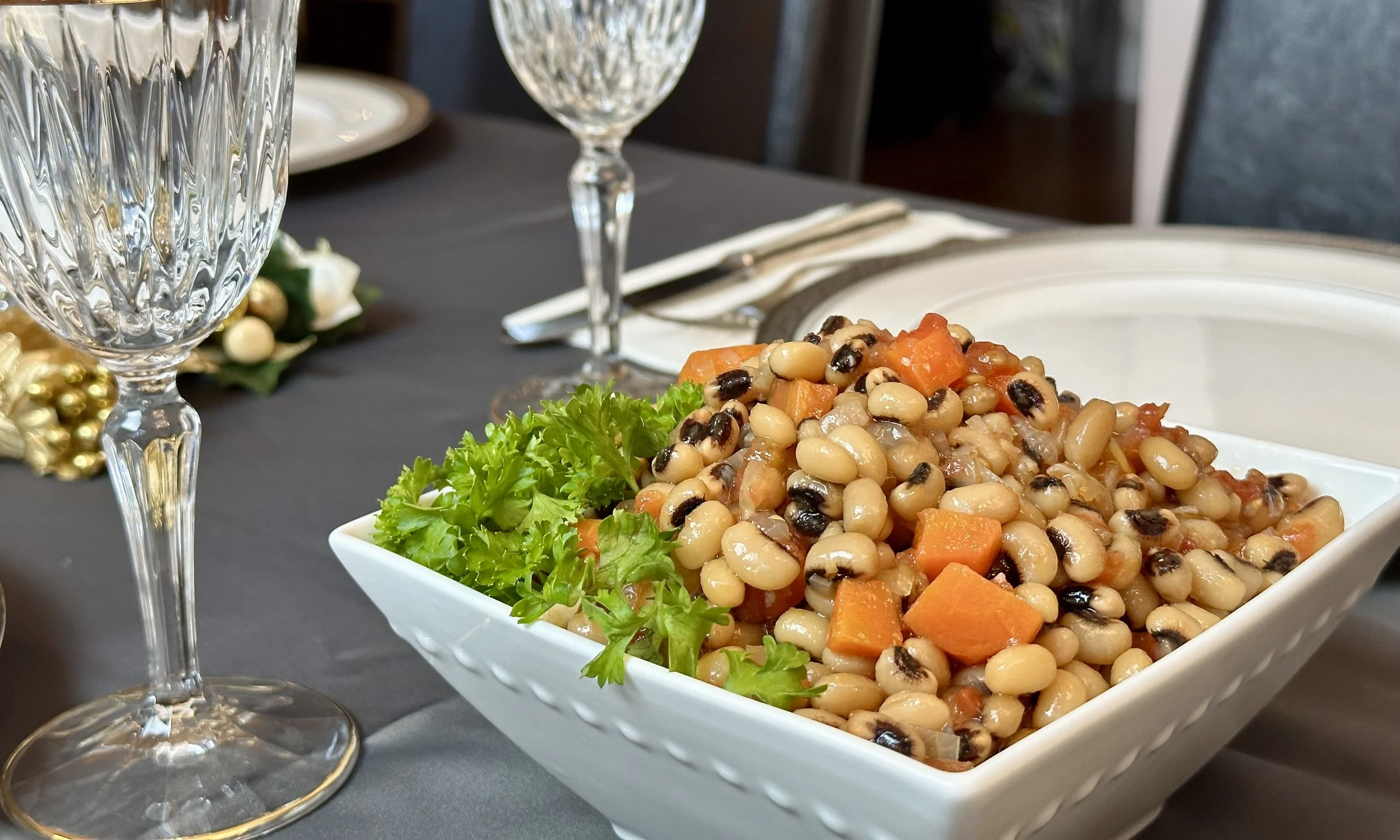
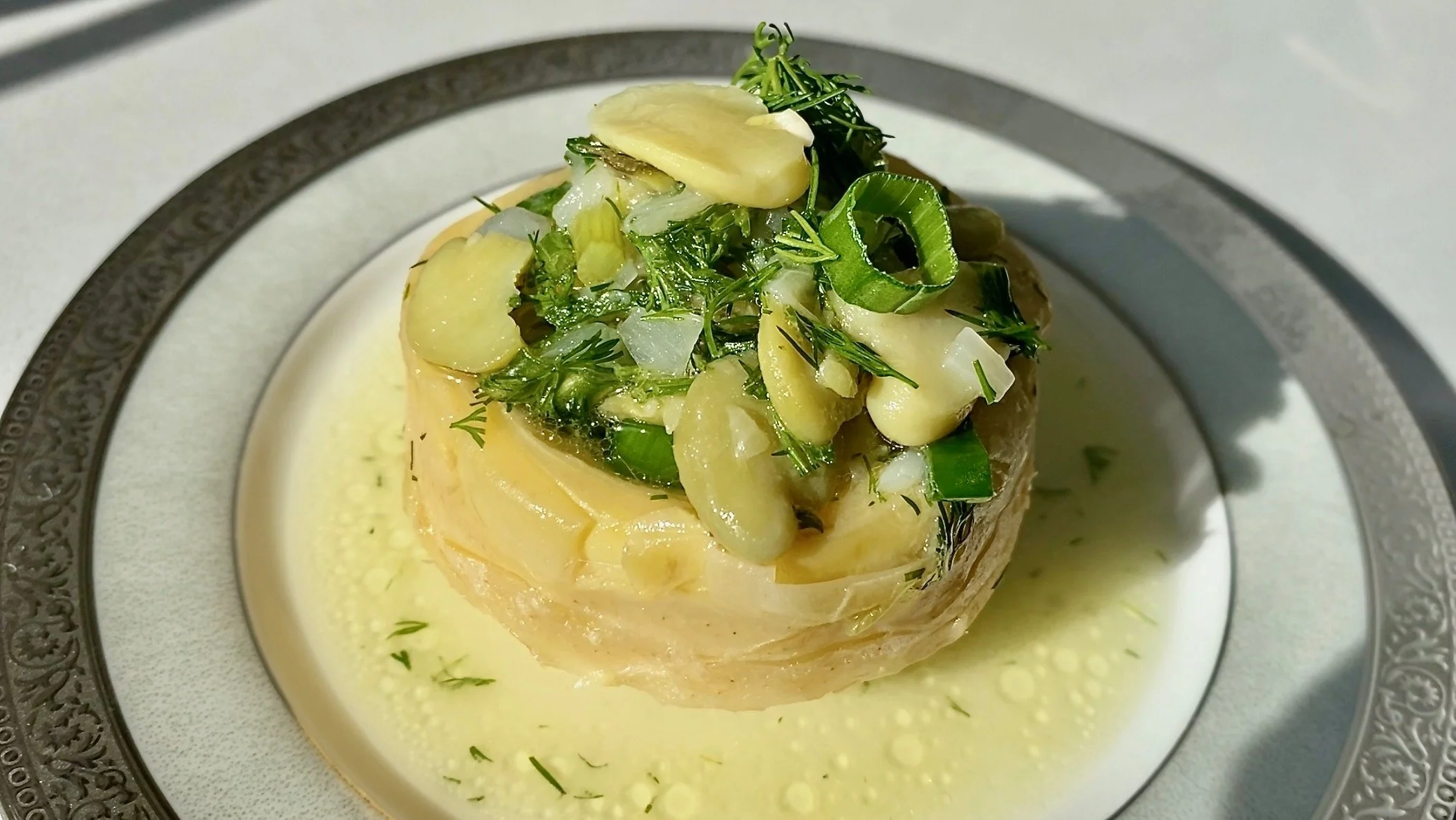
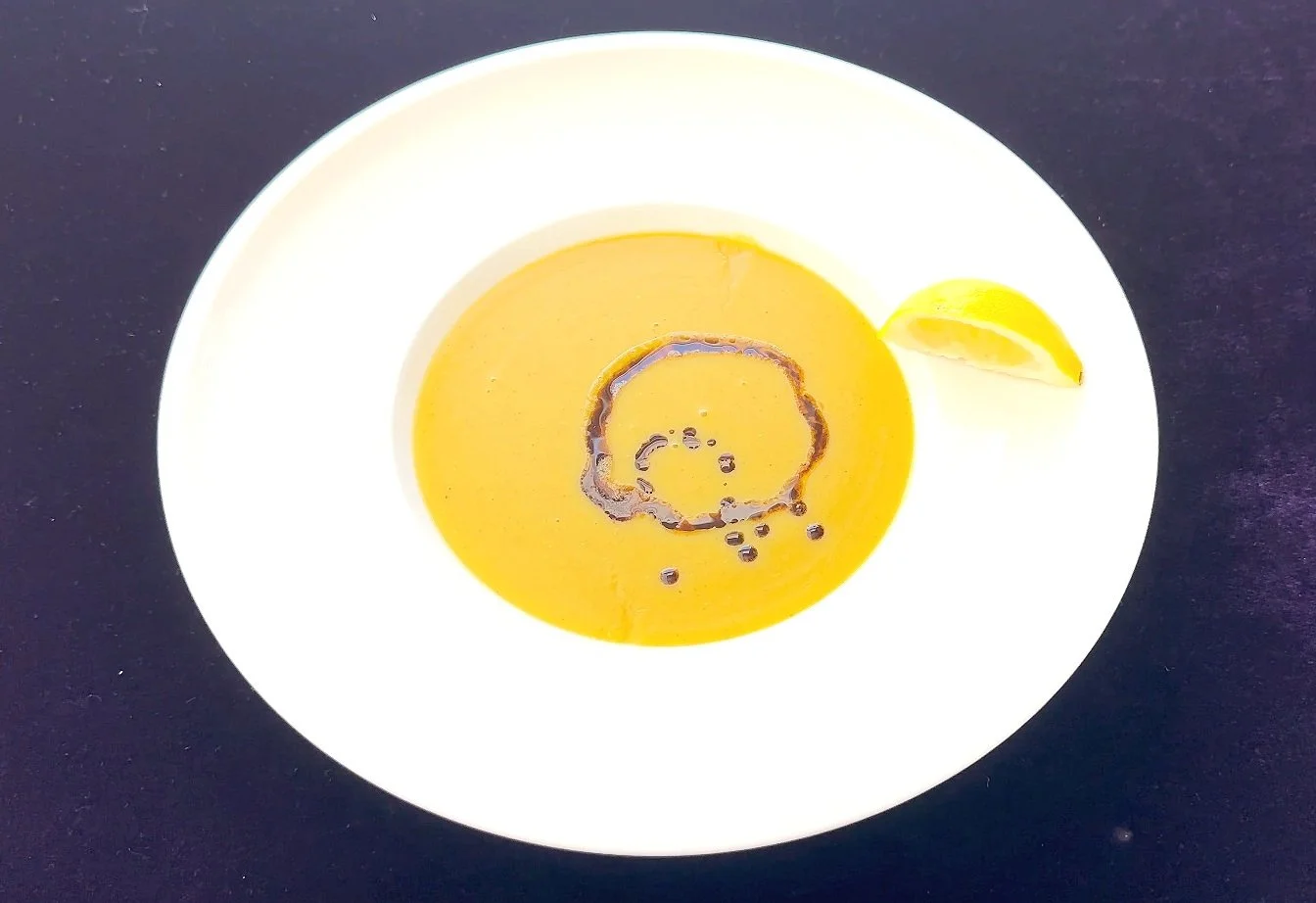
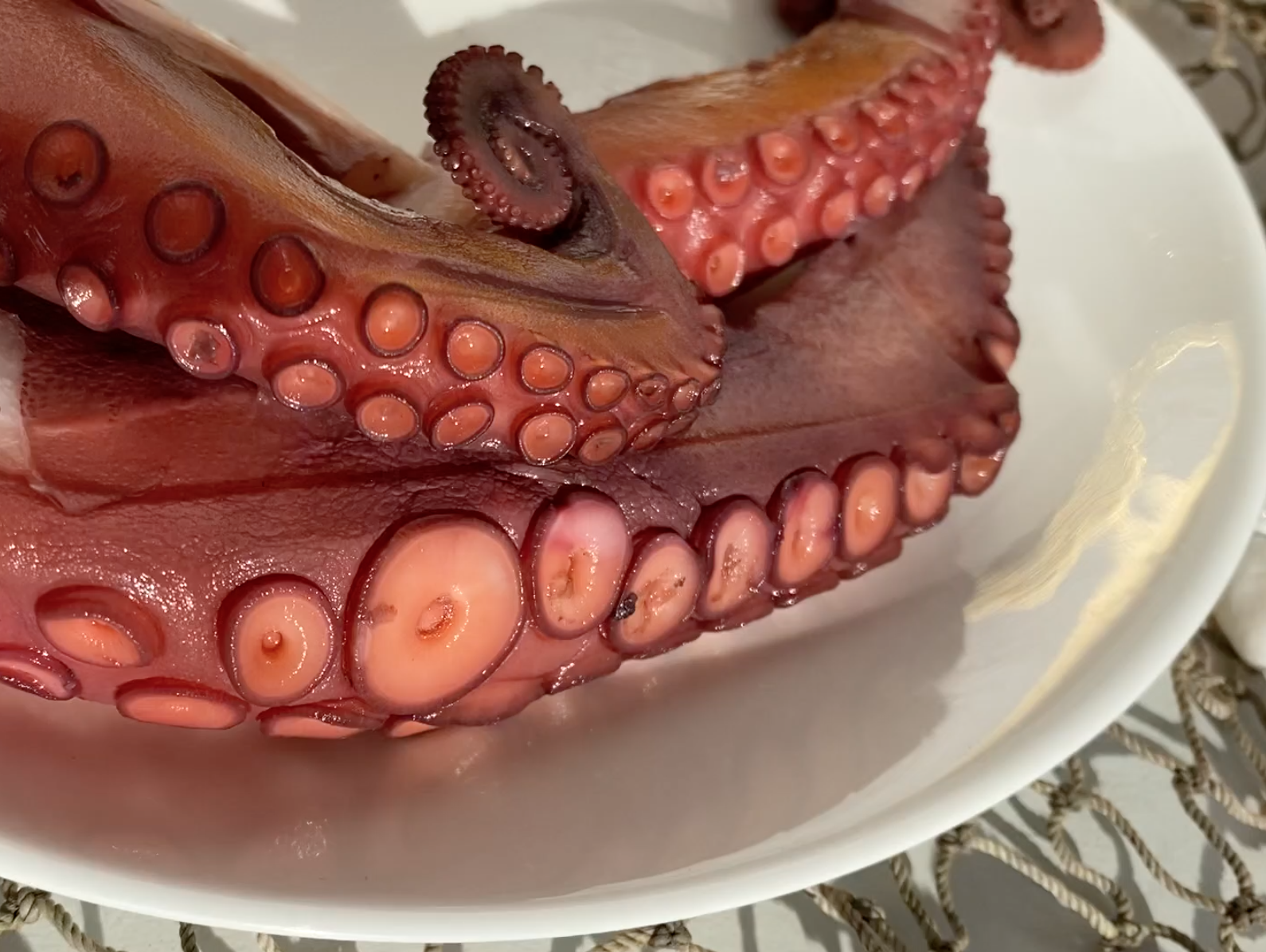
The meze served at a Chilingir sofrasi are as diverse as Turkish cuisine itself. Common dishes include haydari (a yogurt dip with mint and cucumber), hummus, Russian salad, and various seafood delicacies. Each region of Turkey adds its unique touch to the table. In the Aegean and Mediterranean regions, you might find olive oil-based dishes and fresh vegetables, while the Black Sea region offers hamsi (anchovies), corn bread, and cabbage rolls.
Rakı, the star of the evening, is traditionally made from grapes and flavored with anise. It is often referred to as “lion’s milk” due to its milky appearance when mixed with water. The ritual of serving rakı is almost as important as the drink itself. Typically, the youngest person at the table is tasked with pouring the drinks, a tradition that serves as both a sign of respect and an opportunity to practice the art of hosting with the support of more seasoned guests at the table.
Chilingir Sofrası is more than just a culinary experience; it is a psychological and emotional journey. The emotional bonds formed during these gatherings are profound, sometimes even lasting a lifetime.
An Old Tradition in Modern Istanbul
This centuries-old practice, with possible roots in Ottoman and Mongolian feasts, continues to thrive in modern Istanbul. The Chilingir Sofrası remains a gathering for people to share meze, sip rakı, and savor meaningful conversations. While the act of sharing food and drink fosters a sense of belonging and community, these gatherings are really about slowing down, savoring the moment, and appreciating the company of those around you. Conversations at the table often explore personal stories, life lessons, and shared memories, weaving together meaningful human connections in an increasingly digital world.
In Istanbul, a city that never sleeps, Chilingir Sofrası offers a moment of respite. It is a chance to pause, reflect, and reconnect with the people who matter most. Whether it is a weekly ritual or reserved for special occasions, the Chilingir Sofrası remains a beloved tradition that embodies the spirit of Turkish hospitality and the joy of shared experiences.
So, the next time you find yourself in Istanbul, seek out a Chilingir Sofrası. Pull up a chair, pour yourself a glass of rakı, and let the evening unfold. You will leave with a full heart, a satisfied palate, and memories to cherish for a lifetime.
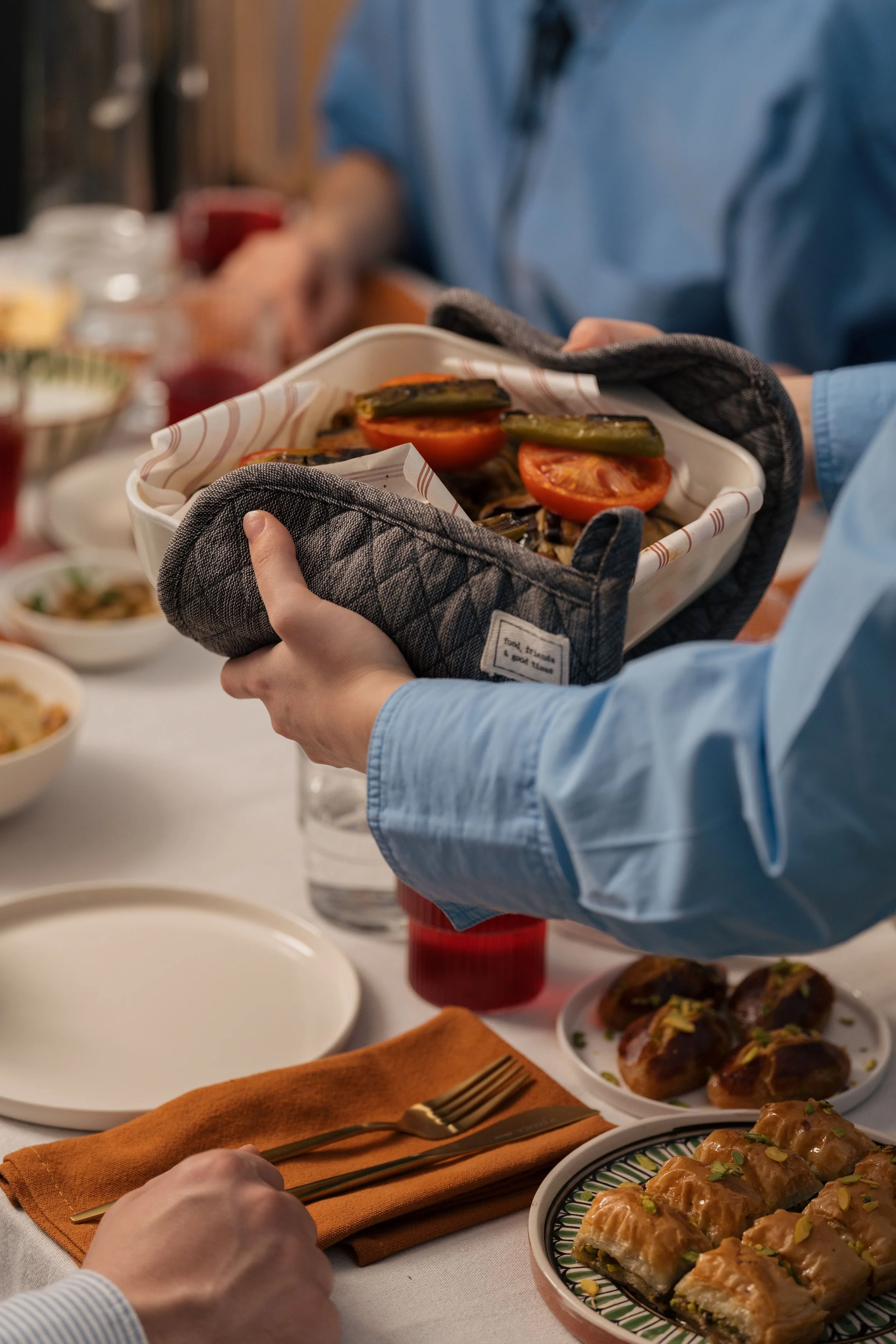
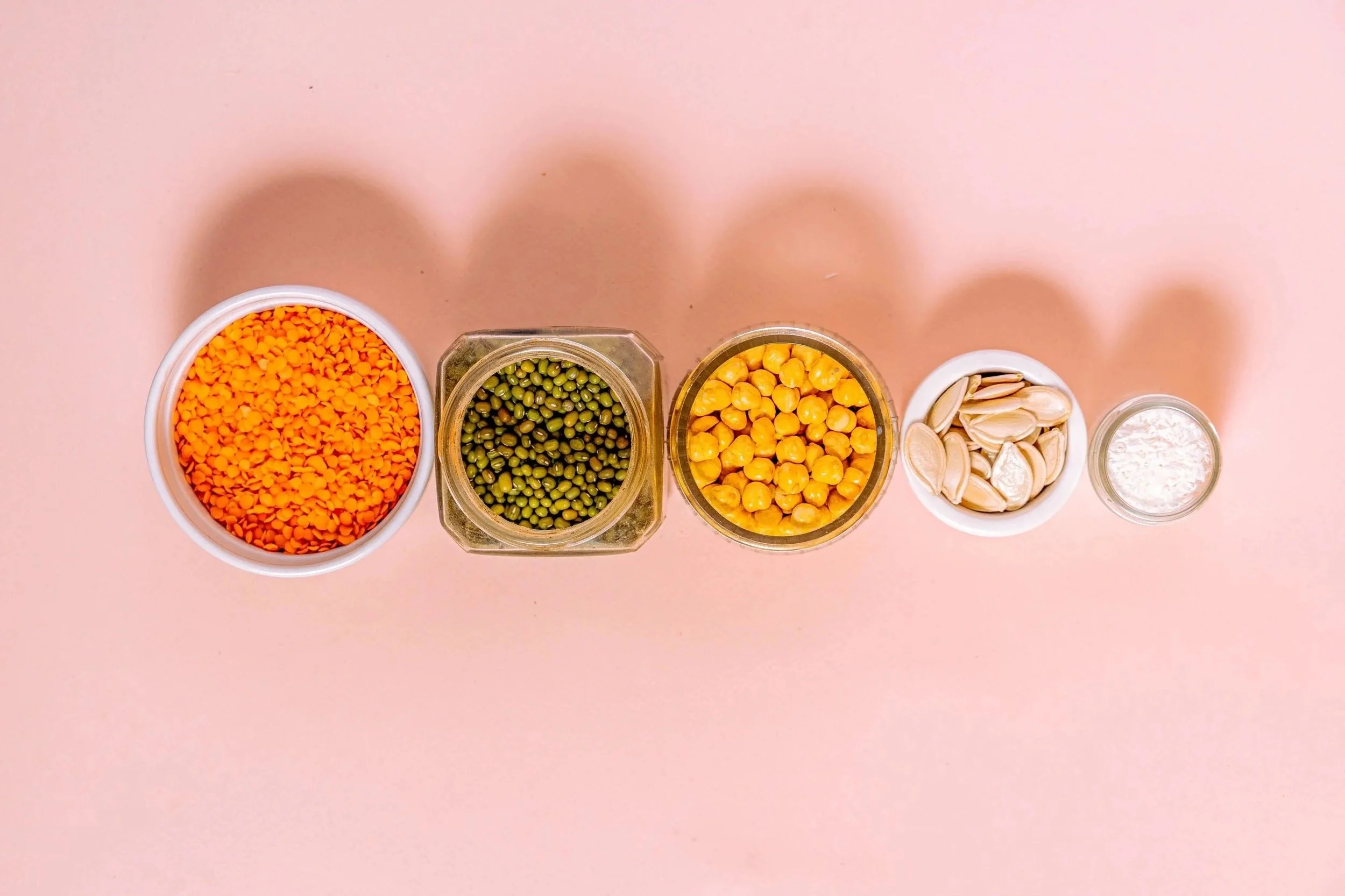













I’m less interested in a home that looks beautiful than in one that works beautifully. Real domestic luxury is having enough knowledge of ingredients, seasons, tradition and your own household that you need fewer instructions and can make good decisions with what you already have. Fairies’ Cuisine is about passing on that kind of practical fluency so beauty becomes lived-in, convenience remains a choice, and the kitchen gradually feels less like a problem to solve and more like a place that welcomes you.