Royal Green Peas | Köfteli Bezelye
ROYAL GREEN PEAS: HOW TO COOK GREEN PEAS WITH MEATBALLS
Note: By clicking on this video, you allow third parties (YouTube and Google) to access your data. Visit our privacy policy for more info.
A Celebration Pot of Peas; A Family Classic
Green peas are spring’s first herald.
They arrive with tender skins, still carrying the coolness of the soil, asking to be cooked simply; often beside fresh fava beans, young onions, dill, and parsley, when the season is kind and brief. Those early spring dishes feel almost ceremonial, as if nature is reminding the body how to renew itself.
This recipe belongs to a different moment in the year.
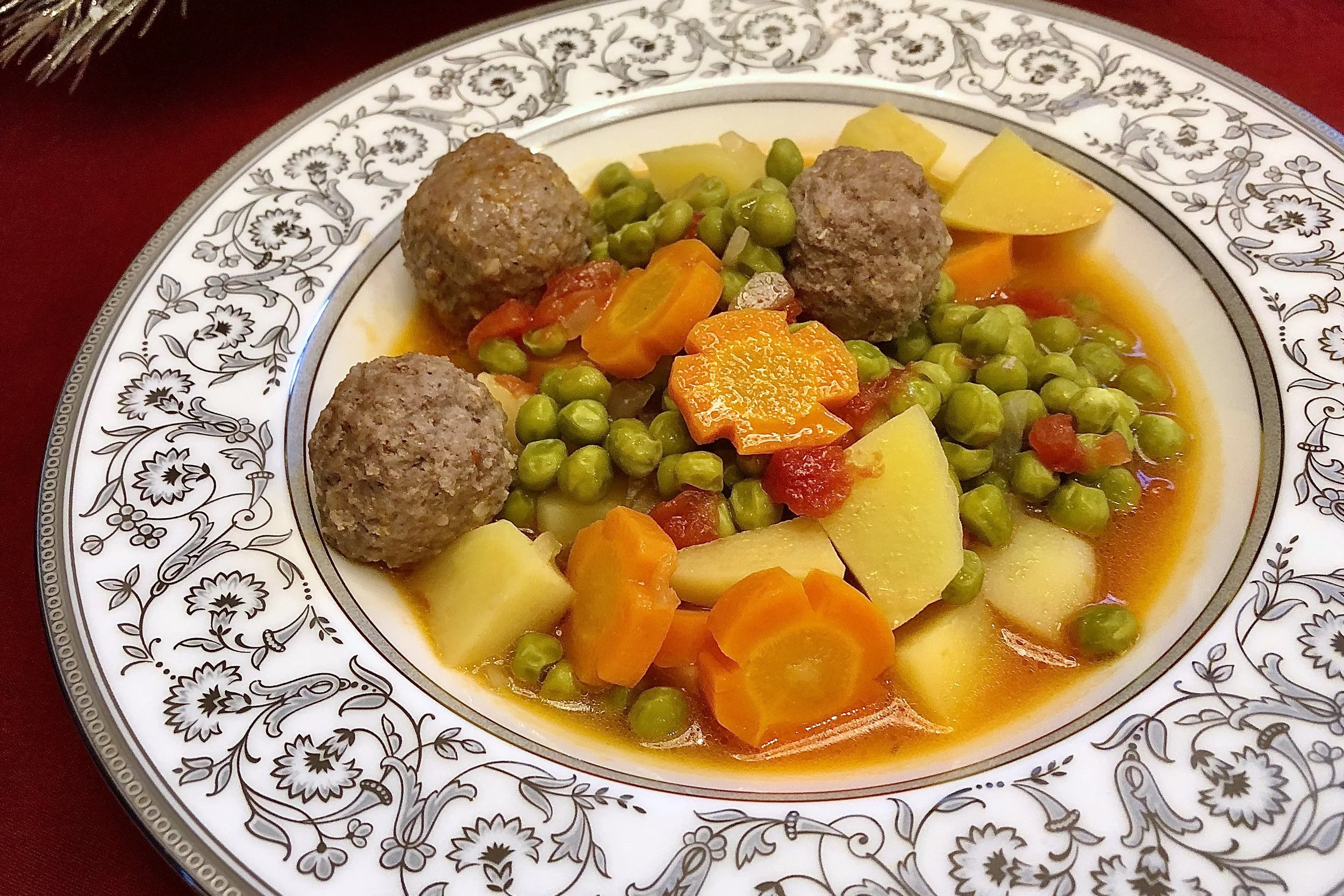
Royal Green Peas is the version prepared when peas are no longer fleeting, when they can be found in both summer and winter, waiting to be paired with grounding root vegetables and soft, round meatballs. It is a dish children fall in love with easily: bright green peas, small golden potatoes, carrot flowers blooming quietly in the pot, and meatballs that soften into the sauce rather than compete with it.
There is something undeniably festive about its colours.
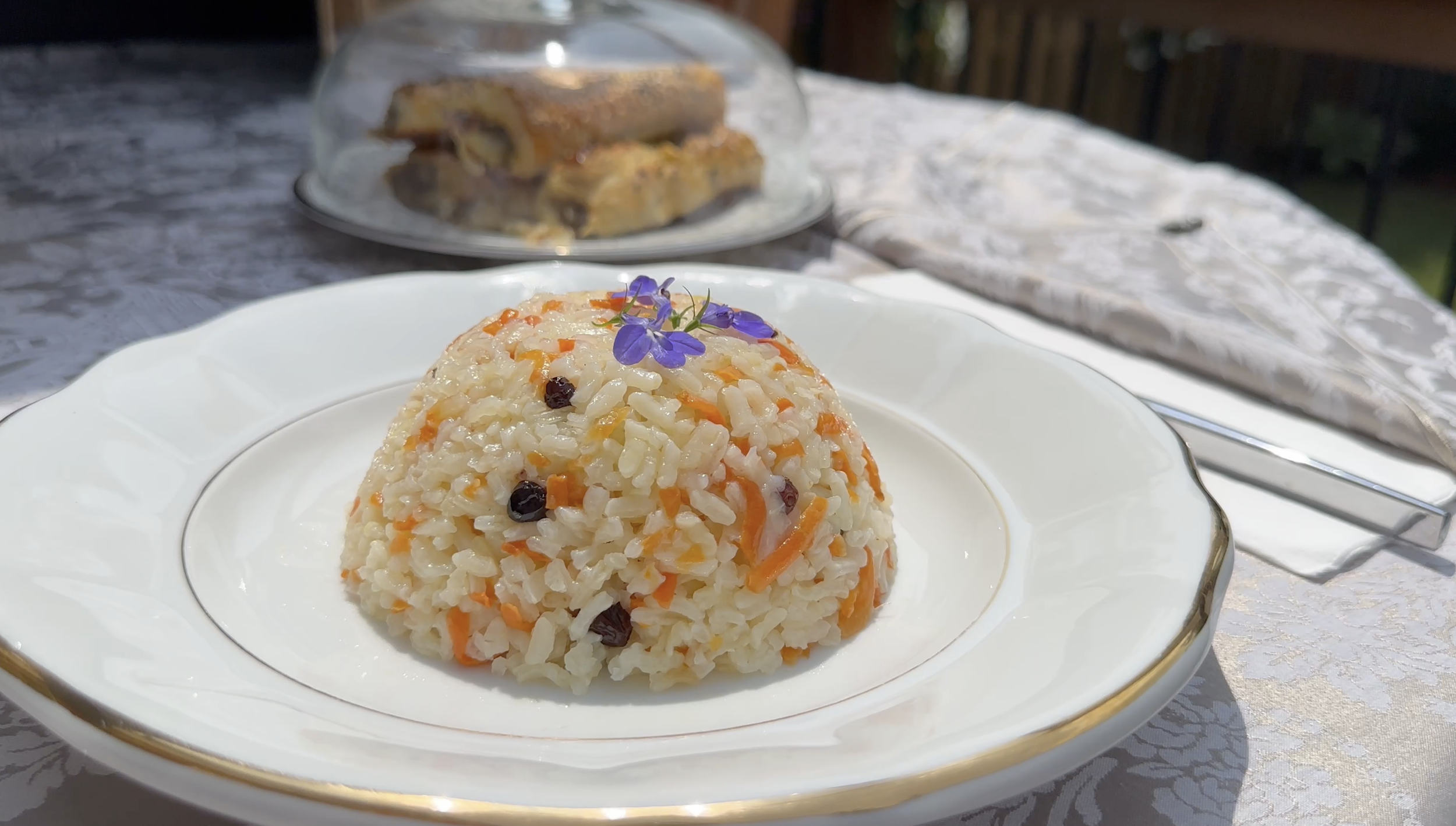
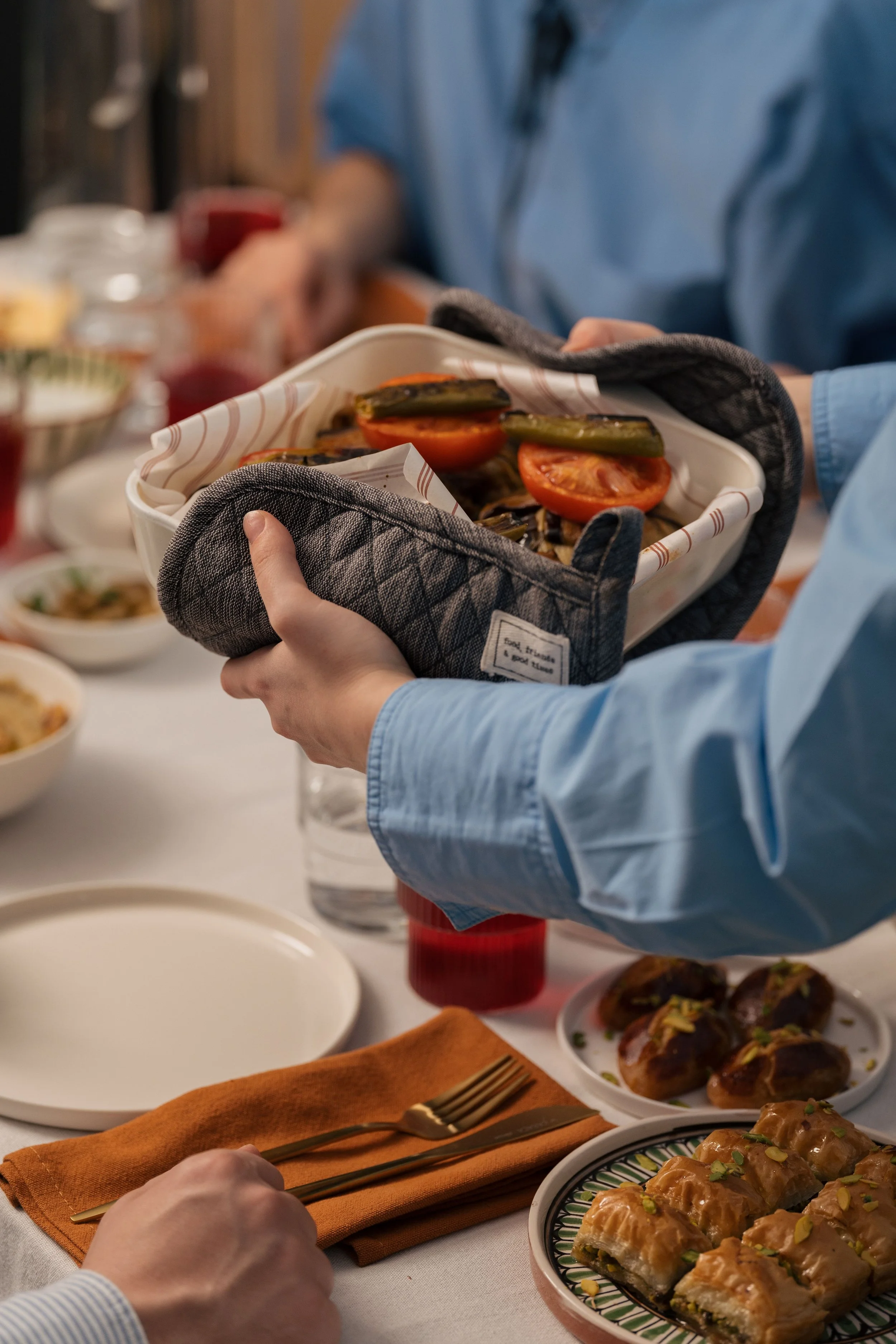
Orange petals, emerald peas, pale potatoes, and gentle tomatoes come together like a painted tablecloth. Served with a bowl of fluffy plain rice and a simple hot soup, it becomes a small invitation menu; effortless, generous, and comforting.
In winter, this dish truly shines when paired with a bowl of ice-cold apricot compote on the side. The contrast is striking and deeply satisfying. Sweetness meets warmth. Colour meets calm.
This is not just a pea dish.
It is a reminder that even the most familiar ingredients can be dressed for a quiet celebration.
Ingredients
For the Meatballs:
500 g ground beef
1 shallot, grated
3 garlic cloves, minced
2 tsp salt
1 tsp ground black pepper
For the Dish:
750 g green peas (fresh or frozen)
400 g tomatoes, diced
1 small onion, finely diced
1 carrot
2 potatoes
4 tbsp olive oil
1 tbsp salt
2 cups water
Directions
PREPARE THE MEATBALLS:
Place the ground beef in a bowl. Add grated shallot, minced garlic, salt, and black pepper.
Knead gently until well combined.
Shape into walnut-sized meatballs.
Cover and refrigerate while preparing the vegetables.
PREPARE THE VEGETABLES:
Fill a medium bowl halfway with water to prevent discoloration.
Peel the carrot and cut into manageable lengths (about 10 cm).
Make four vertical cuts along each piece, then slice into 0.5 cm rounds to create flower shapes.
Peel the potatoes and cut into 1 cm cubes. Place both carrot and potato pieces in the water.
Peel and finely dice the onion.
COOK THE DISH:
Heat a pot over medium-high heat and add olive oil.
Sauté the onion for about 3 minutes until translucent.
Add diced tomatoes and cook for another 5 minutes, allowing them to soften.
Add green peas, drained vegetables, and 2 cups of water.
Cover and cook for 25–30 minutes, until vegetables begin to soften.
Gently add the meatballs one by one, keeping their shape intact.
Lower the heat, cover, and simmer for 15–20 minutes, until meatballs are fully cooked.
Add salt, stir gently, and simmer for 5 more minutes.
Turn off the heat and let rest for 5–10 minutes before serving.
[Notes from the Kitchen]
Carrot flowers are optional but highly recommended: they turn a simple dish into a visual celebration.
Frozen Italian meatballs can be used for faster preparation
Fresh peas offer a brighter flavour, but frozen peas work beautifully year-round.
This dish improves slightly after resting, allowing flavours to settle and soften.
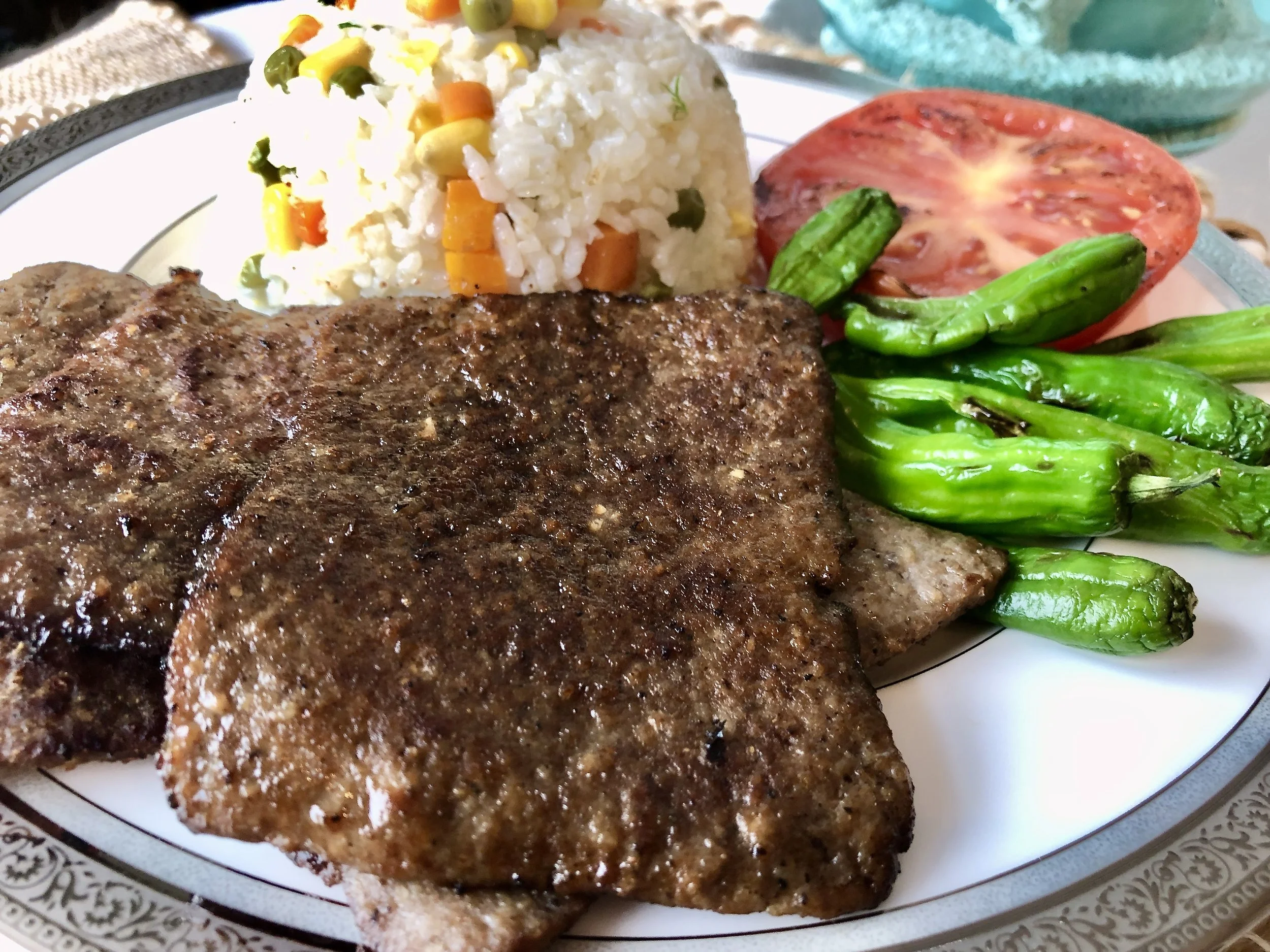
Traditionally served with plain rice and soup; in winter, a cold fruit compote creates a stunning balance.